
SUPERMARINE SPITFIRE Mk. I
TAMIYA 61119
SCALE 1/48
.
;
The Supermarine Spitfire Mk. I stands as one of the most iconic fighter aircraft in aviation history. Designed by the brilliant Reginald J. Mitchell and developed by Supermarine (a division of Vickers), this elegant single-seat interceptor entered RAF service in August 1938, just in time to play a legendary role in defending Britain during the early years of World War II.
Powered by a Rolls-Royce Merlin II or III V-12 engine producing approximately 1,030 horsepower, the Mk. I achieved a maximum speed of around 360 mph at 19,000 feet and a service ceiling exceeding 34,000 feet. Its most distinctive feature was the innovative elliptical wing, which provided exceptional maneuverability, high lift, and the ability to house eight Browning .303 machine guns while maintaining a thin airfoil for superior high-altitude performance. The sleek all-metal stressed-skin construction, retractable undercarriage, and bubble canopy gave the Spitfire a graceful, almost delicate appearance that belied its deadly effectiveness. During the Battle of Britain in 1940, the Spitfire Mk. I - though outnumbered by the more numerous Hawker Hurricane - captured the public imagination with its superior speed, climb rate, and turning ability against the Luftwaffe’s Messerschmitt Bf 109. Pilots praised its harmonious controls and ability to outmaneuver adversaries in dogfights, while its sleek profile became a symbol of British defiance and resilience.
Early Mk. Is evolved rapidly with added armor plating, a bulletproof windscreen, and constant propeller refinements. Though it served as a frontline fighter for only about 18 months before more advanced marks took over, the Spitfire Mk. I laid the foundation for over 20,000 Spitfires built in numerous variants. Its blend of beauty, performance, and combat prowess ensures its enduring status as a true aviation masterpiece
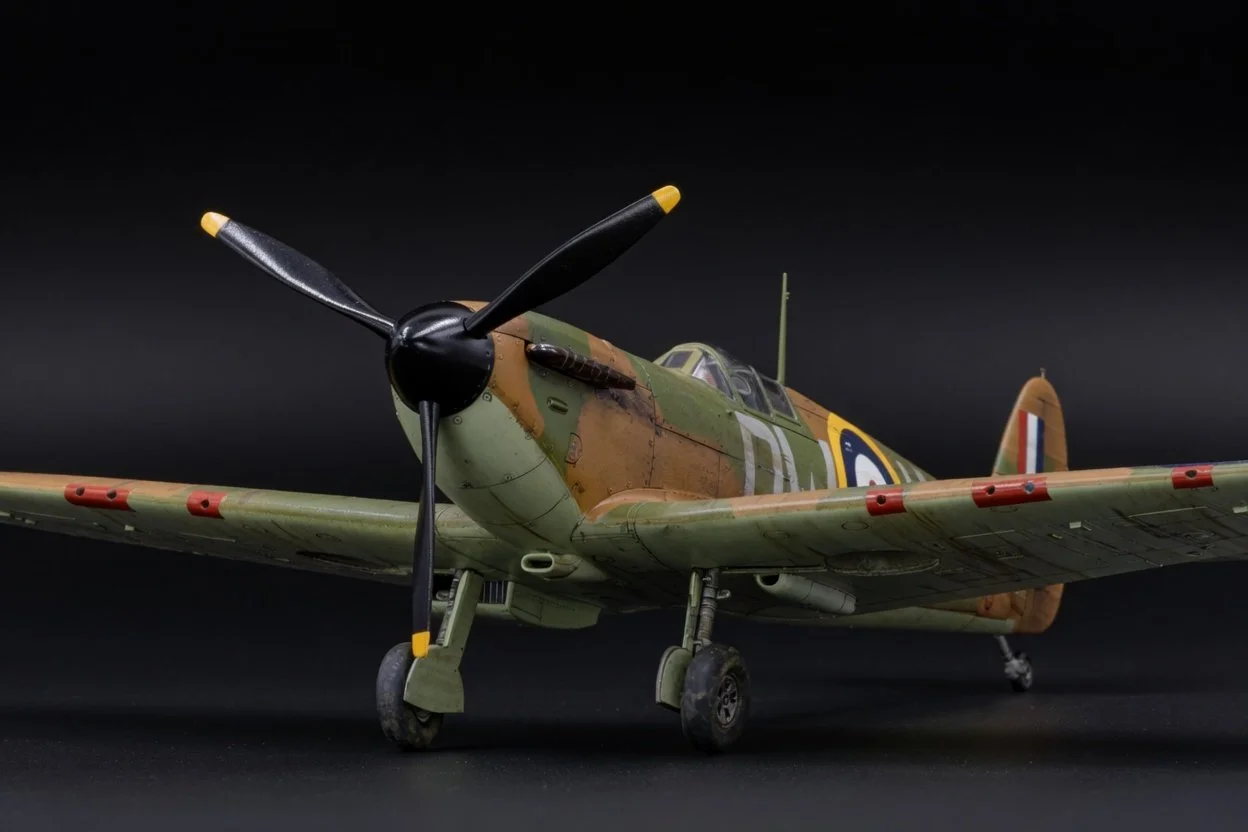
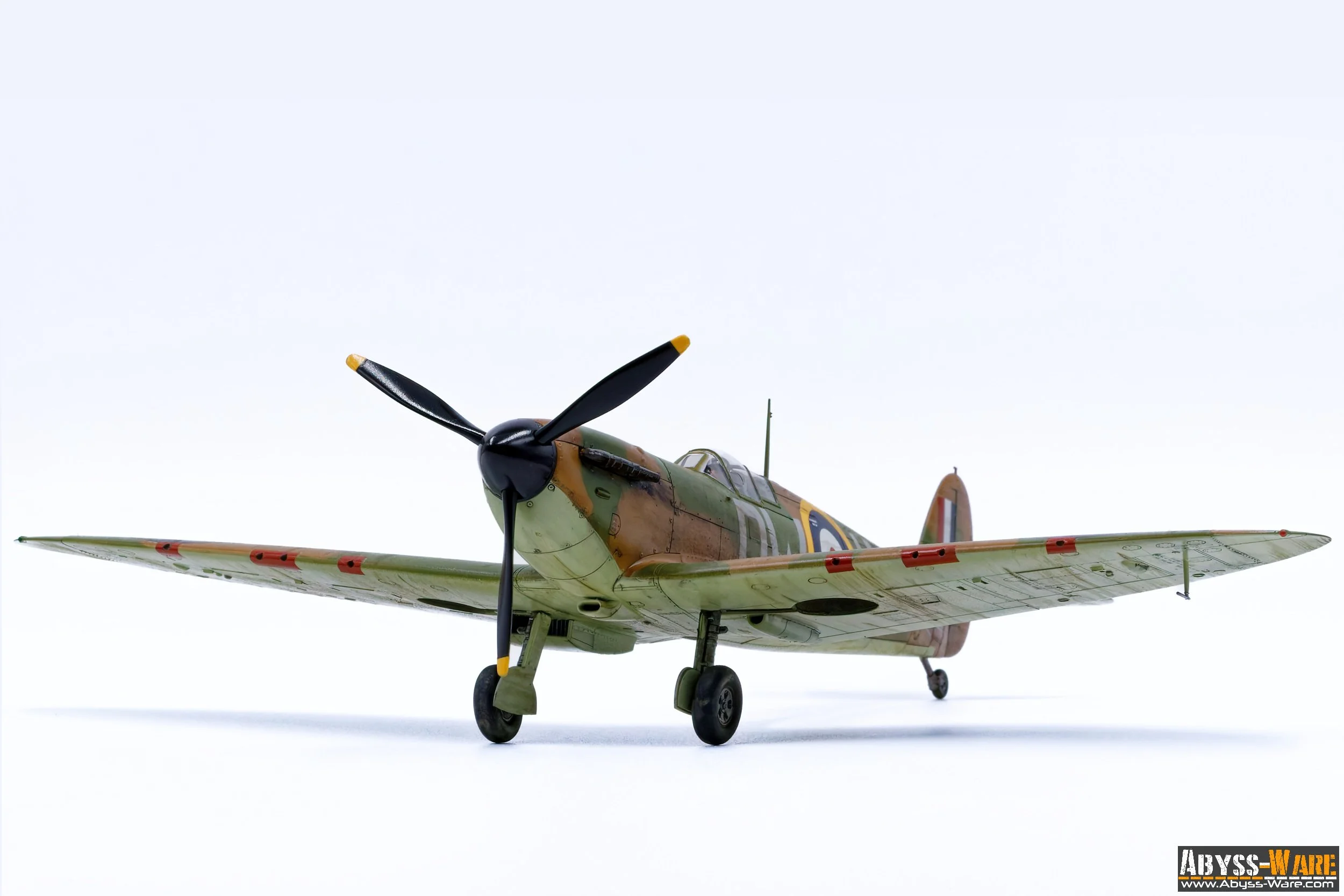
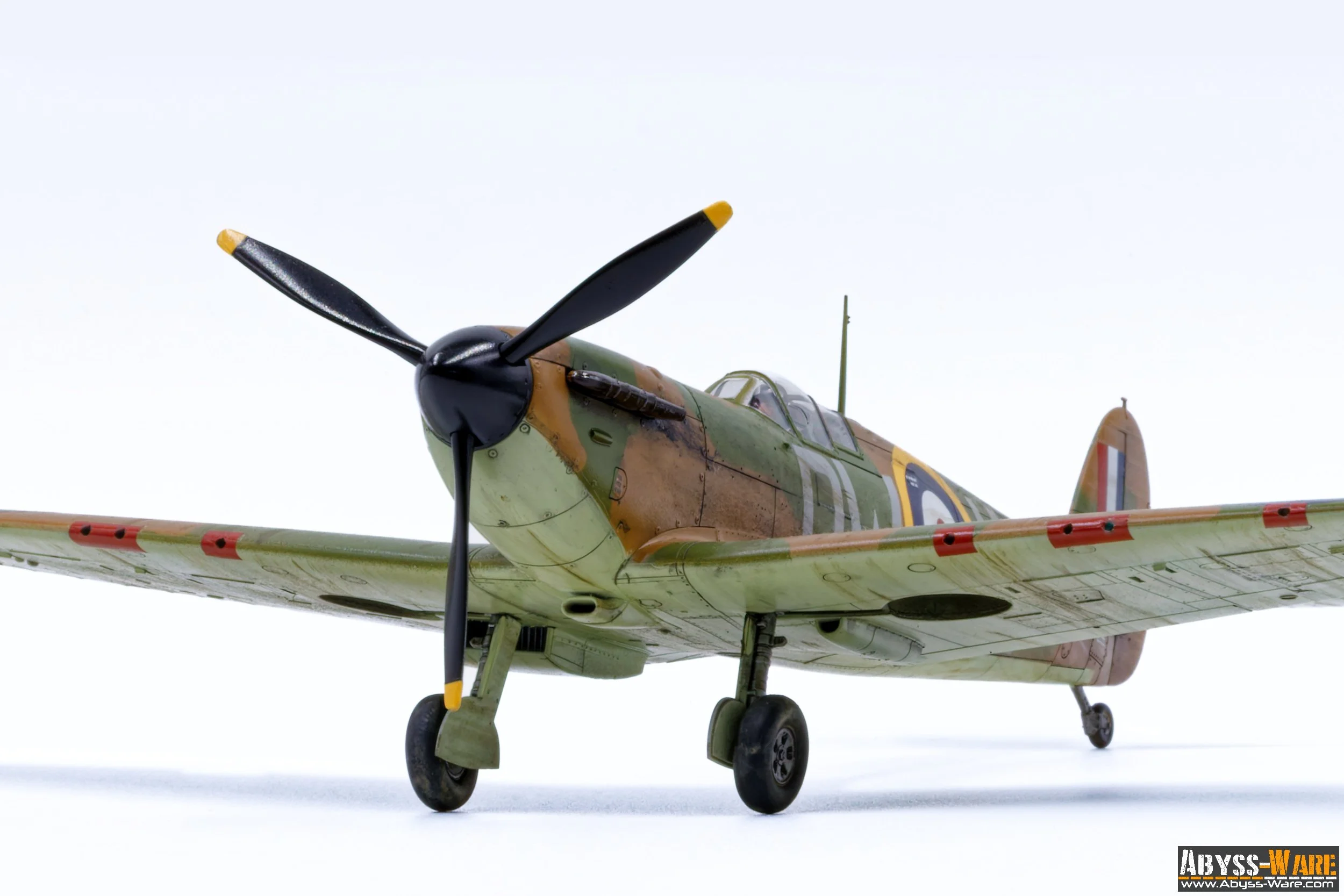
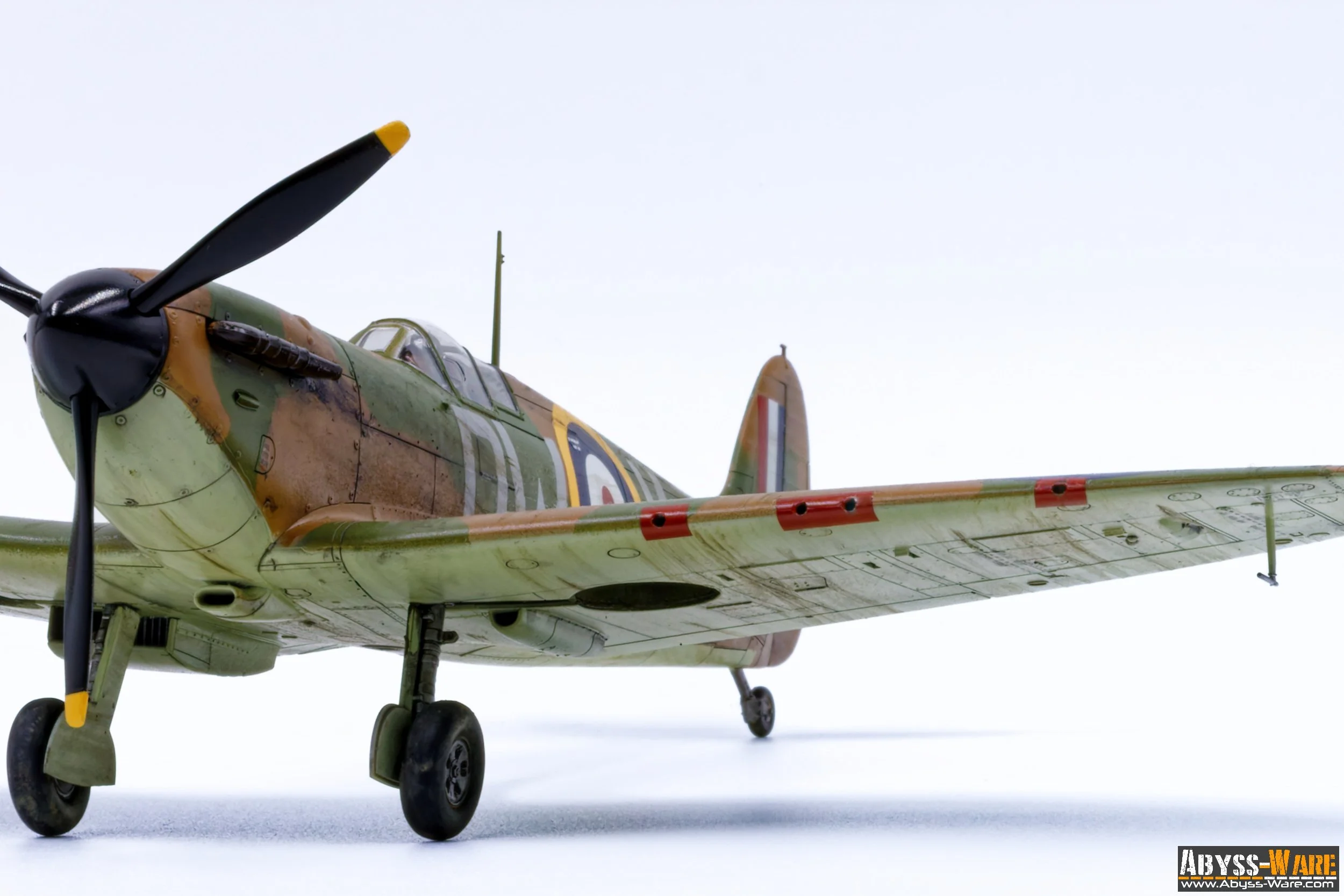
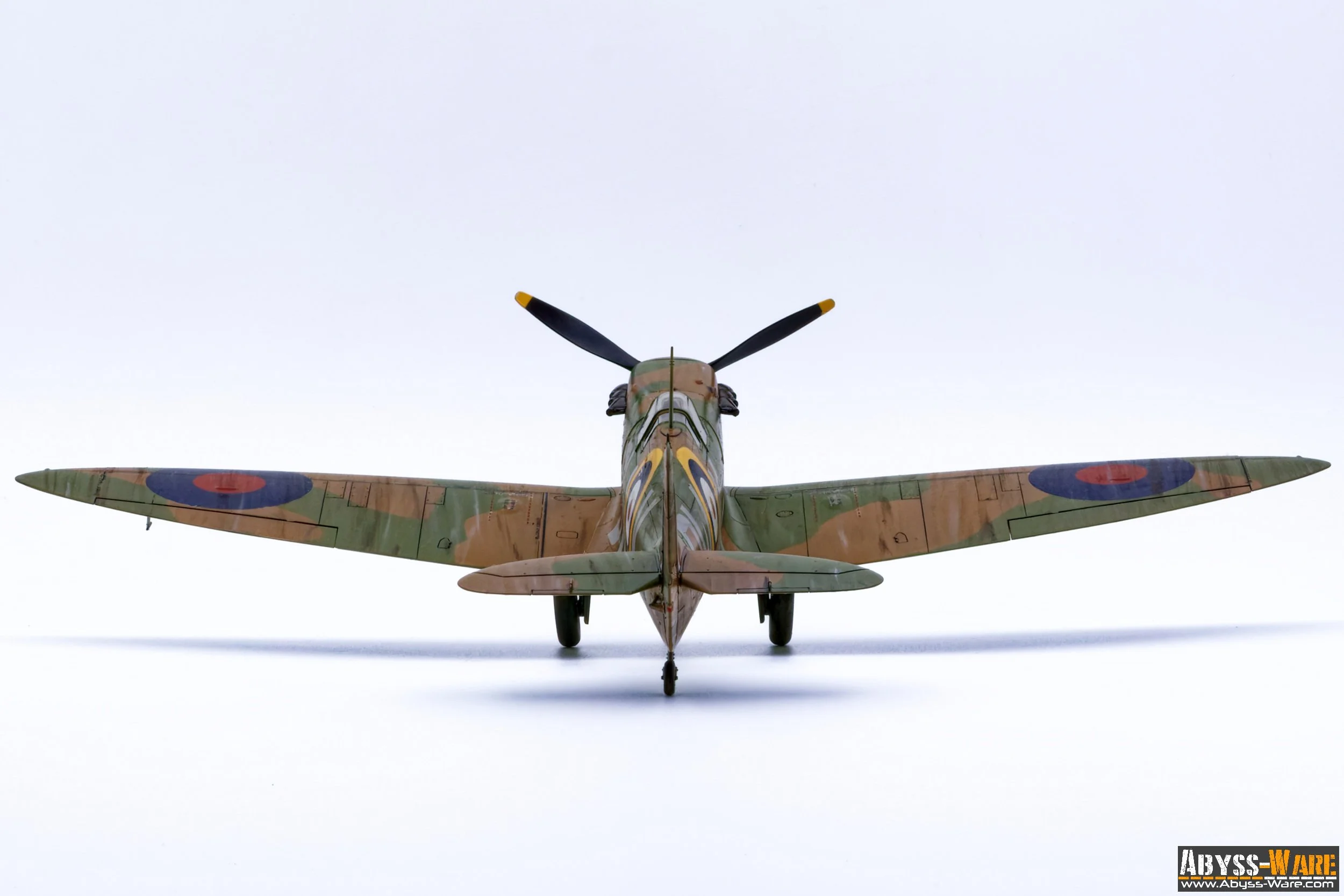
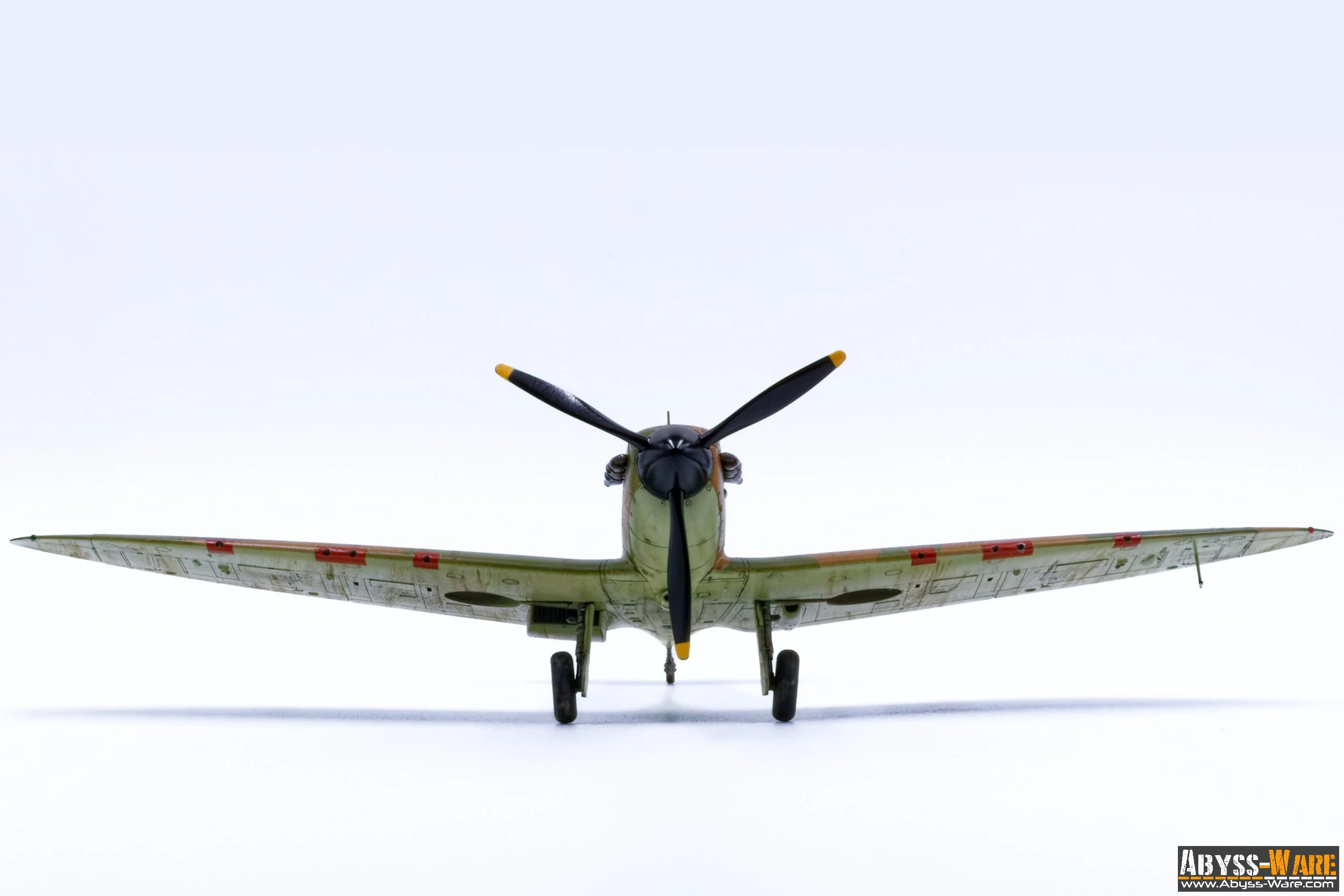
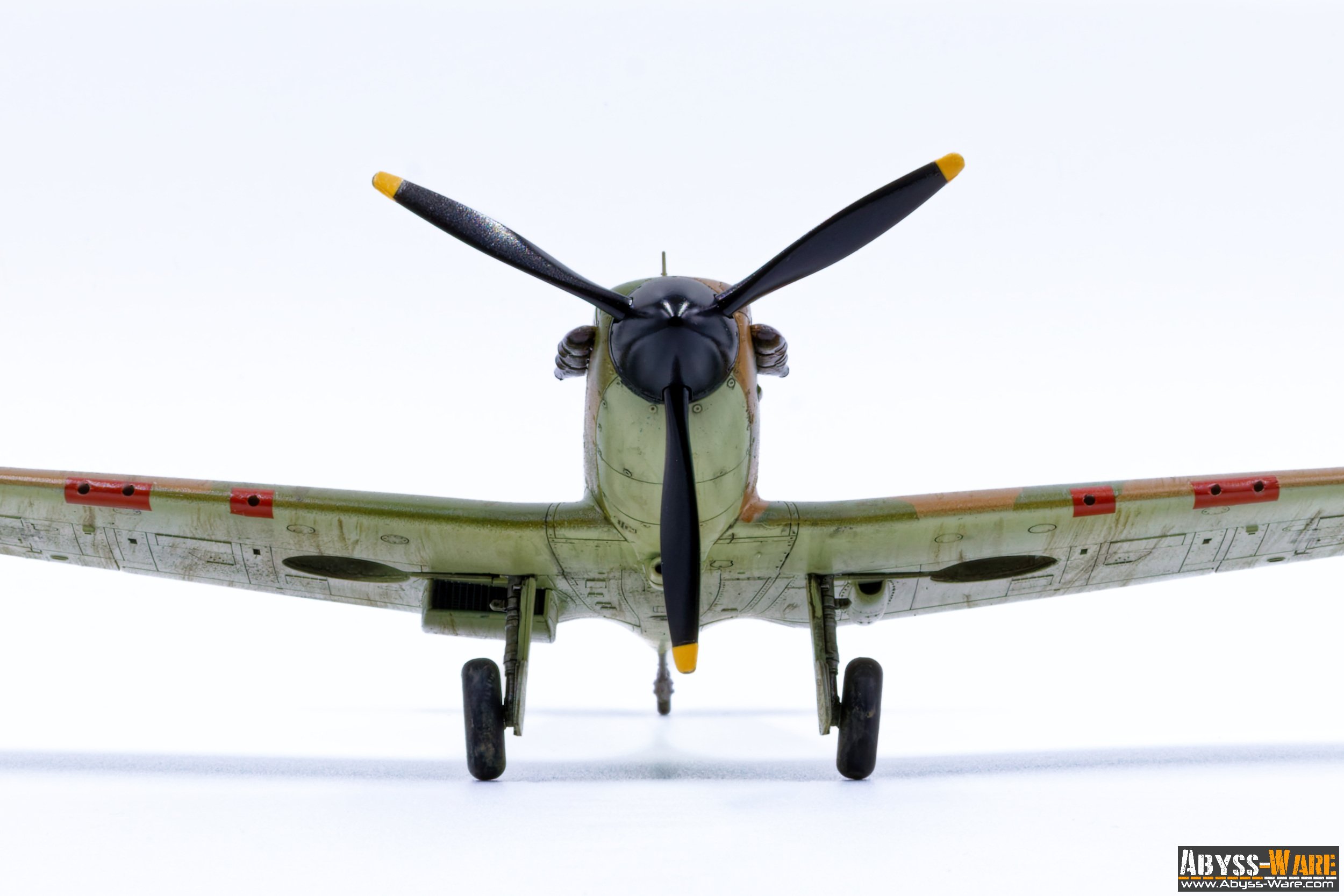
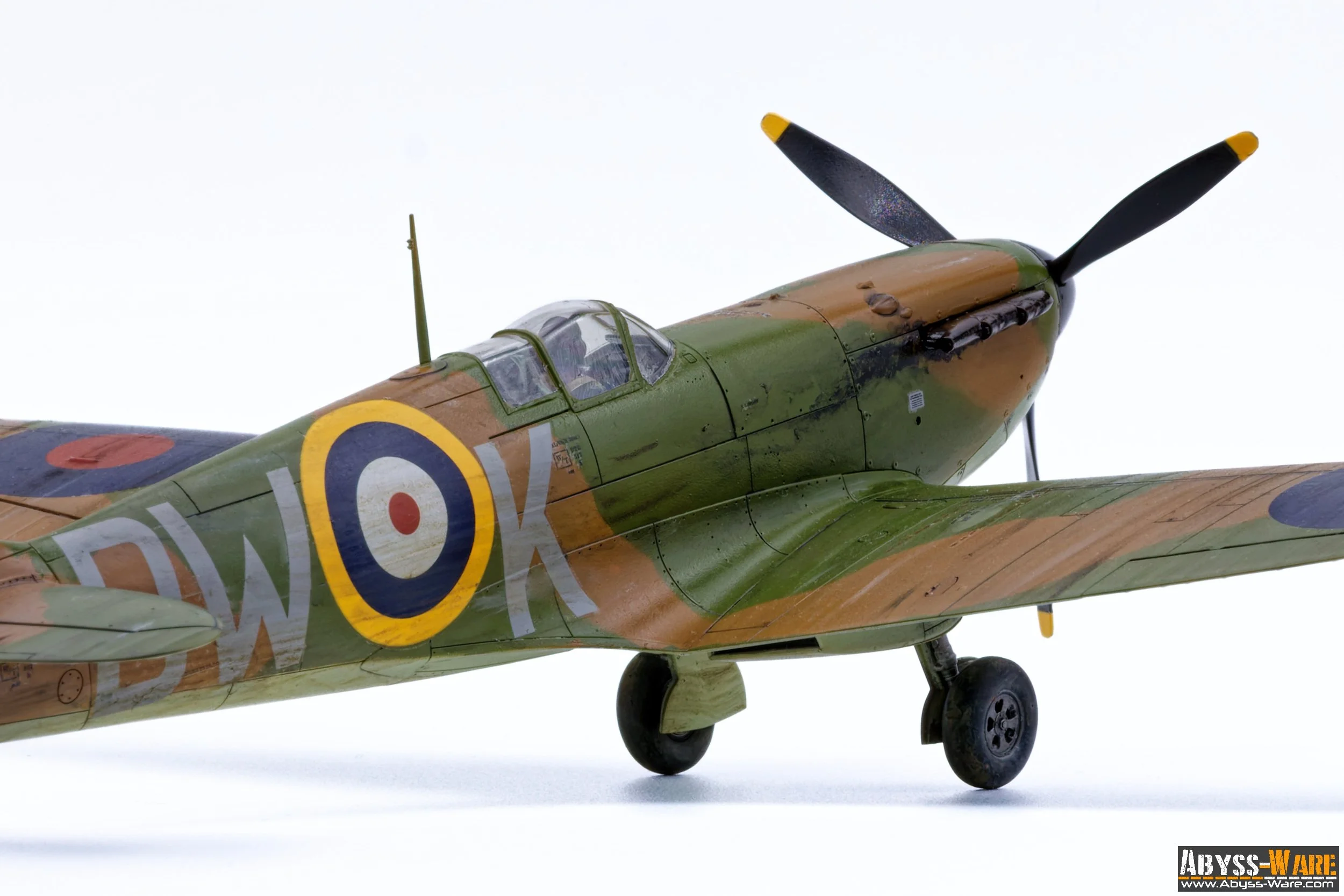
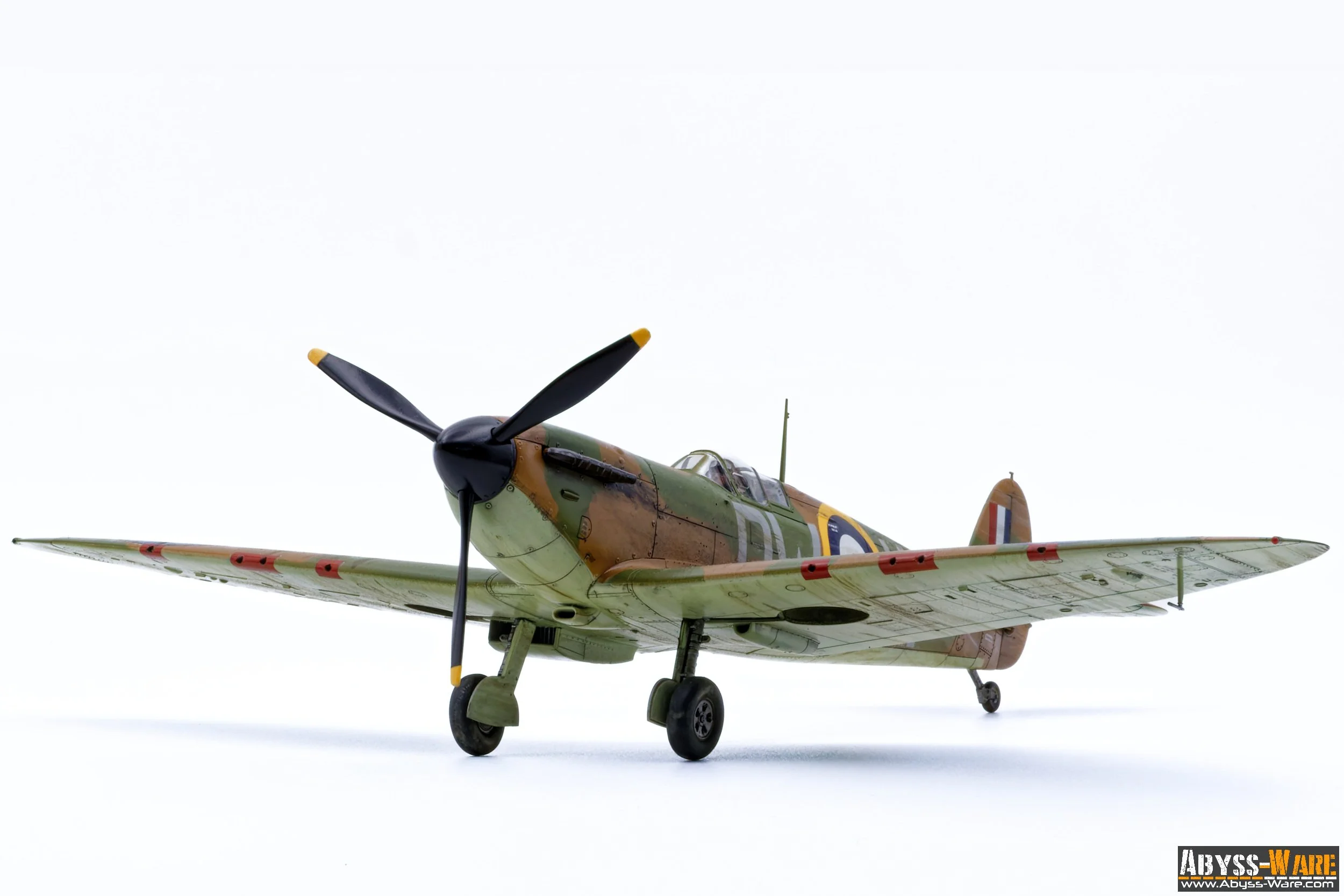
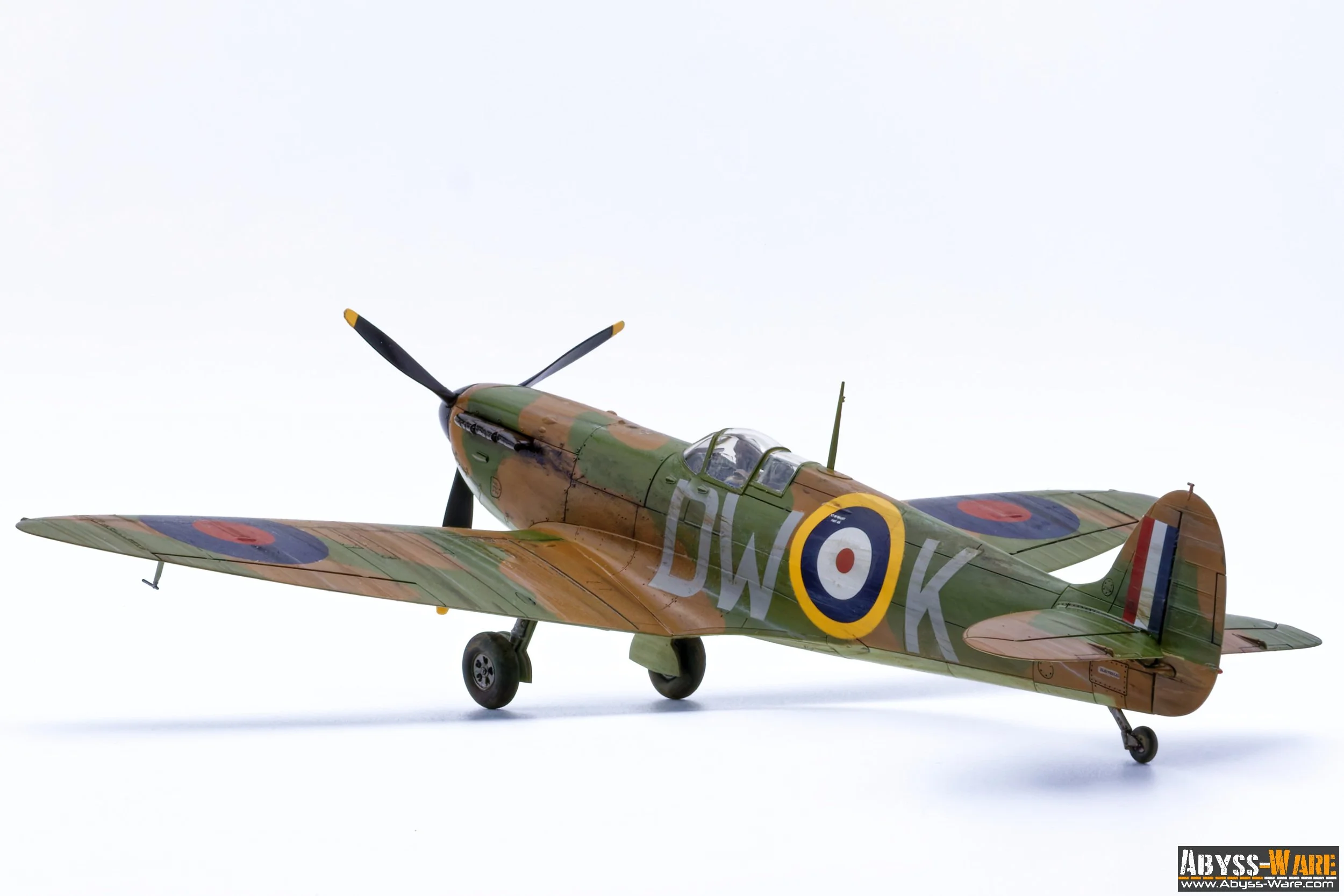
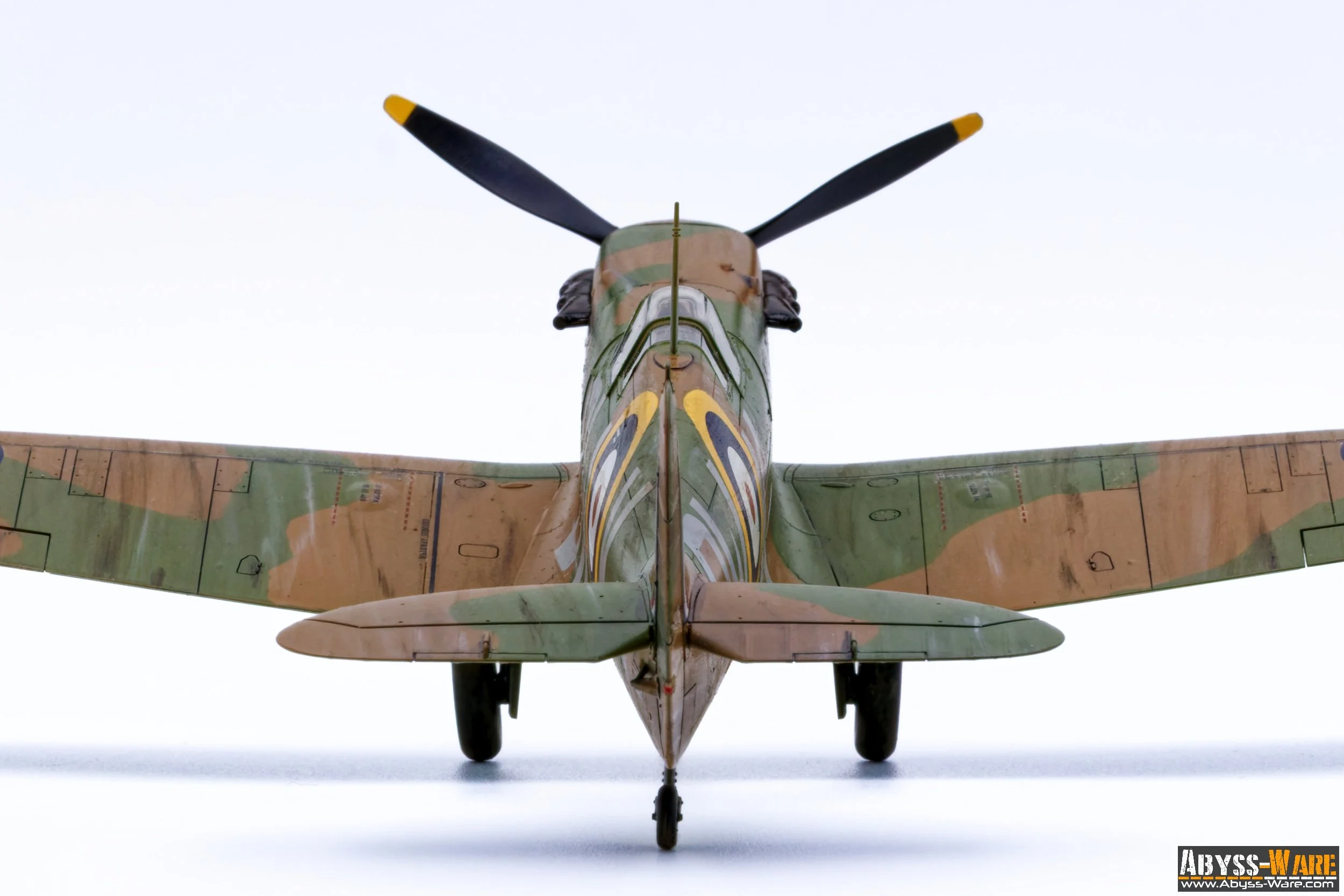
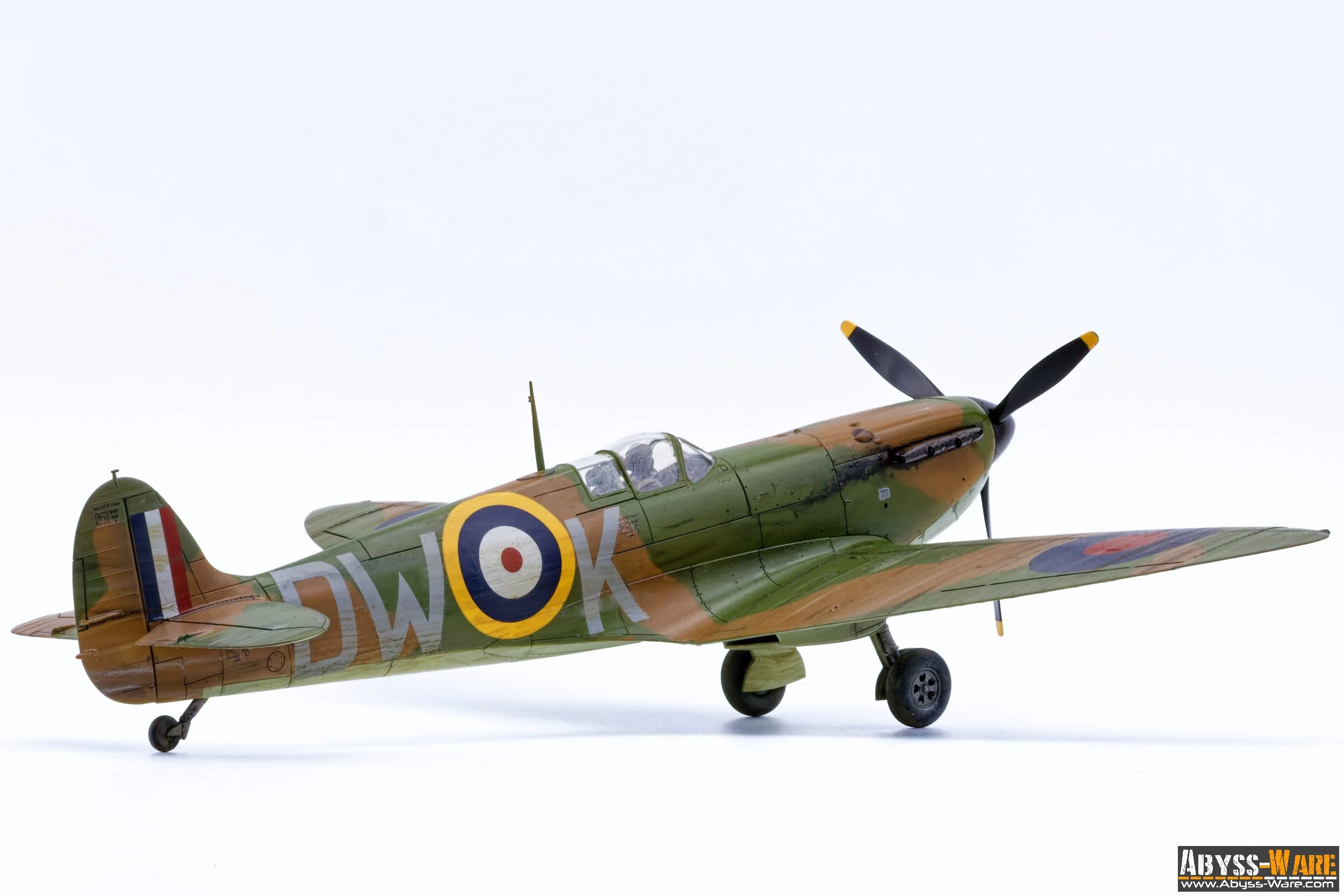
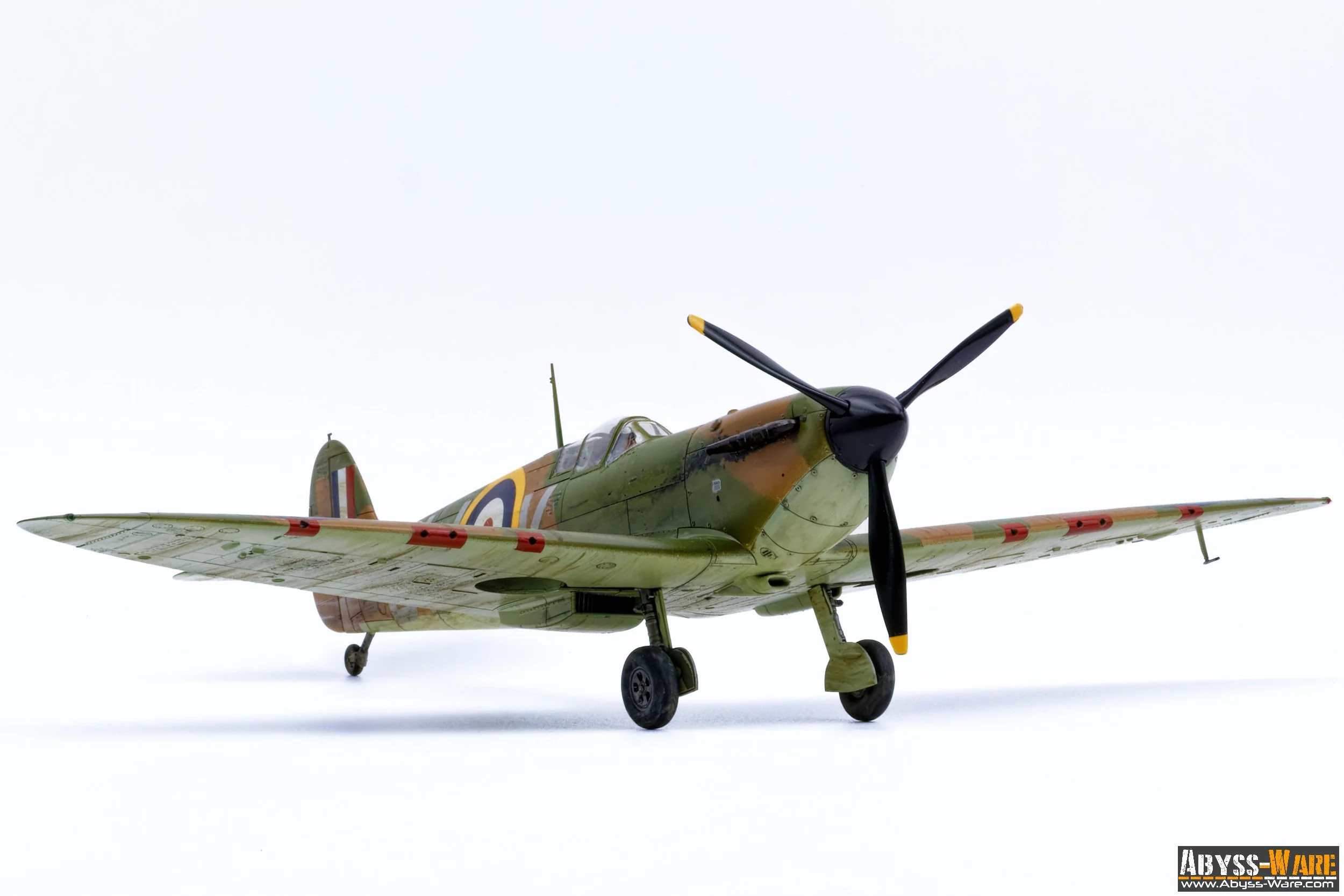
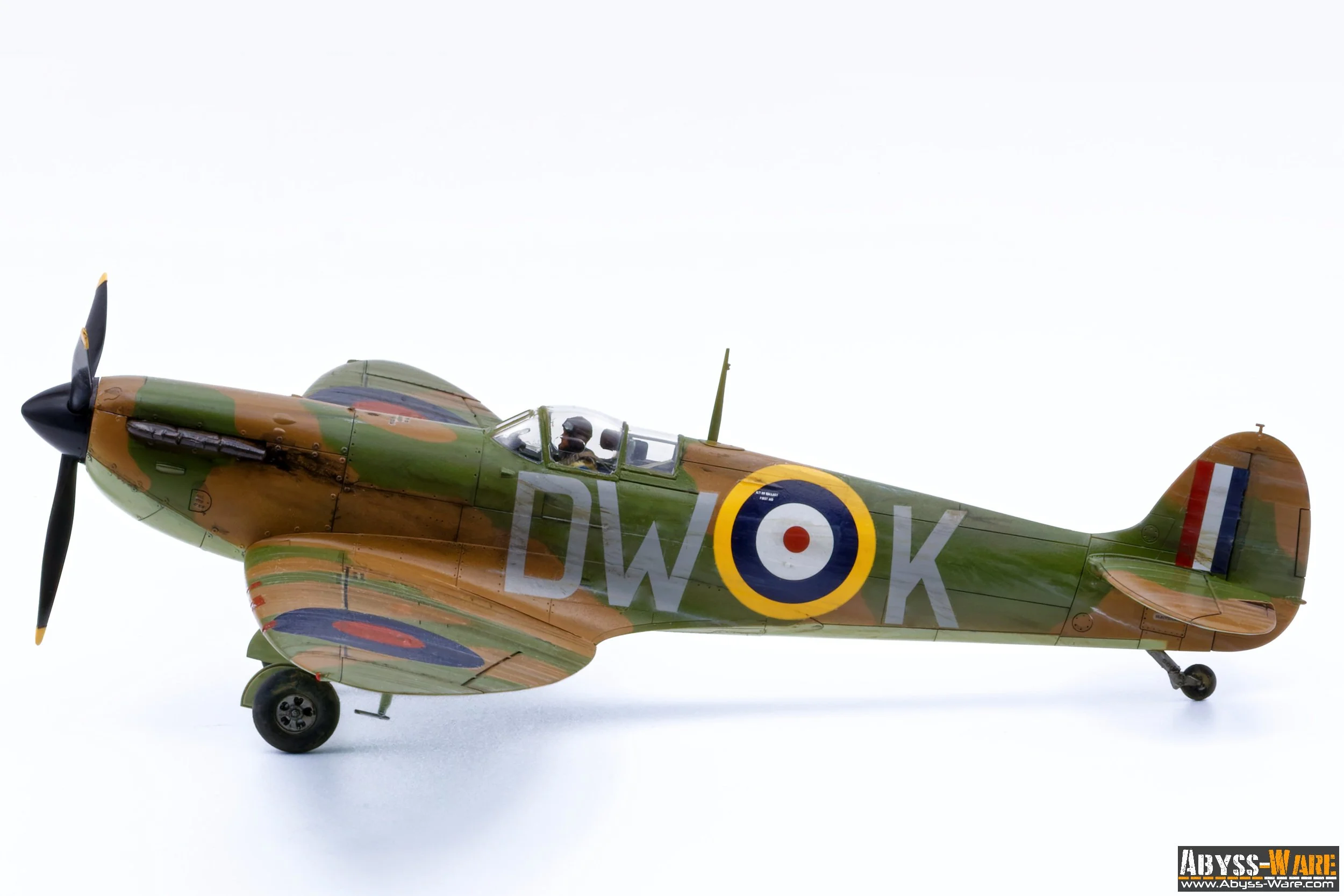
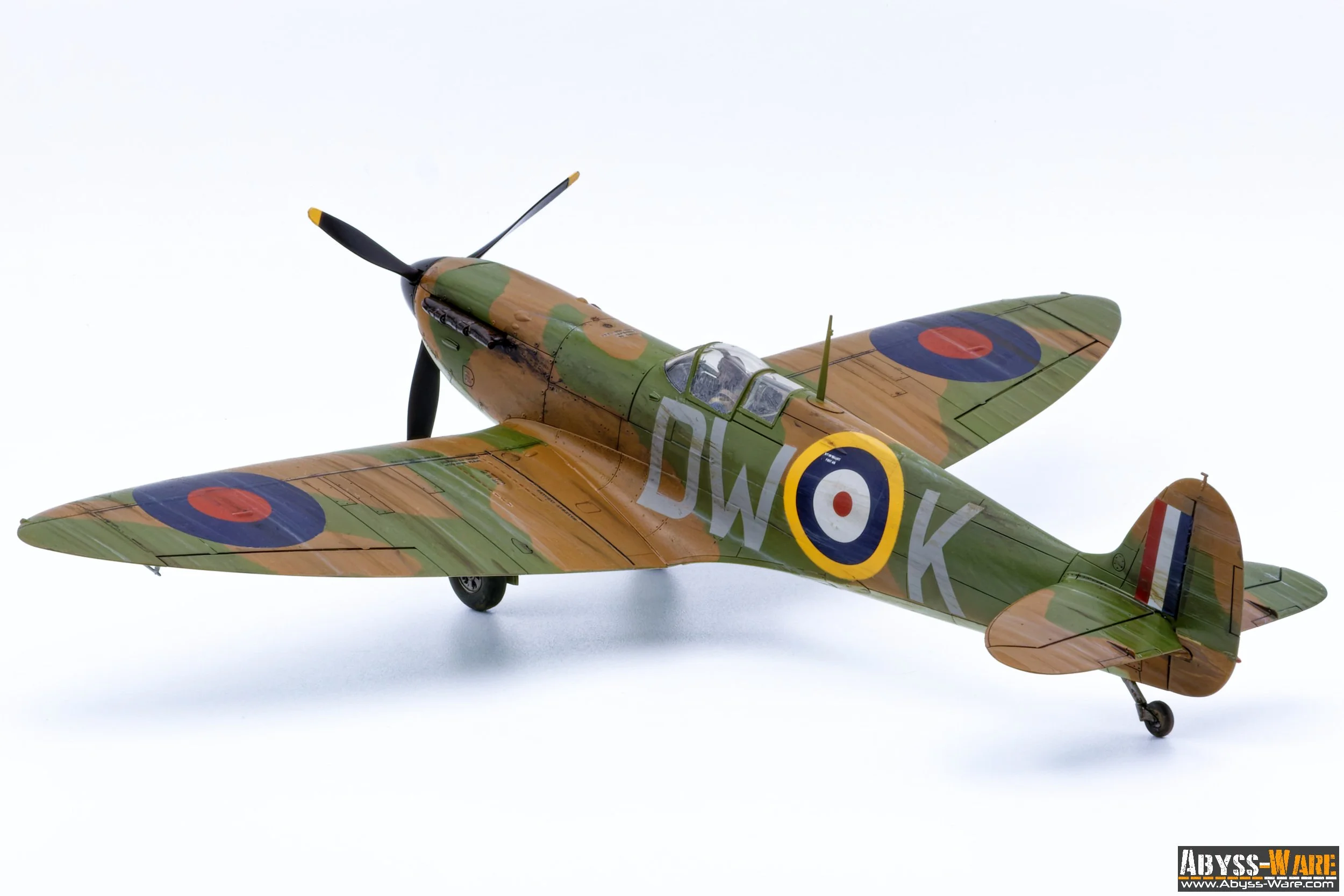
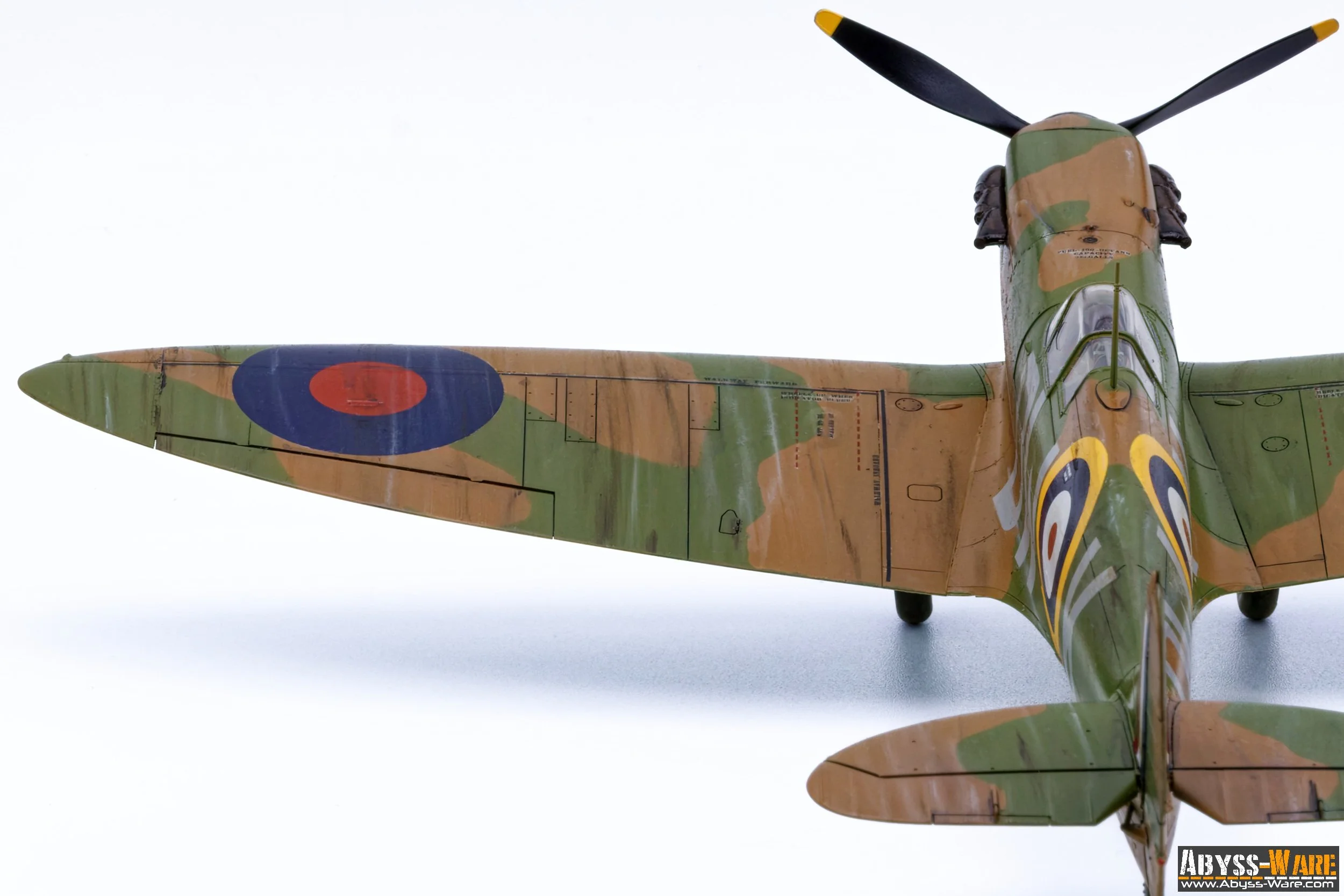
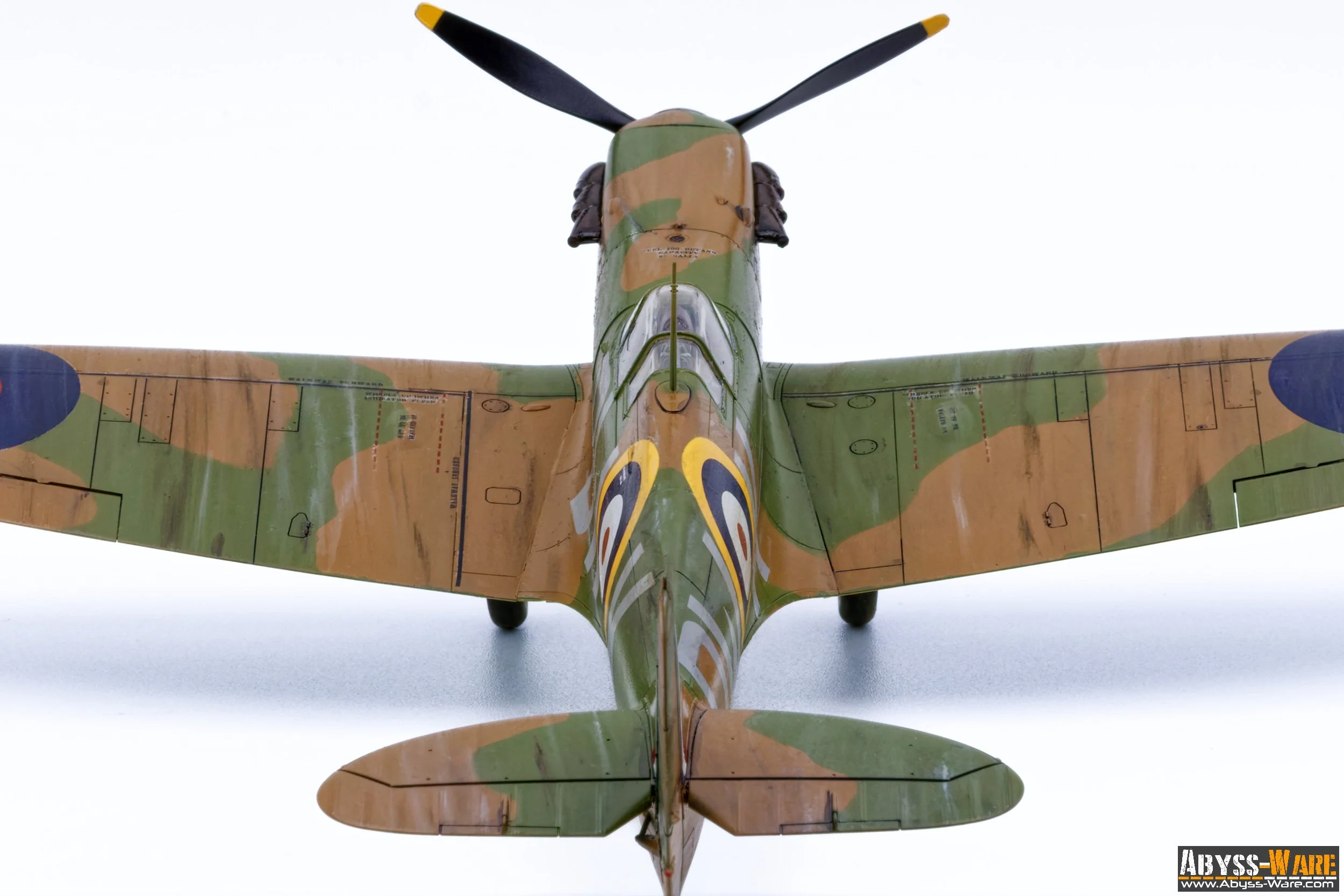
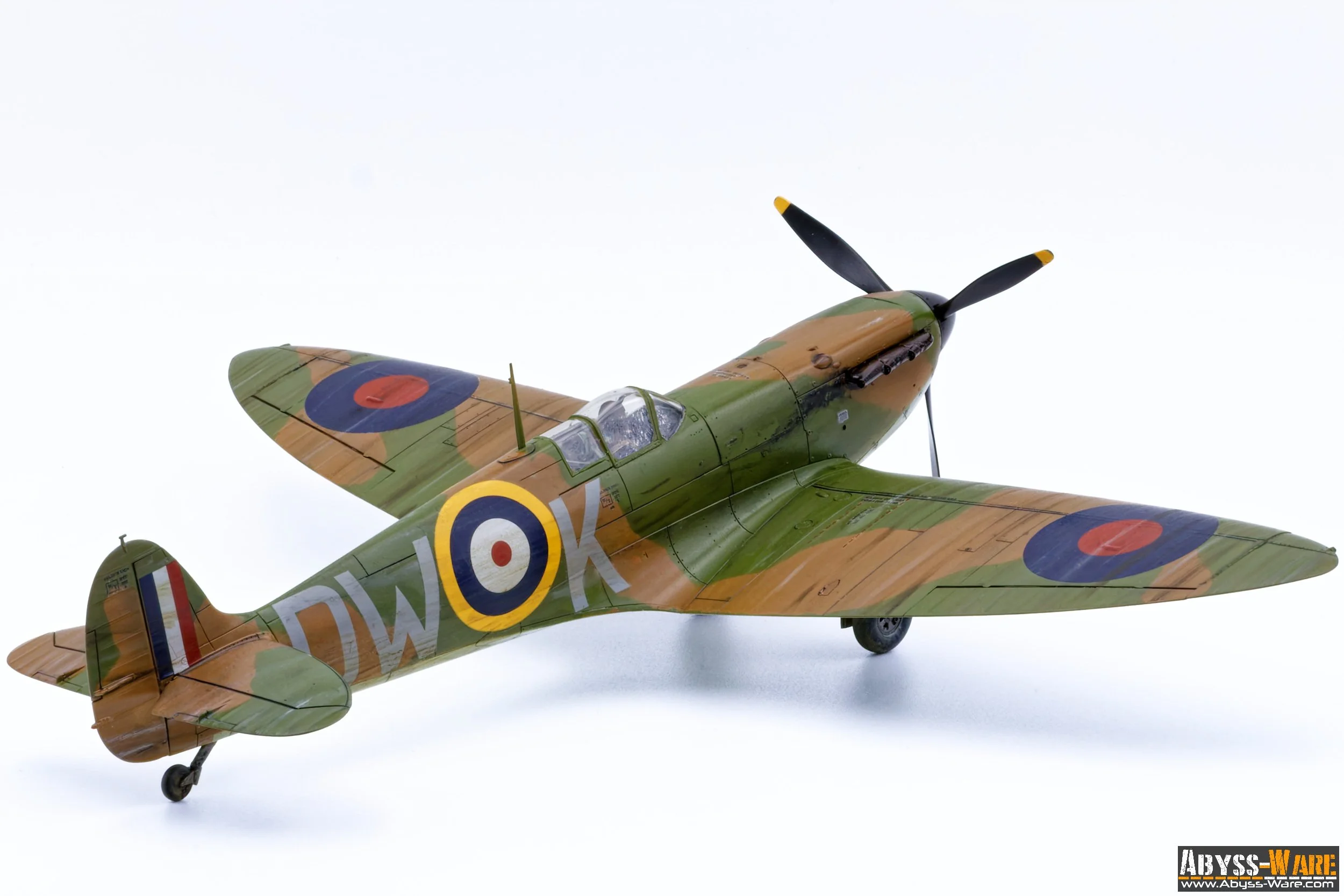
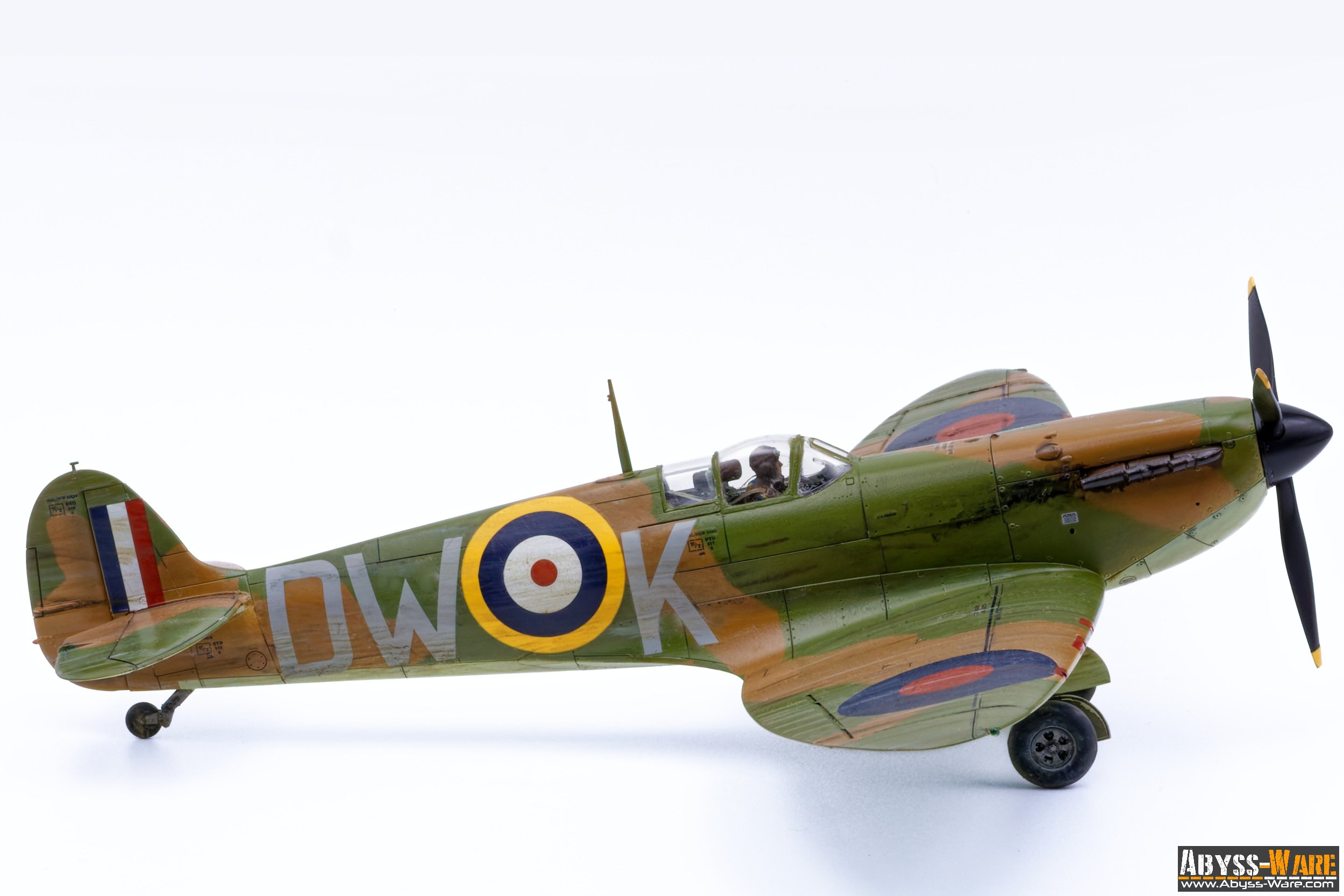
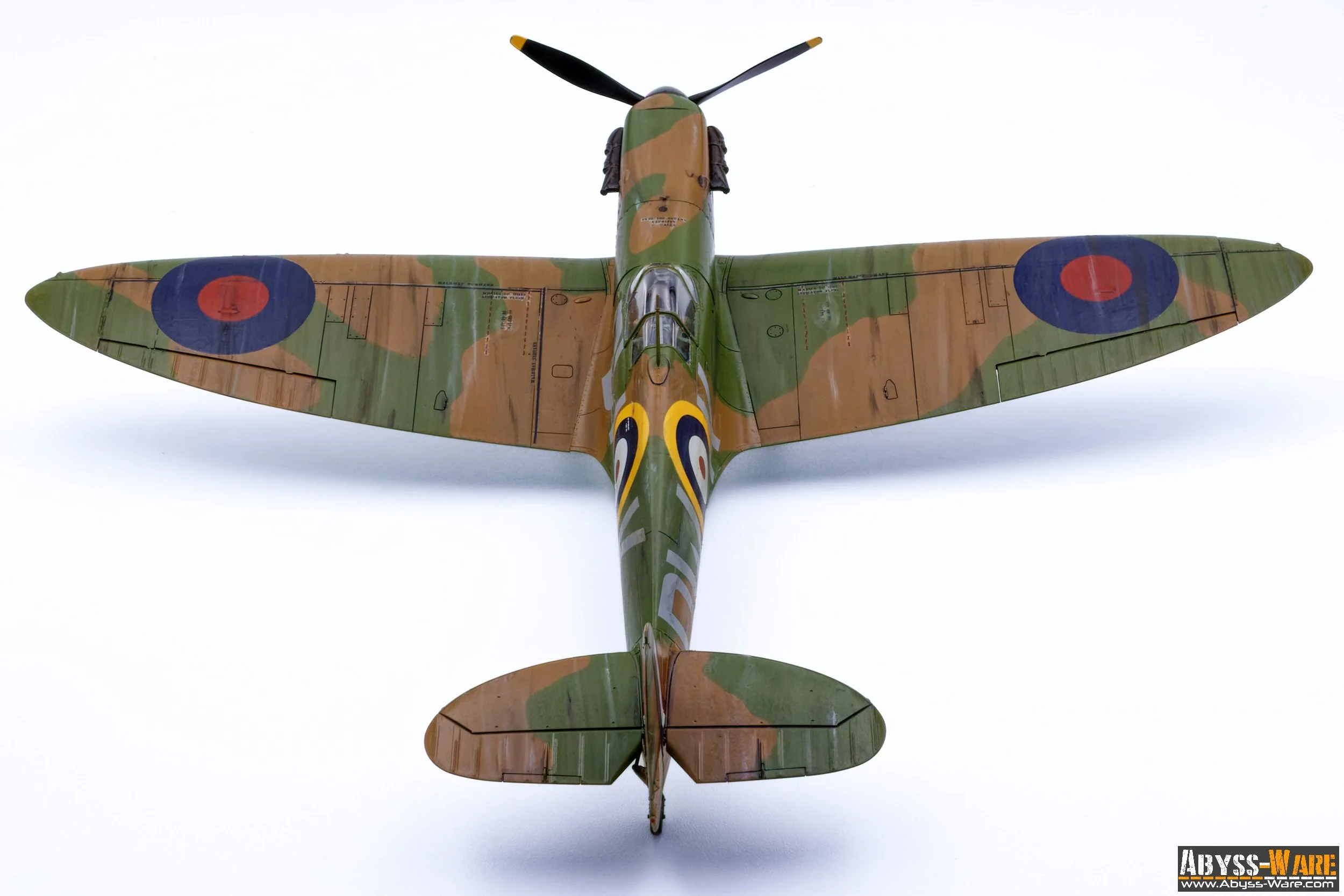
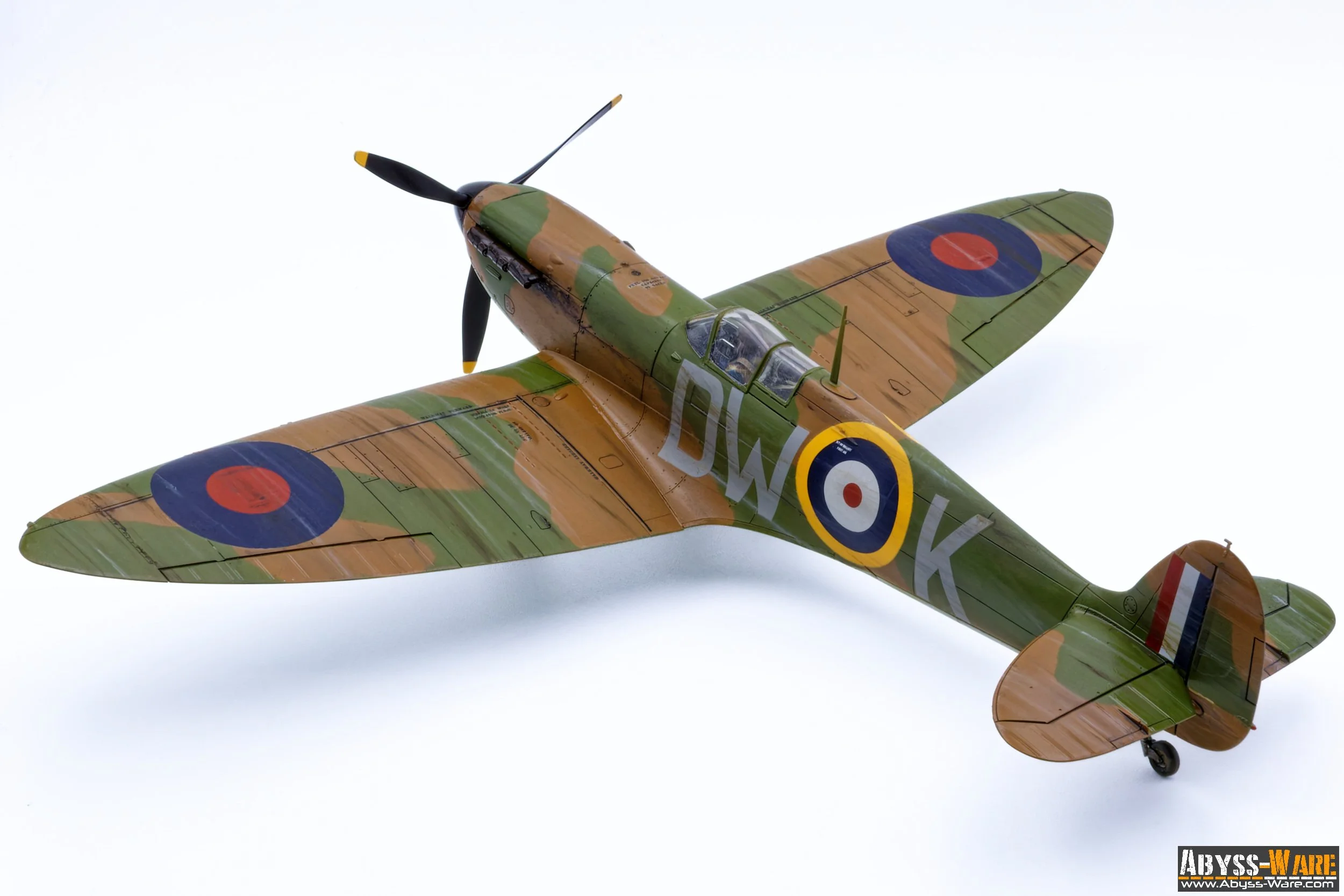
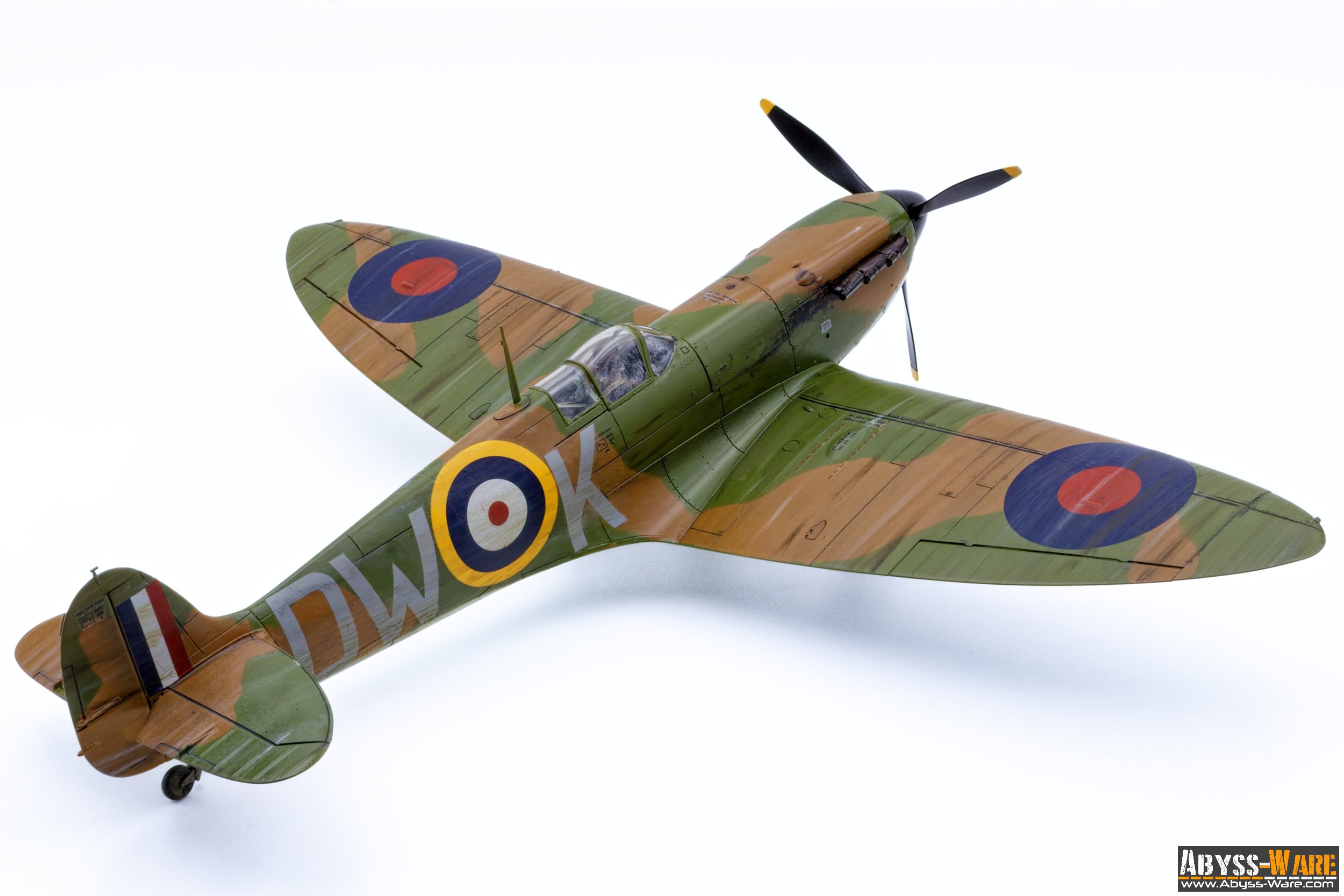
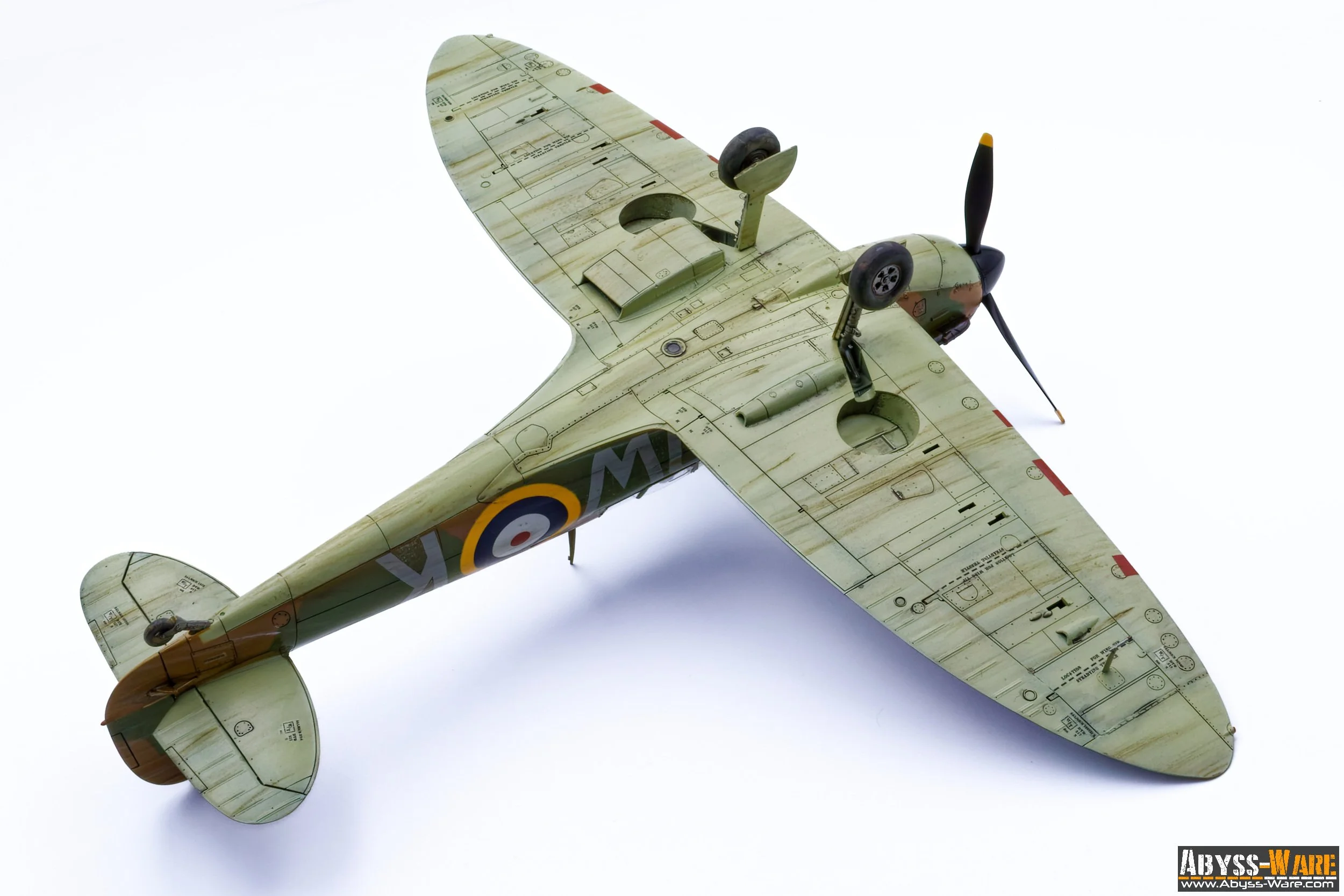
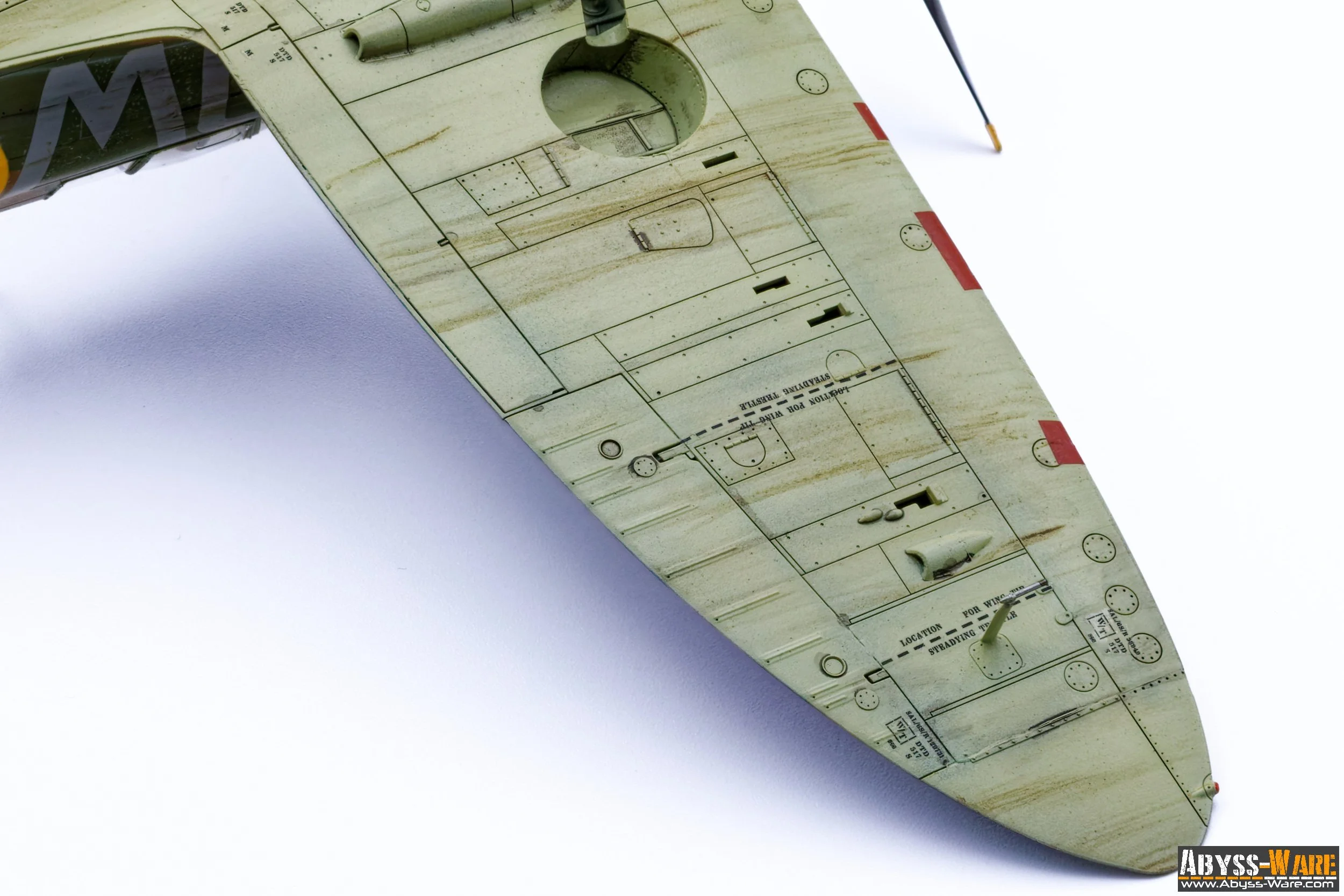
Note: The images presented bellow feature photographs of actual scale models, enhanced with AI-generated backgrounds and environments for visual effect. These visuals are intended for illustrative and artistic purposes only and should not be interpreted as real photographs or historical references.