
MILITARY VEHICLES & AFVs
Scale Models
"Amateurs talk strategy. Professionals talk logistics.”
-- Omar N. Bradley
Beyond the Tank: The Backbone of Military Mobility
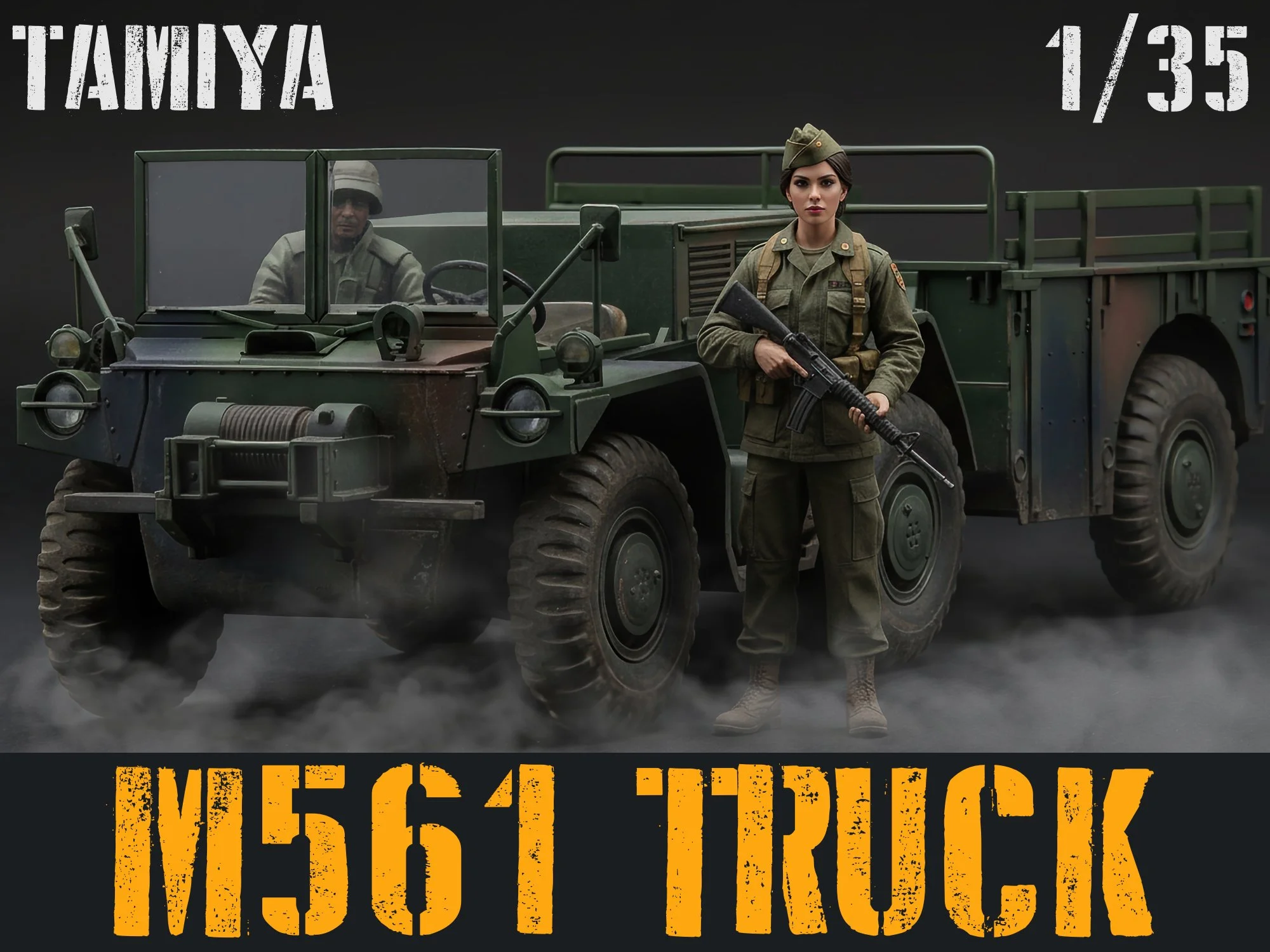
When people think of military vehicles, tanks often dominate the imagination - massive, armored, and bristling with firepower. Yet, the reality of warfare is far more nuanced. Behind every tank is a vast ecosystem of vehicles that transport troops, deliver supplies, gather intelligence, and maintain battlefield infrastructure. These vehicles, often overlooked, have played pivotal roles in military history and continue to evolve with technology and strategy.
Early Military Vehicles: The Birth of Mobility
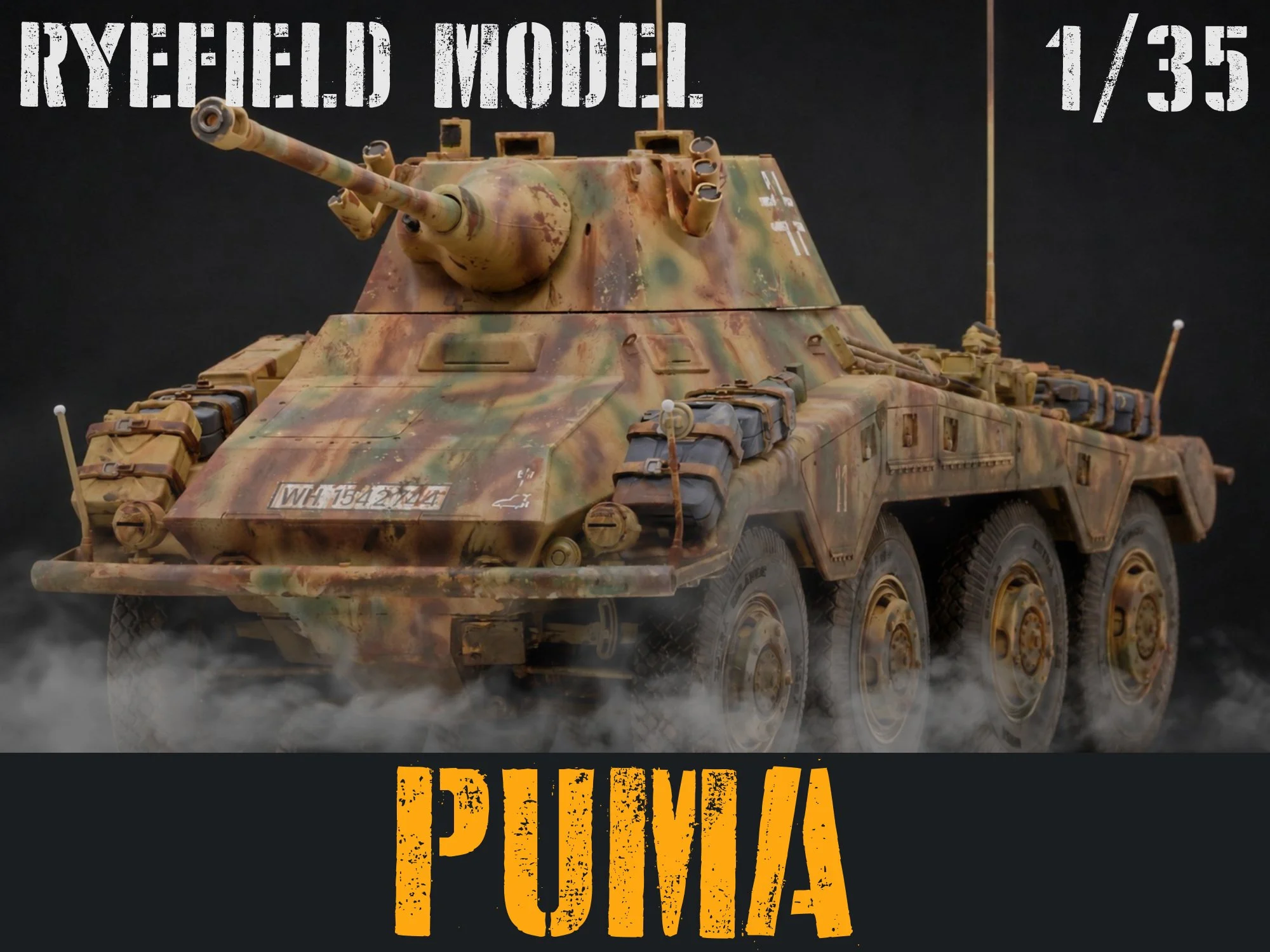
The concept of military vehicles predates the tank. During World War I, armies began experimenting with motorized transport to replace horses and wagons. Trucks and ambulances were among the first to be widely adopted, revolutionizing logistics and casualty evacuation. One of the earliest armored vehicles was the Rolls-Royce Armoured Car, used by British forces in 1914. Though lightly armed and armored, it proved effective in desert warfare and reconnaissance. These early vehicles laid the groundwork for the development of more specialized platforms in the decades to come.
World War II: The Rise of Mechanized Warfare
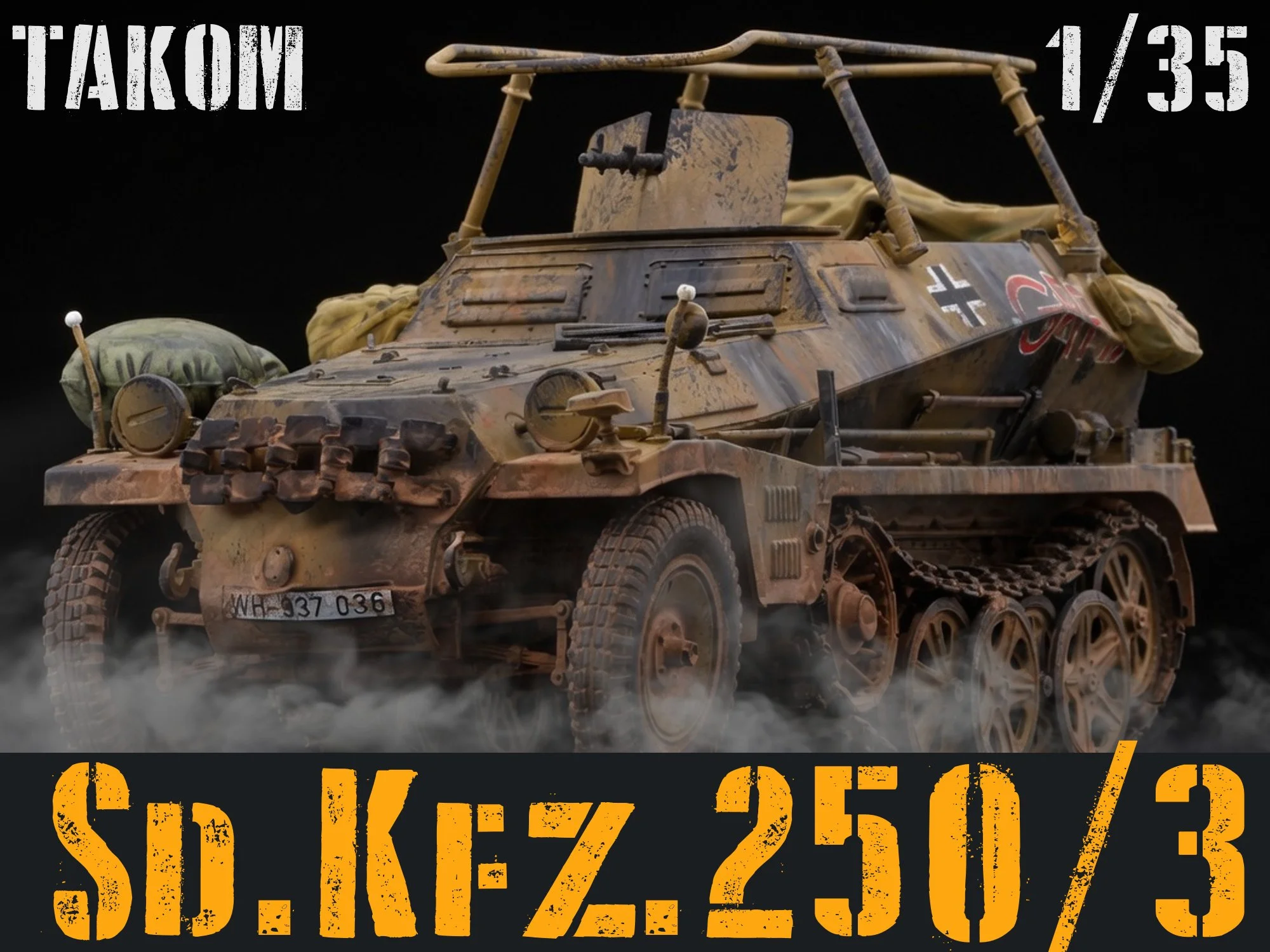
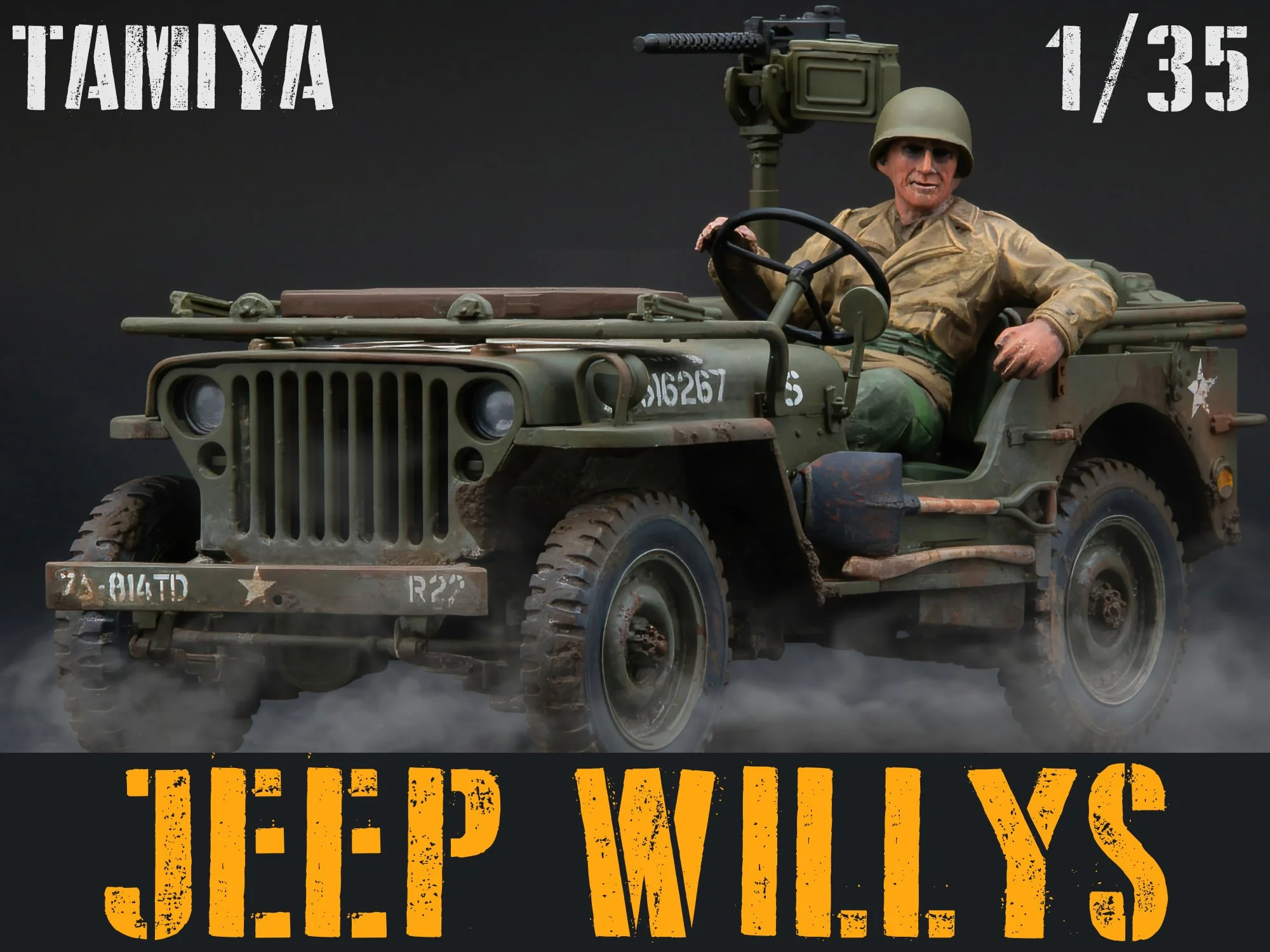
World War II marked a turning point in the use of military vehicles. While tanks took center stage, other vehicles played equally critical roles. The M3 Half-track, for example, was used extensively by U.S. forces to transport infantry. Its combination of wheels and tracks allowed it to traverse rough terrain while offering some protection. Germany’s Sd.Kfz. 251 series served a similar purpose, enabling rapid movement of troops and equipment. These vehicles allowed armies to execute blitzkrieg tactics - fast, coordinated assaults that relied on mobility and communication.
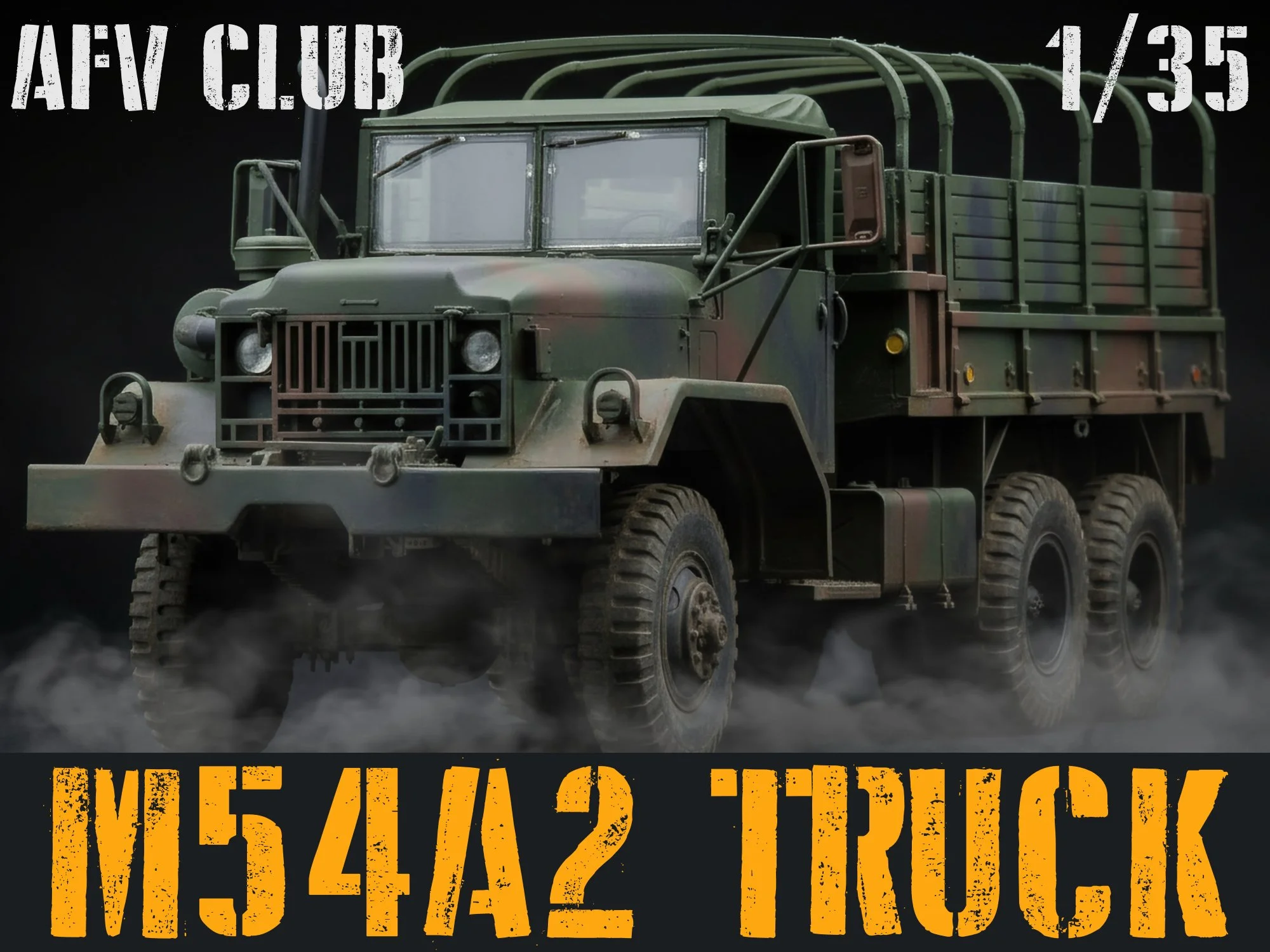
The war also saw the emergence of specialized engineering vehicles, such as bridge layers and mine-clearing tanks, which supported armored advances. Logistics vehicles like the GMC CCKW “Deuce and a Half” truck became legendary for their reliability and capacity, forming the backbone of Allied supply chains.
Cold War Innovations and the Birth of the IFV
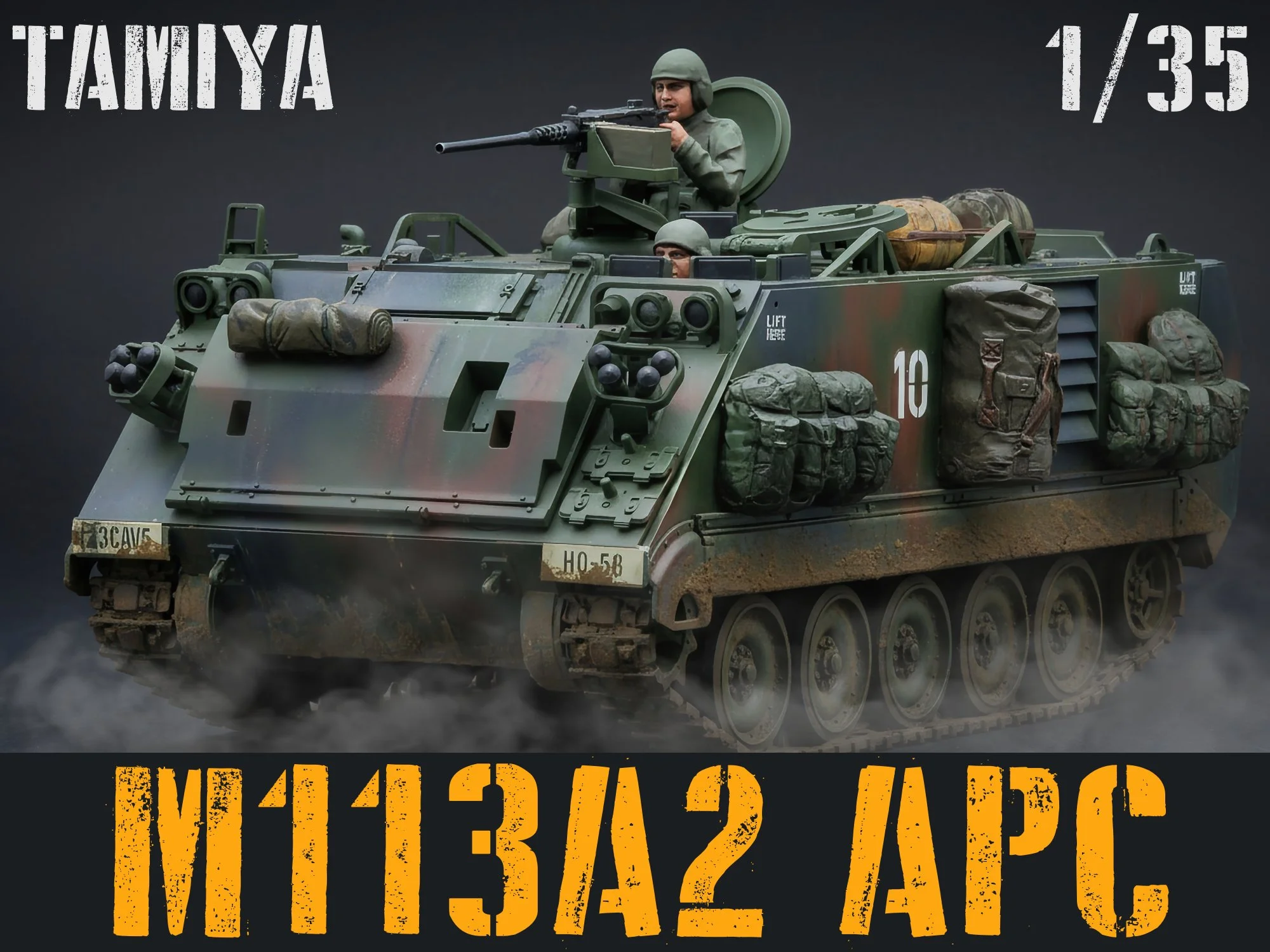
In the post-war era, the focus shifted to mobility and survivability in a nuclear battlefield. The Cold War saw the development of Armored Personnel Carriers (APCs) and Infantry Fighting Vehicles (IFVs), which allowed infantry to fight alongside tanks. The M113 APC, introduced in the 1960s, became one of the most widely used military vehicles in history. Lightweight, amphibious, and air-transportable, it served in Vietnam and beyond. Its success inspired the development of the Bradley Fighting Vehicle, which added heavier armament and advanced sensors, blurring the line between transport and combat. Meanwhile, the Soviet Union introduced the BMP-1, the first true IFV, capable of carrying troops and engaging enemy armor. Its amphibious capabilities and integrated weapon systems made it a formidable asset in mechanized warfare.
Vietnam and Asymmetric Warfare: A Shift in Priorities
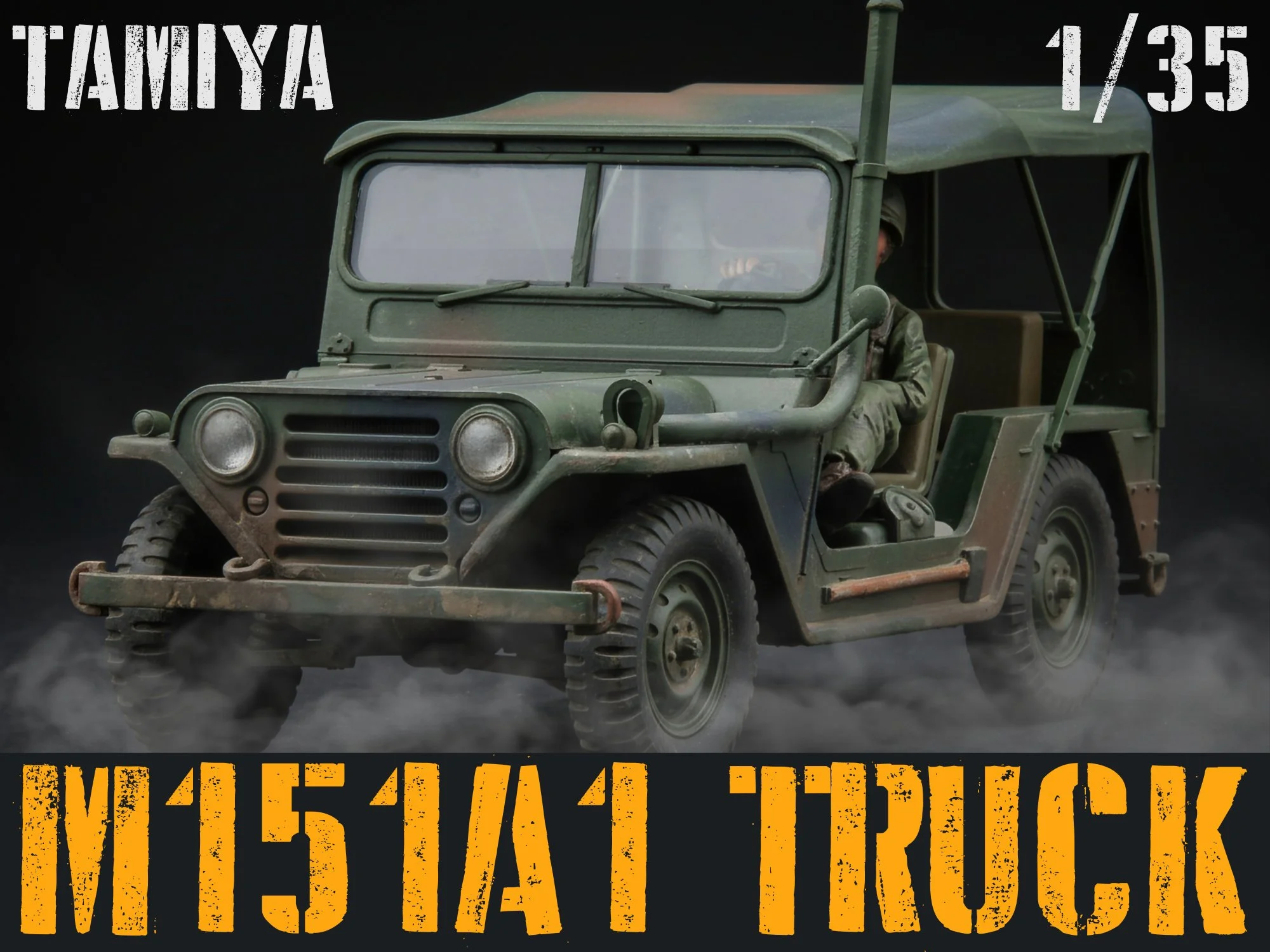
The Vietnam War highlighted the limitations of conventional armored vehicles in jungle and guerrilla warfare. Light tactical vehicles like the M151 MUTT jeep were favored for their agility and simplicity. Helicopters also began to play a larger role in troop transport and reconnaissance, reducing reliance on ground vehicles in certain terrains. However, the need for protected mobility remained. The war underscored the importance of vehicles that could operate in hostile environments while minimizing casualties, setting the stage for future innovations.
The Gulf War and the Logistics Revolution
Operation Desert Storm in 1991 showcased the power of mechanized forces operating in open terrain. While tanks led the charge, support vehicles ensured their effectiveness. The HEMTT (Heavy Expanded Mobility Tactical Truck) transported fuel and ammunition across vast desert landscapes, enabling sustained operations. The war also demonstrated the importance of command and control vehicles. Mobile headquarters equipped with satellite communications allowed real-time coordination across dispersed units, a capability that would become standard in future conflicts.
Post-9/11 Conflicts: The Rise of MRAPs
The wars in Iraq and Afghanistan introduced new challenges. Improvised explosive devices (IEDs) became the primary threat to ground forces, prompting the rapid development of Mine-Resistant Ambush Protected (MRAP) vehicles. The Cougar and Buffalo, with their V-shaped hulls, were designed to deflect blasts and protect occupants. These vehicles dramatically reduced casualties and became symbols of adaptation in modern warfare. Their success led to widespread adoption and further innovation in vehicle survivability.
Modern Tactical Vehicles: Technology Meets Versatility
Today’s military vehicles are more than just transport - they are platforms for sensors, weapons, and communications. The Joint Light Tactical Vehicle (JLTV), developed to replace the aging Humvee, offers modularity, advanced armor, and digital integration. Reconnaissance vehicles like the Fennek use thermal imaging and radar to scout ahead, while command vehicles coordinate operations with satellite links and battlefield management software. Engineering vehicles build fortifications, clear mines, and recover damaged equipment, often under fire. Specialized vehicles now include electronic warfare platforms, chemical detection units, and mobile radar systems. These assets enhance situational awareness and protect forces from unconventional threats.
Historical Impact and Strategic Importance
Throughout history, non-tank military vehicles have shaped the outcome of conflicts. In World War II, logistics trucks enabled the Allied advance across Europe. In Vietnam, light vehicles adapted to guerrilla tactics. In Iraq and Afghanistan, MRAPs saved lives and maintained mobility in hostile environments. These vehicles have also influenced military doctrine. Mechanized infantry, rapid deployment, and network-centric warfare all rely on the capabilities provided by non-tank platforms. Their evolution reflects the changing nature of warfare—from massed armor to agile, tech-enabled operations.
The Future: Autonomous Systems and Electric Mobility
Looking ahead, military vehicles are poised for another transformation. Autonomous ground vehicles are being developed for reconnaissance, logistics, and even combat roles. These systems reduce risk to personnel and can operate in hazardous environments. Hybrid and electric propulsion systems are gaining traction, offering silent operation and reduced thermal signatures. These technologies support stealth and sustainability, especially in prolonged engagements. Artificial intelligence is being integrated into vehicle systems, enabling predictive maintenance, real-time threat analysis, and coordinated maneuvers. Modular design allows vehicles to be reconfigured for different missions, enhancing flexibility and reducing costs.
Conclusion: The Unsung Heroes of the Battlefield
While tanks may capture headlines and dominate war movies, the reality of military operations is far more complex. Armored personnel carriers, tactical trucks, engineering vehicles, and reconnaissance platforms form the backbone of modern armies. They transport, protect, supply, and coordinate - often under fire and in extreme conditions.
Their history is rich with innovation and adaptation, reflecting the changing face of warfare. From the deserts of North Africa to the mountains of Afghanistan, these vehicles have proven their worth time and again. As technology continues to evolve, their roles will expand, ensuring that they remain indispensable to military strategy and success.