
PANTHER Ausf. G
TAMIYA 35261
SCALE 1/35
.
;
The Panzerkampfwagen V Panther stands as one of the most iconic and influential armored vehicles of World War II. Introduced by Germany in 1943 during the massive Battle of Kursk, the Panther was developed as a direct response to the shocking battlefield dominance of the Soviet T-34 on the Eastern Front. To counter the Soviet threat, German engineers designed a medium tank that perfectly balanced the "holy trinity" of tank design: firepower, mobility, and protection. The Panther featured thick, sloped frontal armor - a design choice heavily inspired by the T-34 - which effectively deflected Allied anti-tank munitions. Its most lethal asset was the long-barreled 75mm KwK 42 L/70 gun. Though smaller in caliber than the fearsome Tiger tank’s 88mm cannon, the Panther’s high-velocity gun actually boasted superior armor penetration, allowing it to destroy enemy vehicles from long distances. Additionally, its Maybach V12 engine and wide interleaved tracks gave the 45-ton behemoth surprisingly agile cross-country mobility.
However, the Panther was not without its flaws. Its highly complex, over-engineered design made it expensive and time-consuming to mass-produce. Early models were plagued by mechanical unreliability, prone to transmission failures and engine fires. Furthermore, while its frontal armor was formidable, its side armor was notoriously vulnerable.
Despite its mechanical and logistical challenges, the Panther was a terrifying adversary for Allied tank crews. Today, military historians widely regard it as one of the finest tanks of the Second World War and a crucial evolutionary stepping stone toward the modern Main Battle Tank.
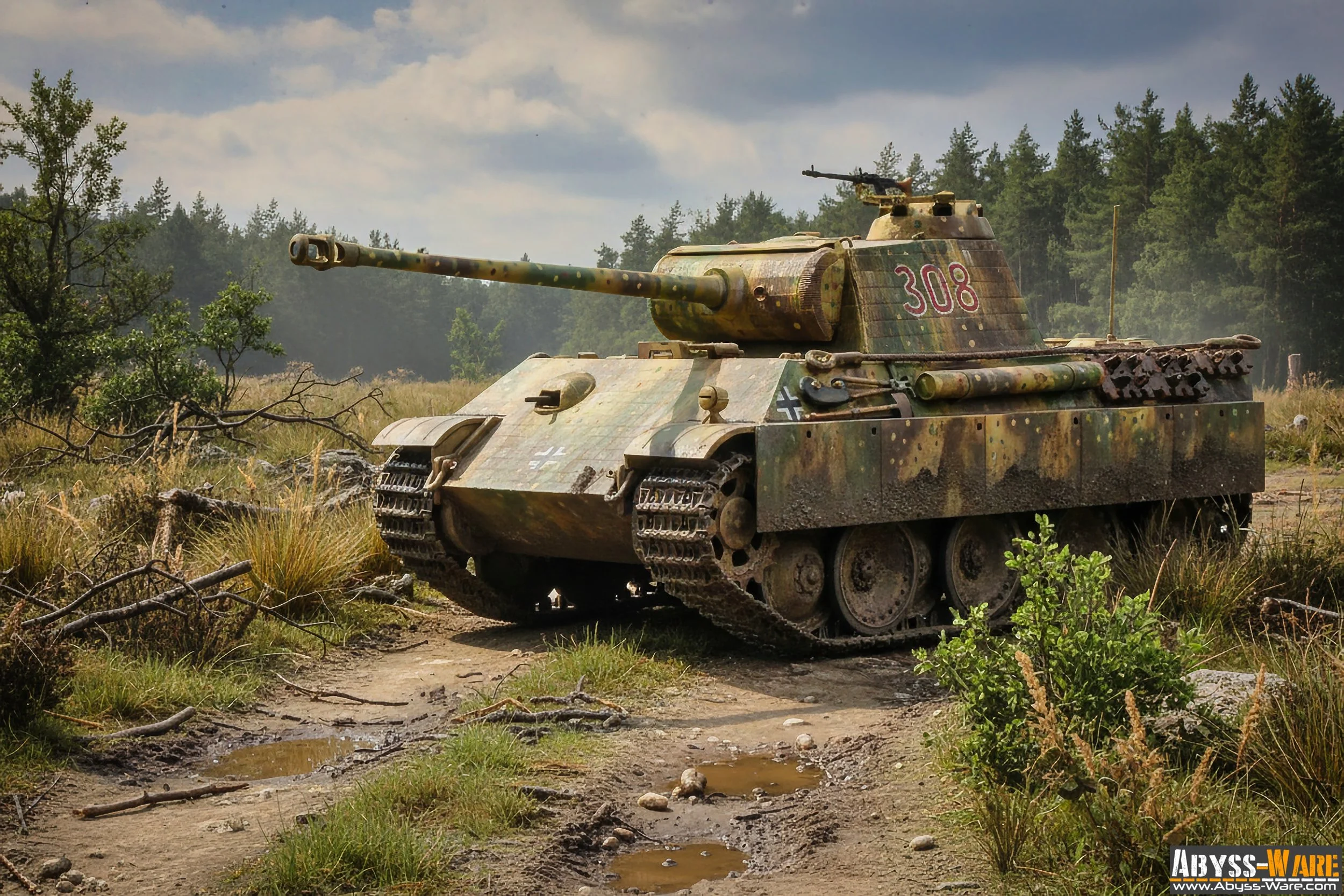
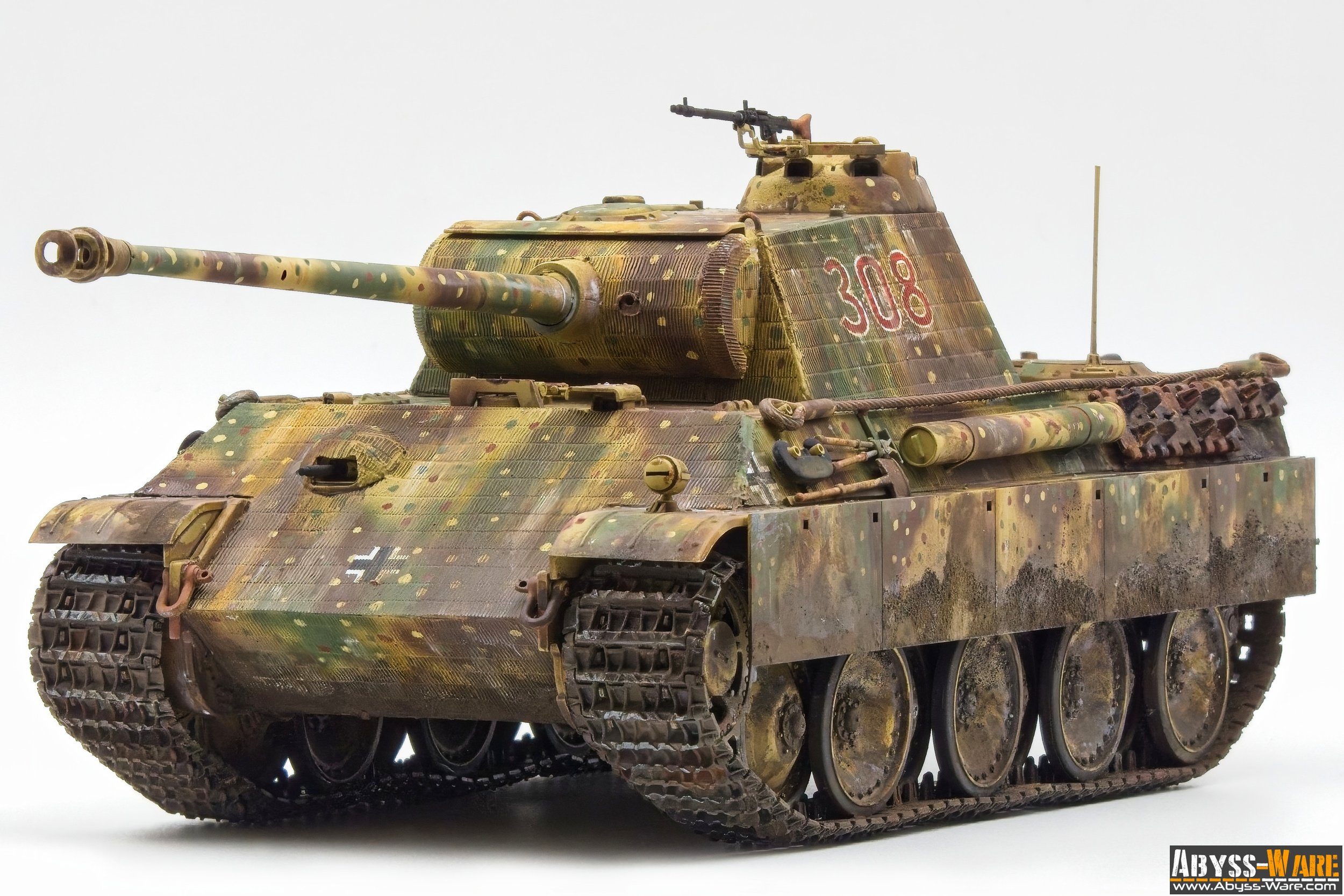
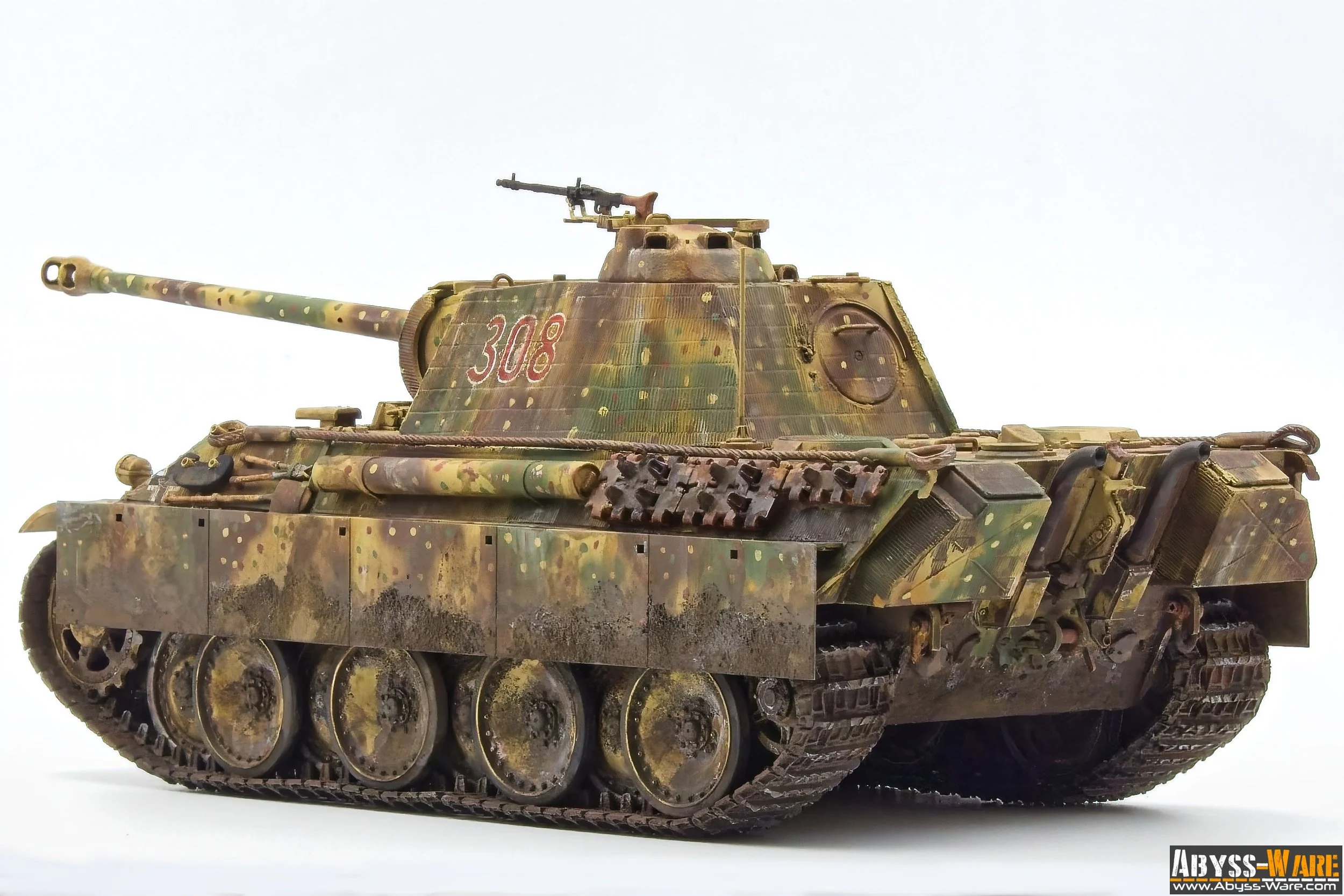
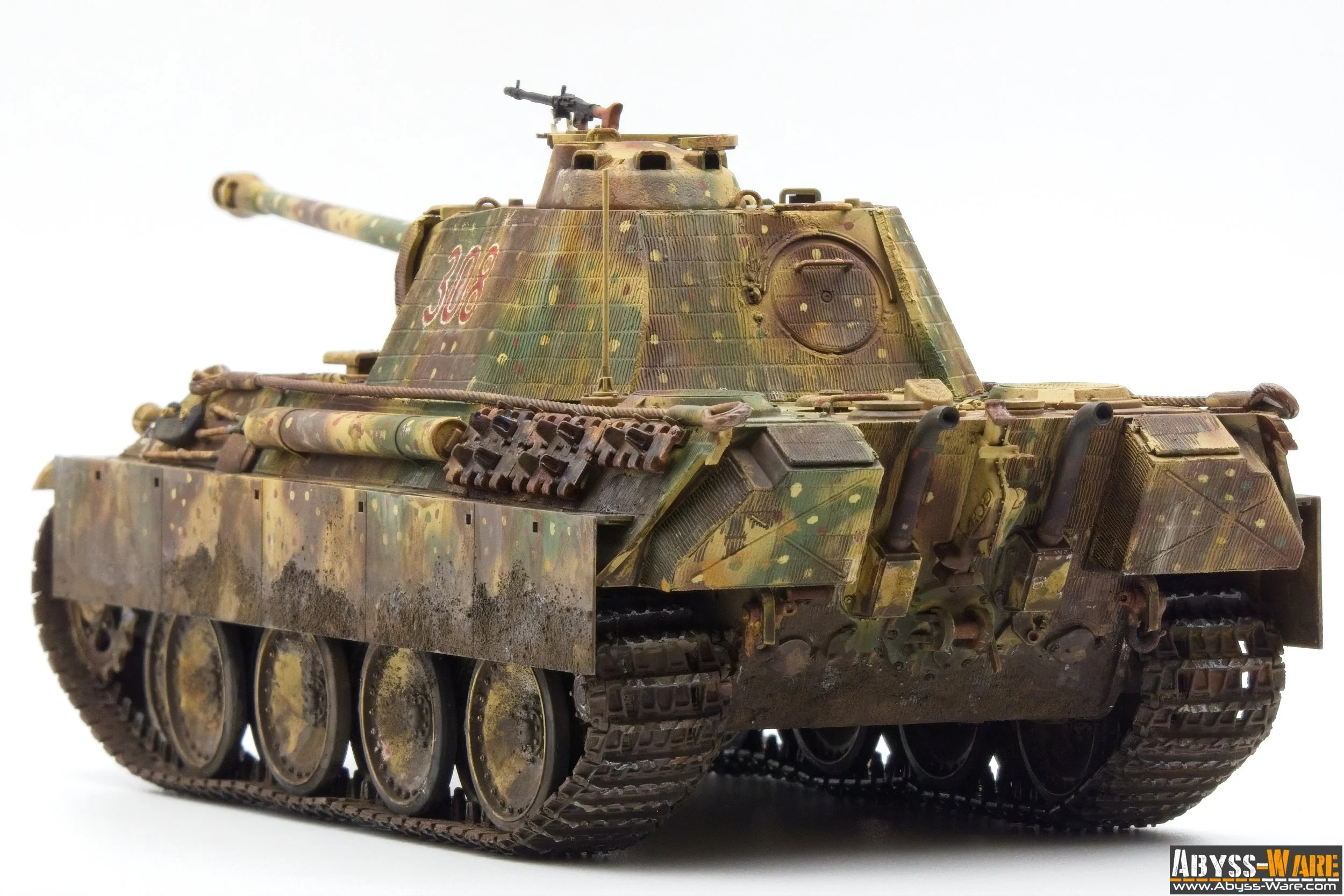
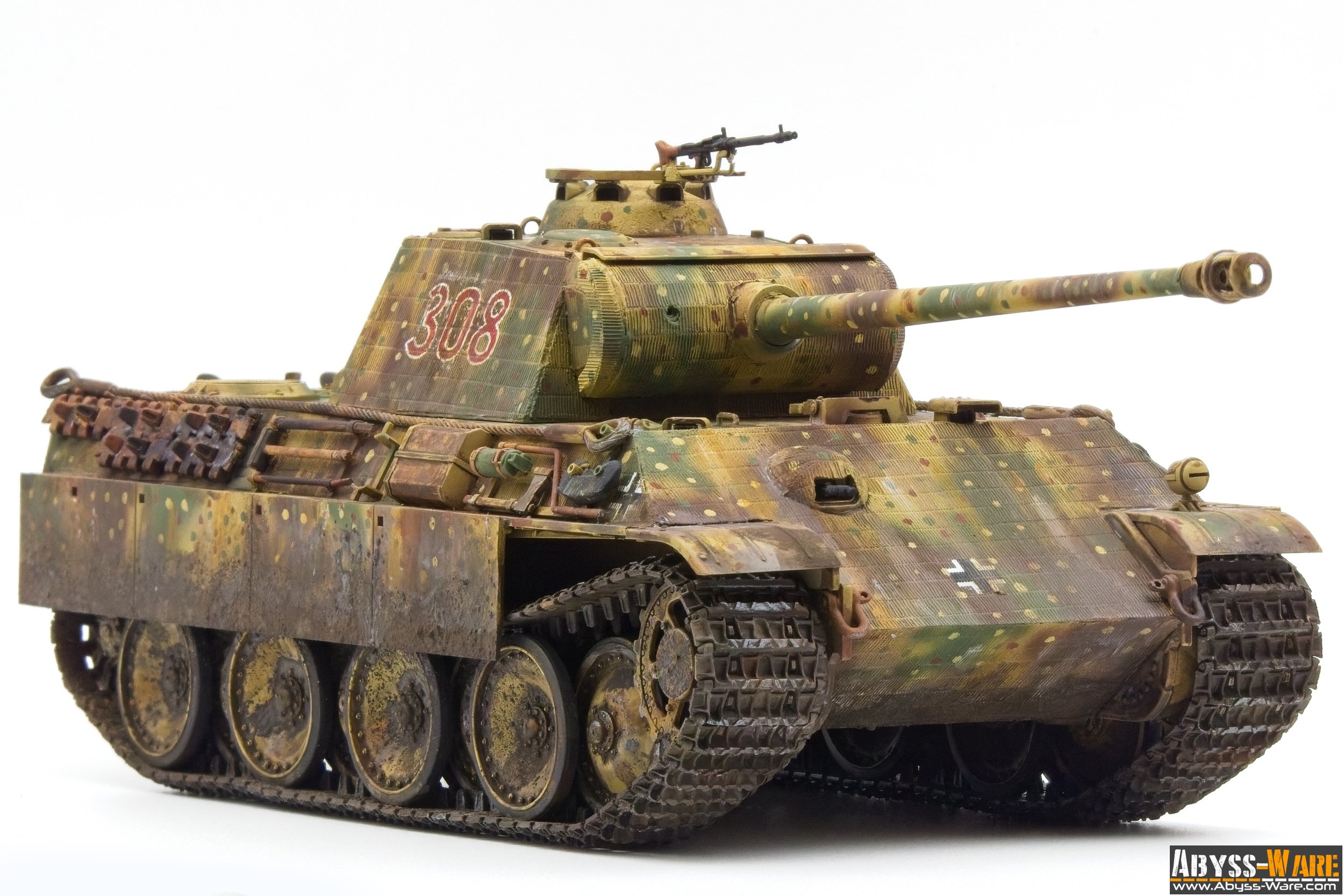
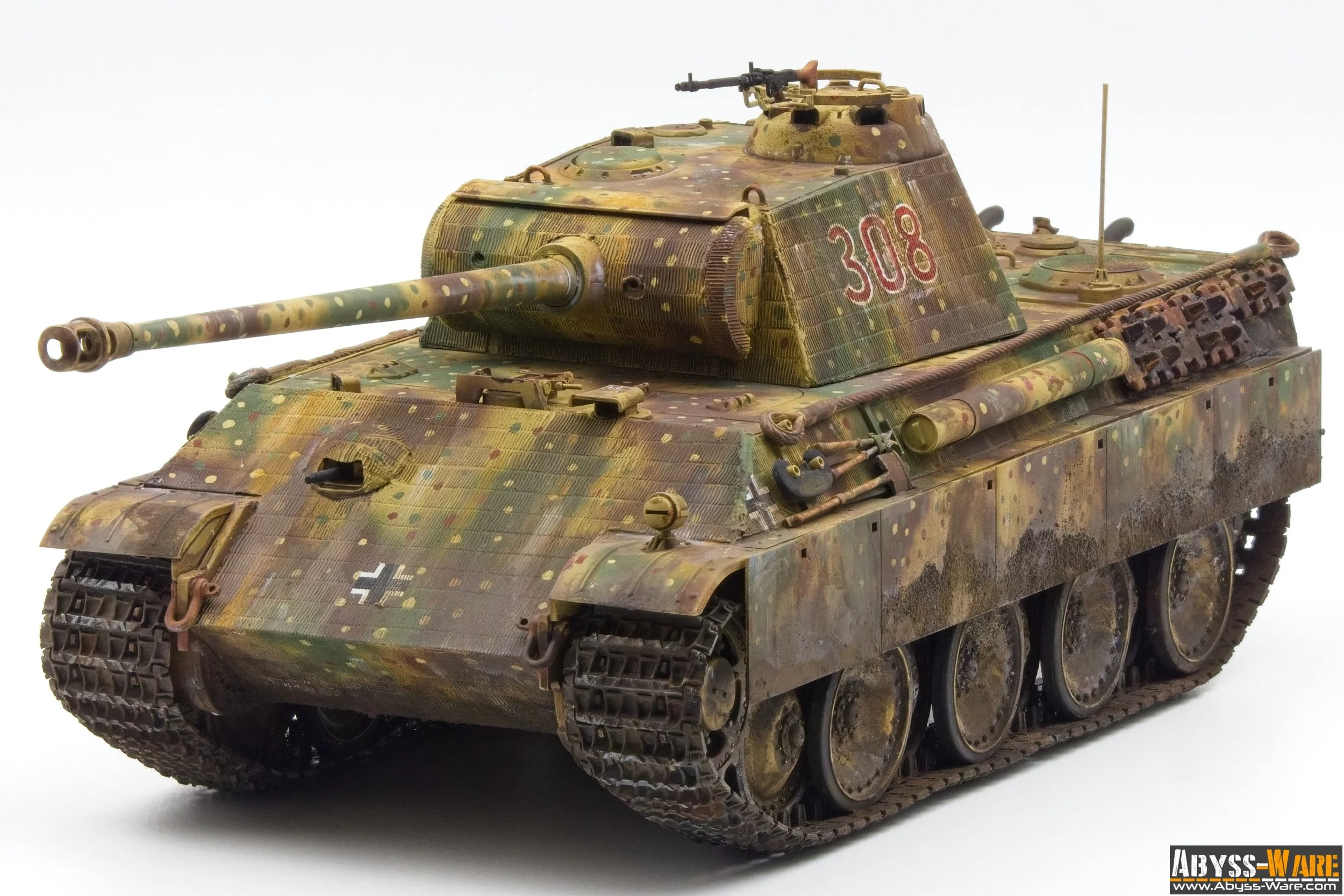
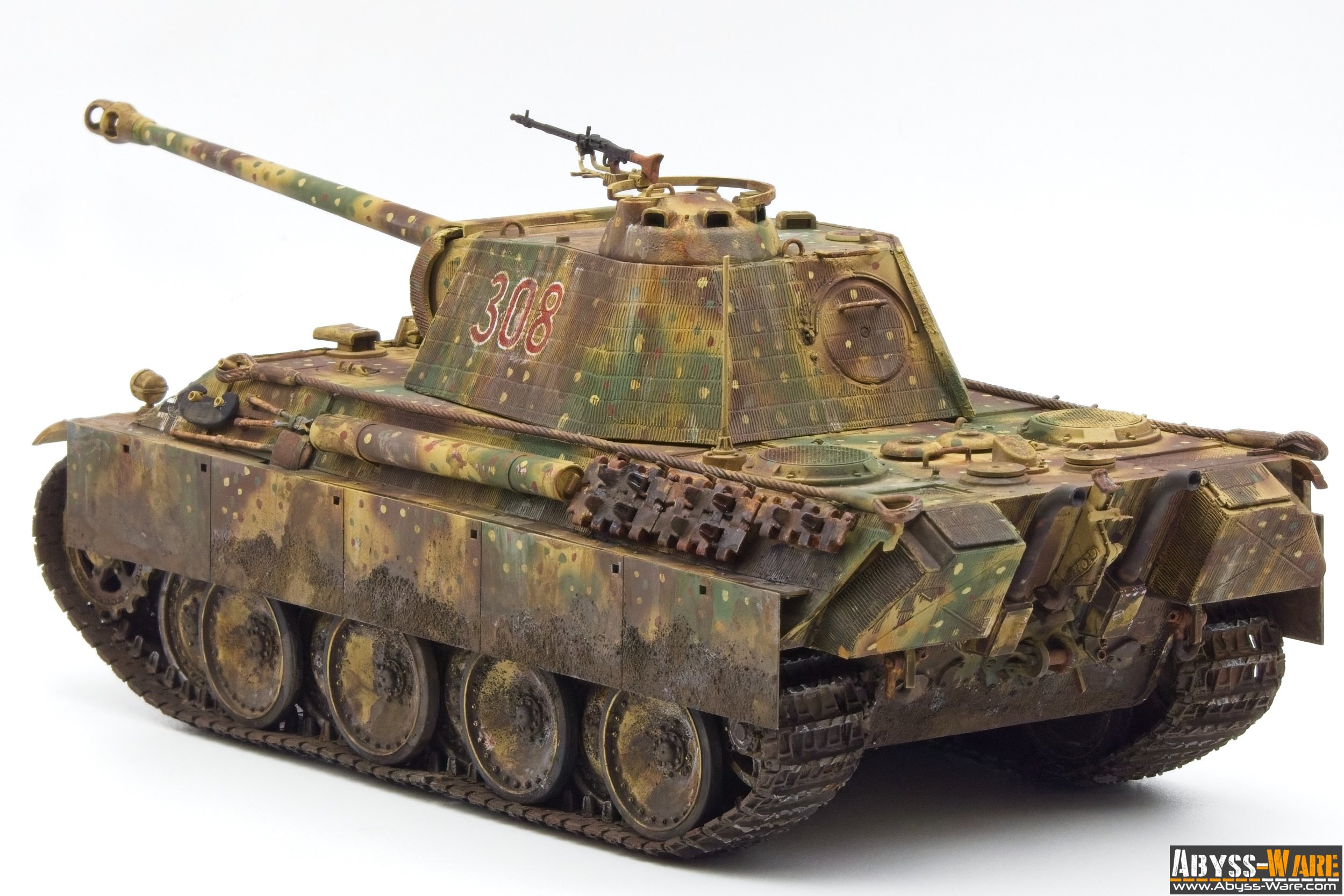
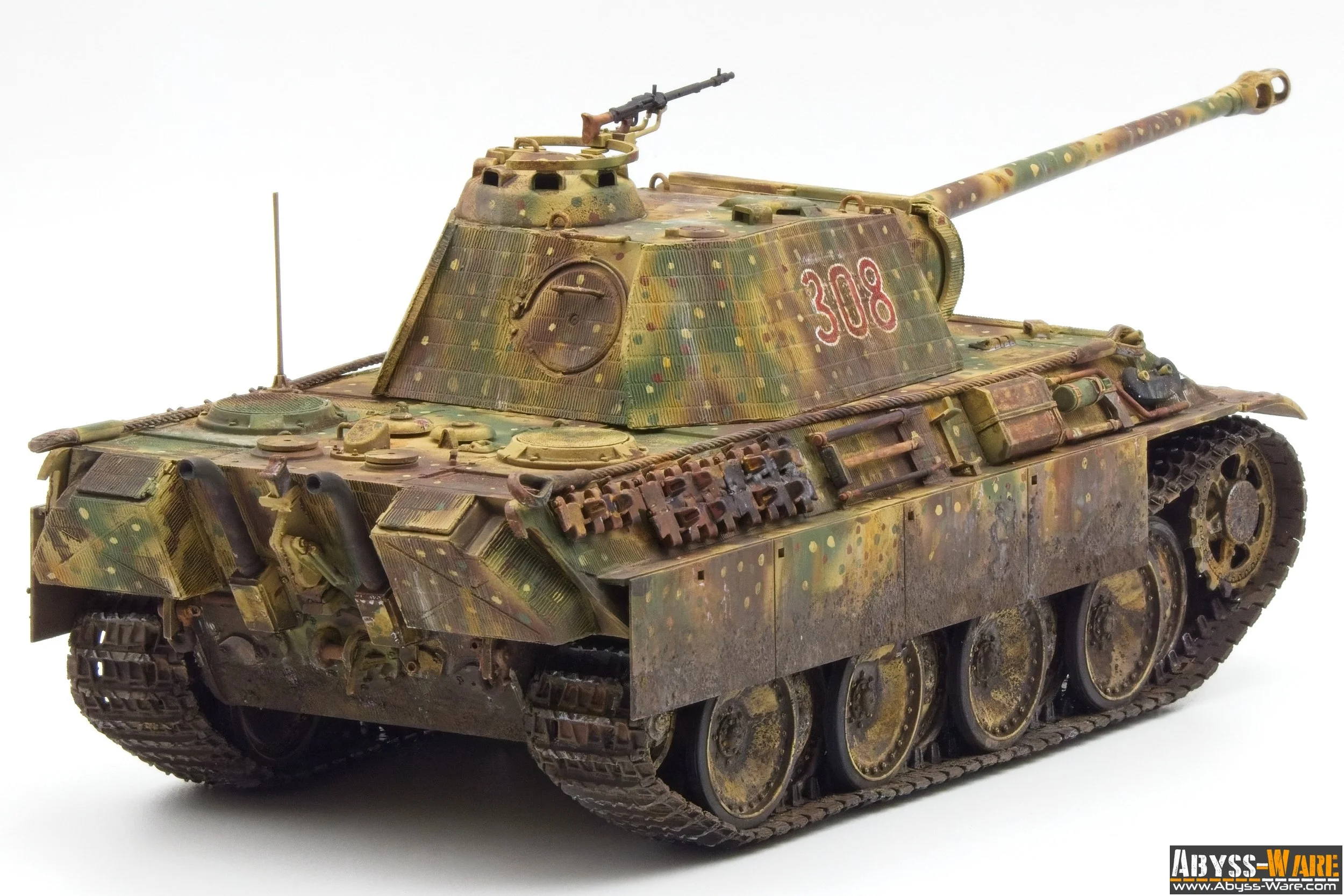
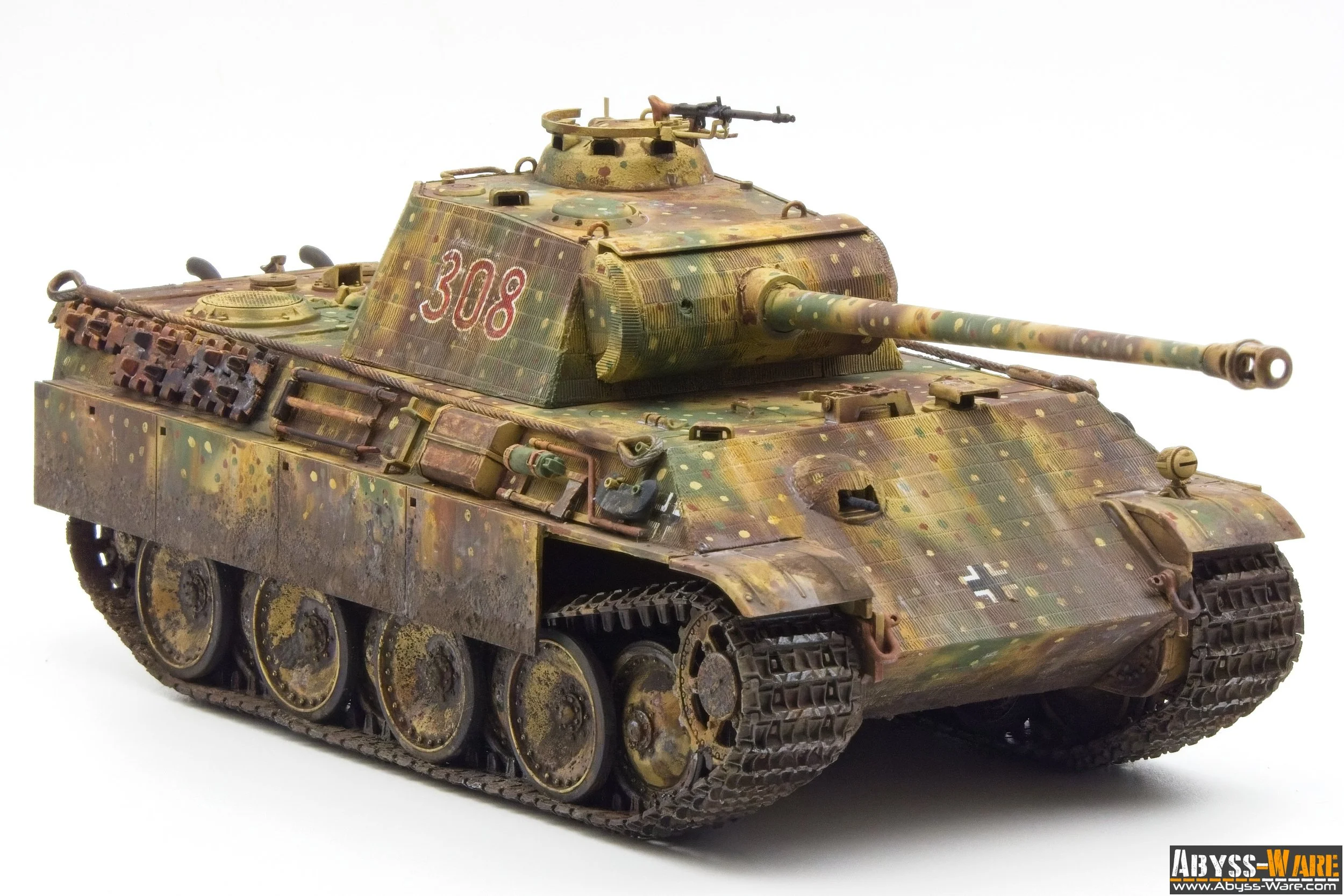
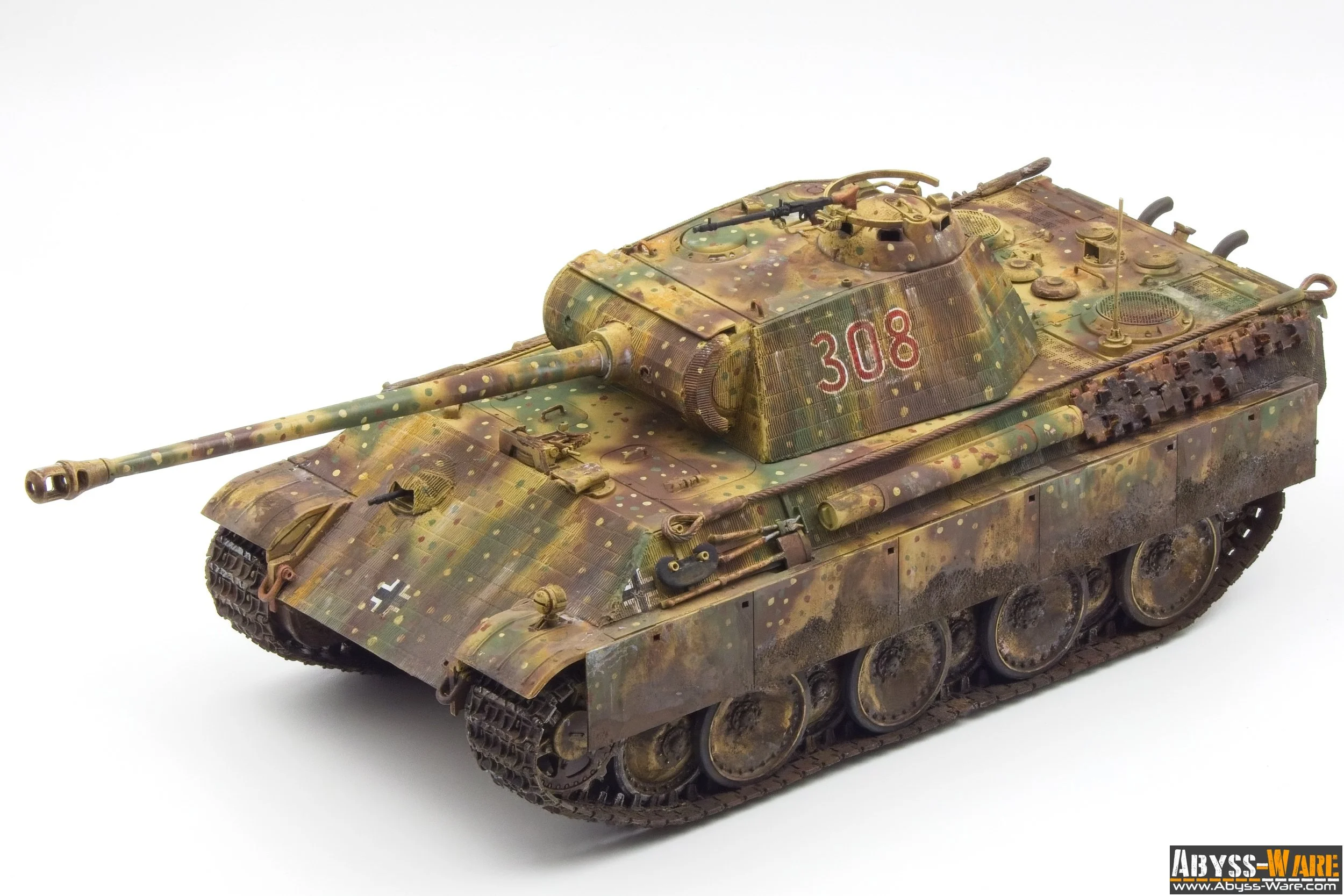
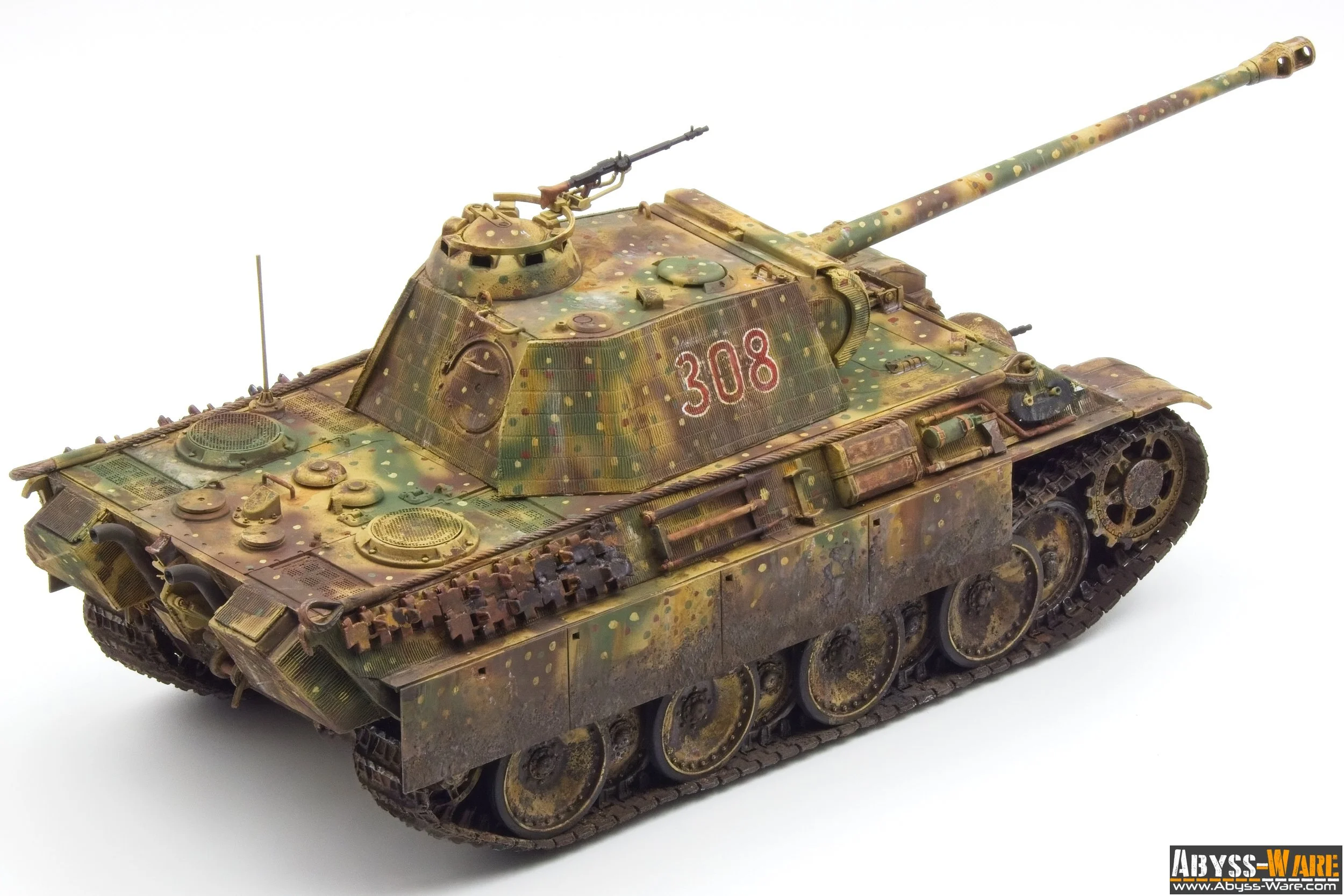
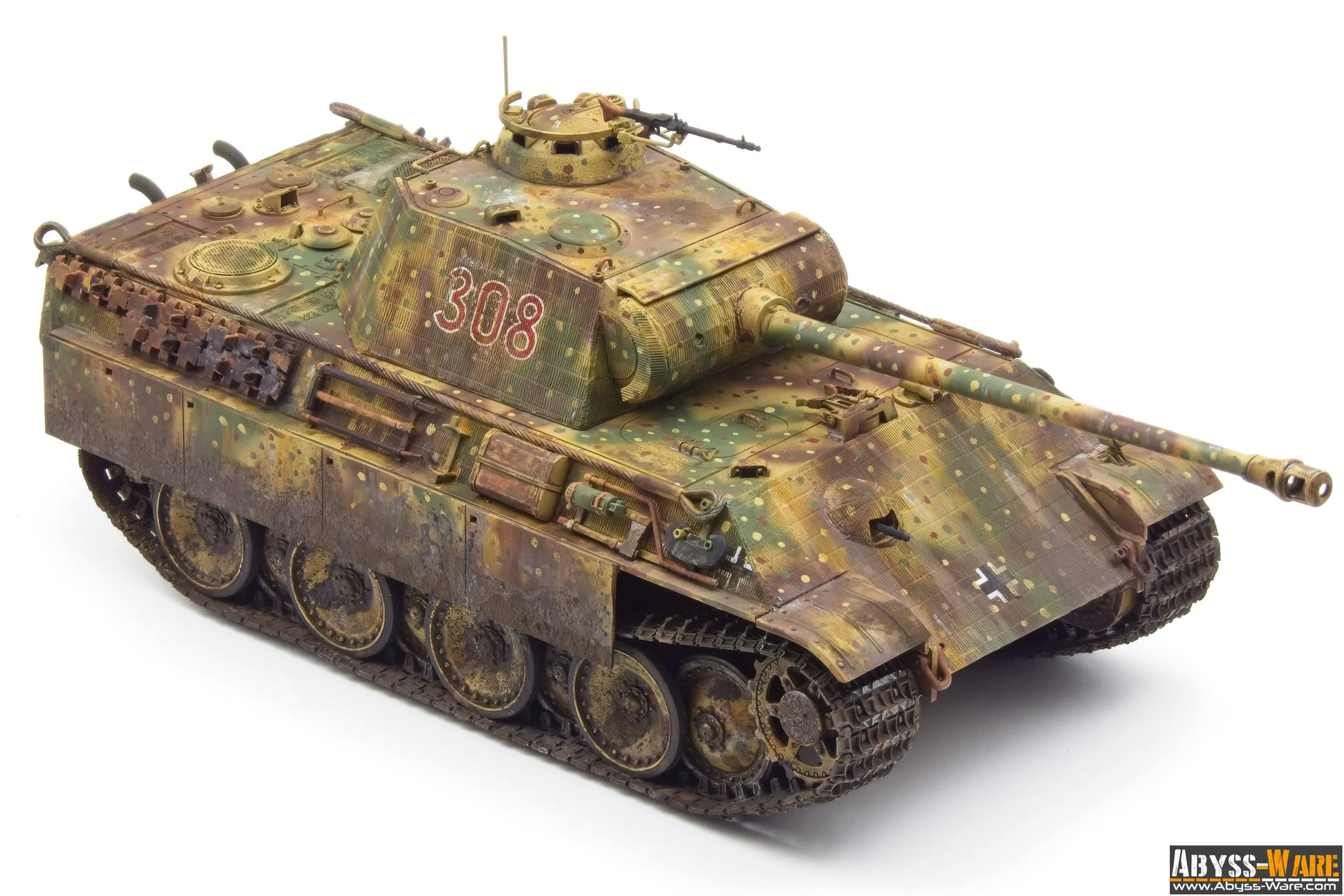
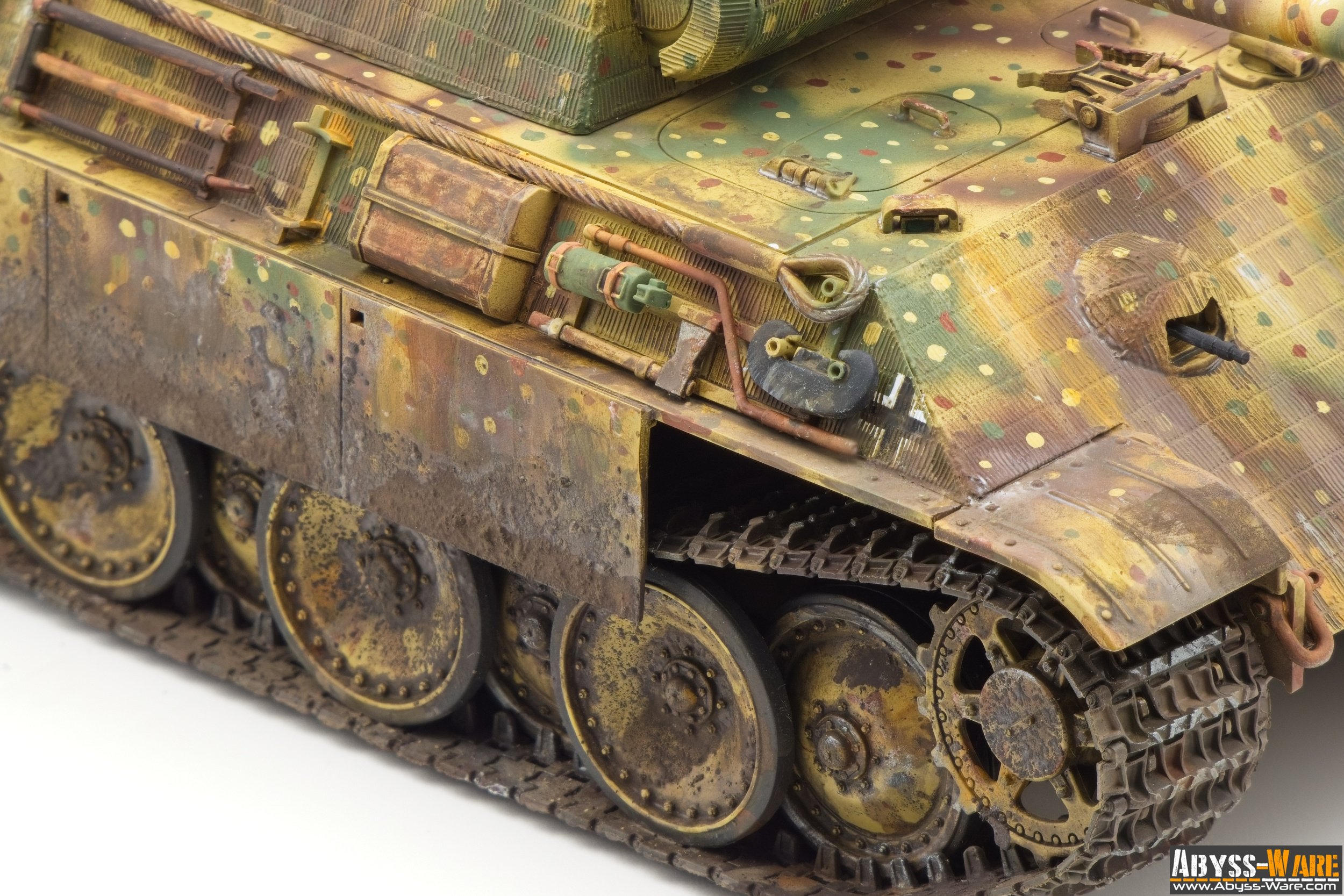
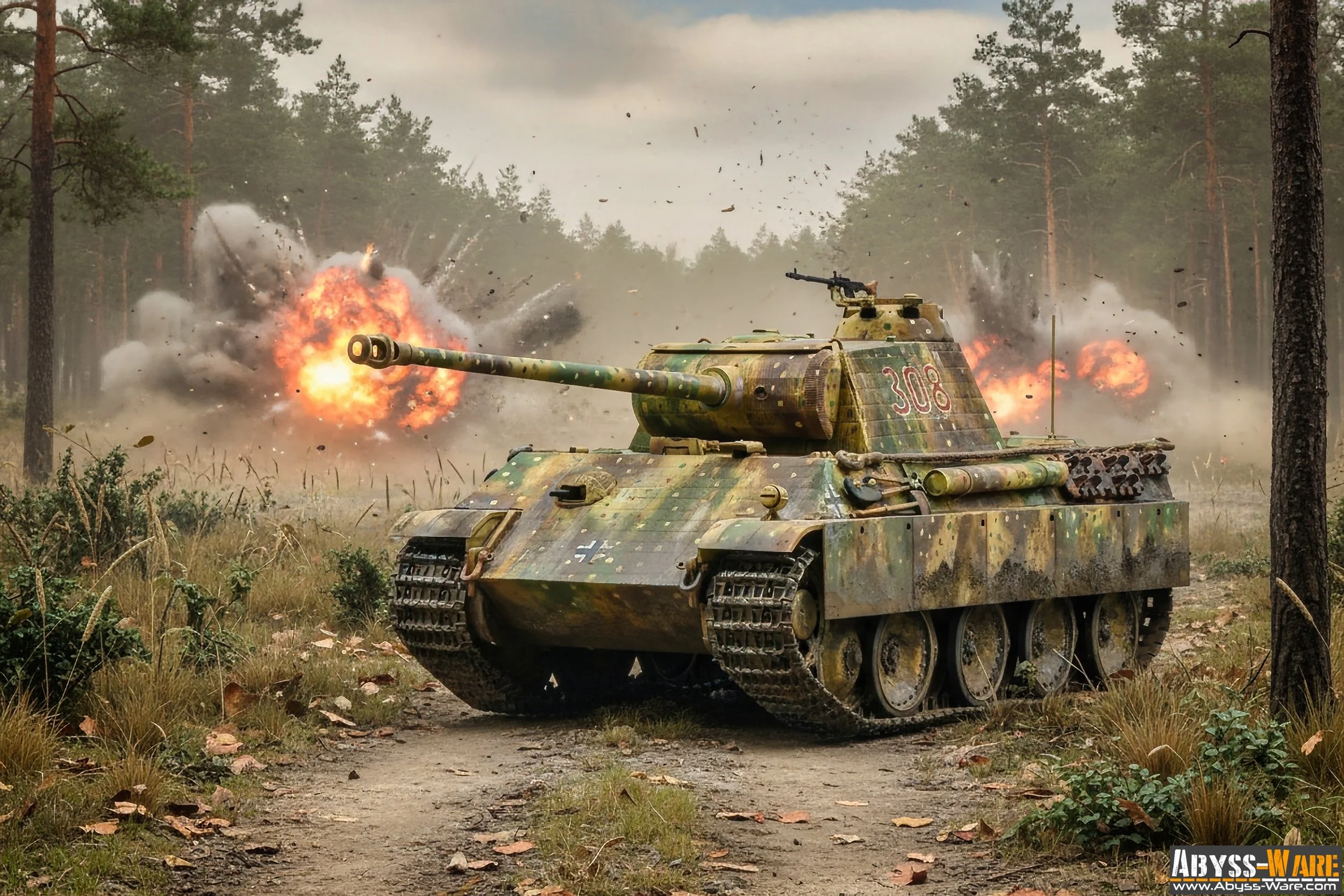
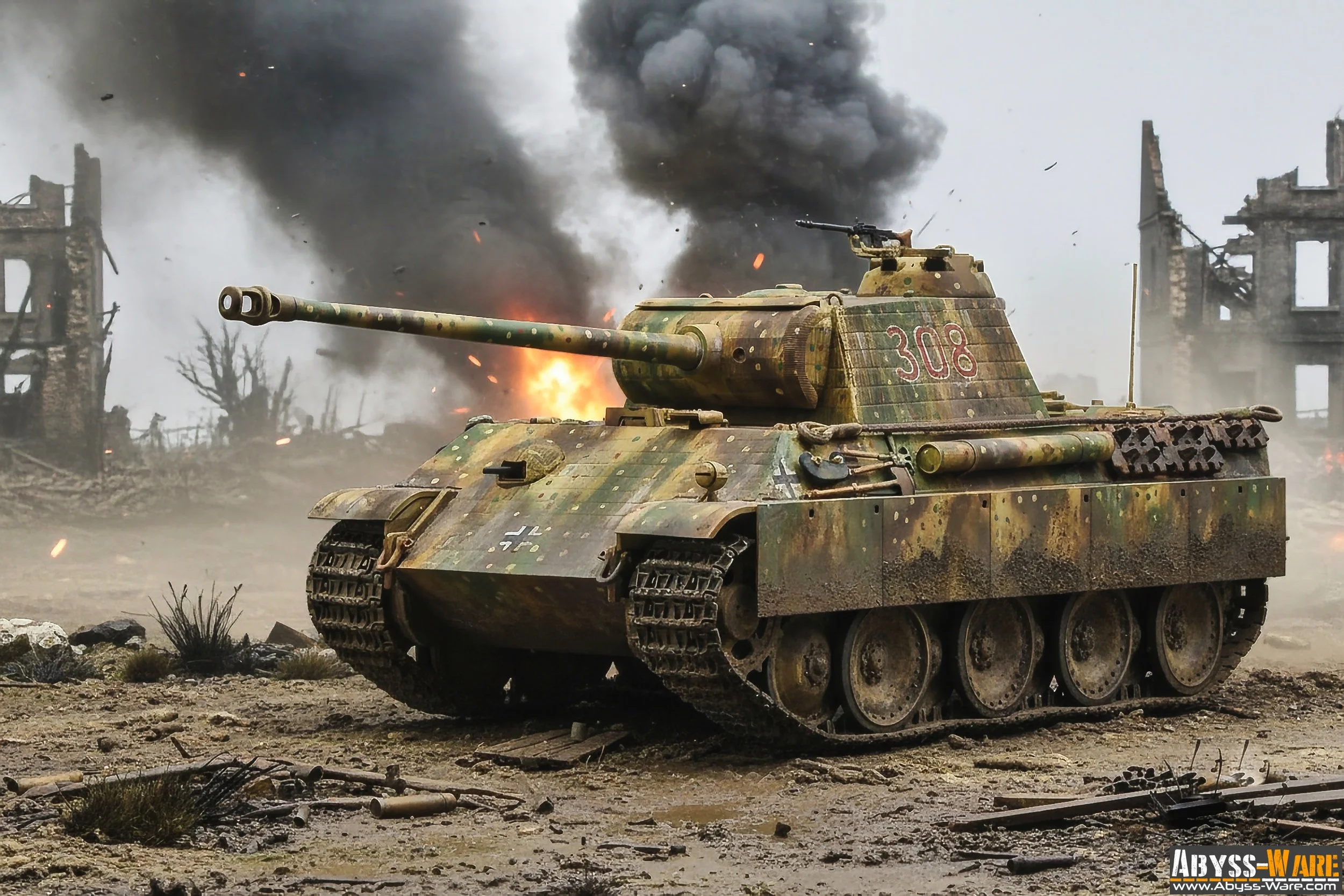
Note: The images presented bellow feature photographs of actual scale models, enhanced with AI-generated backgrounds and environments for visual effect. These visuals are intended for illustrative and artistic purposes only and should not be interpreted as real photographs or historical references.
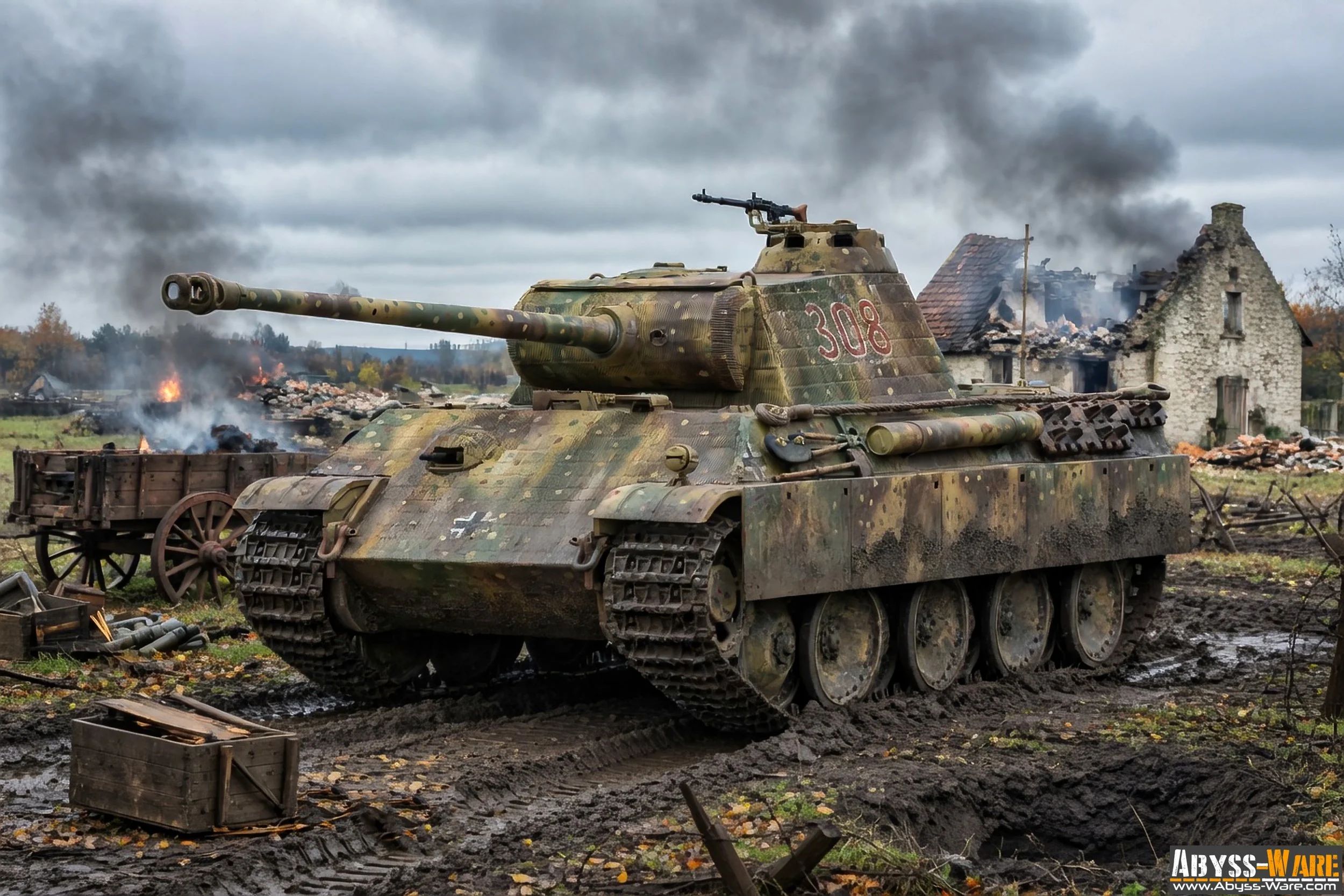
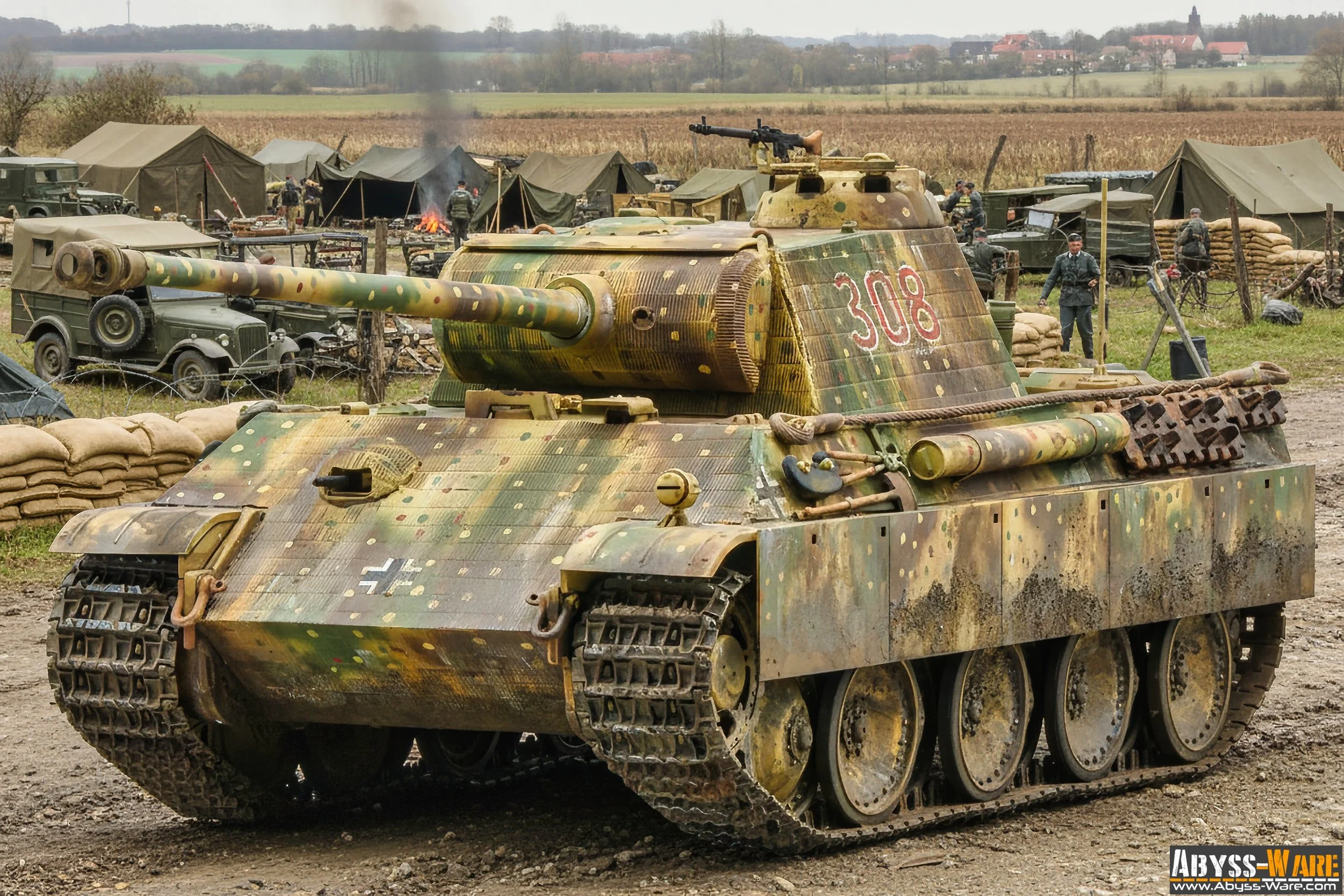
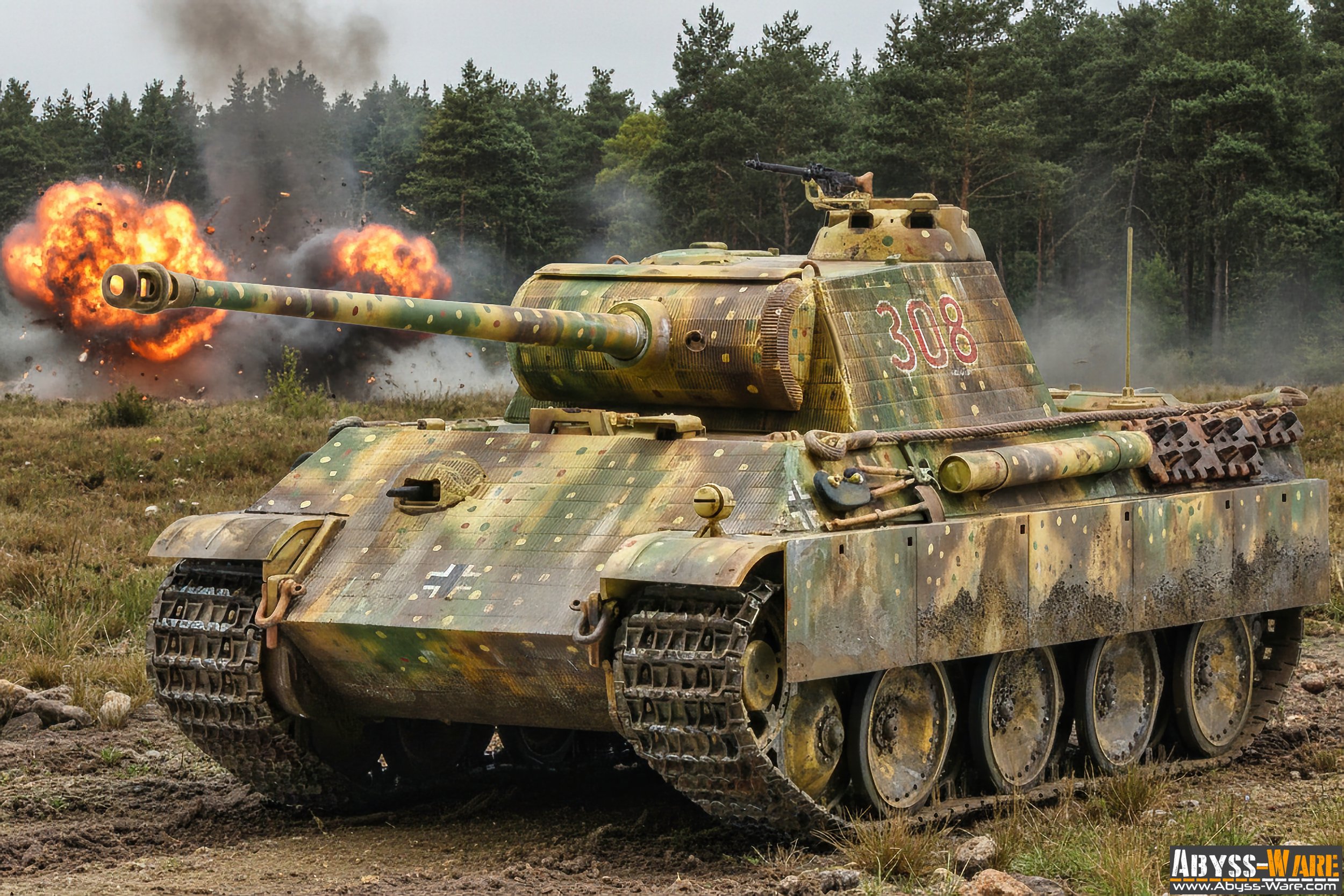
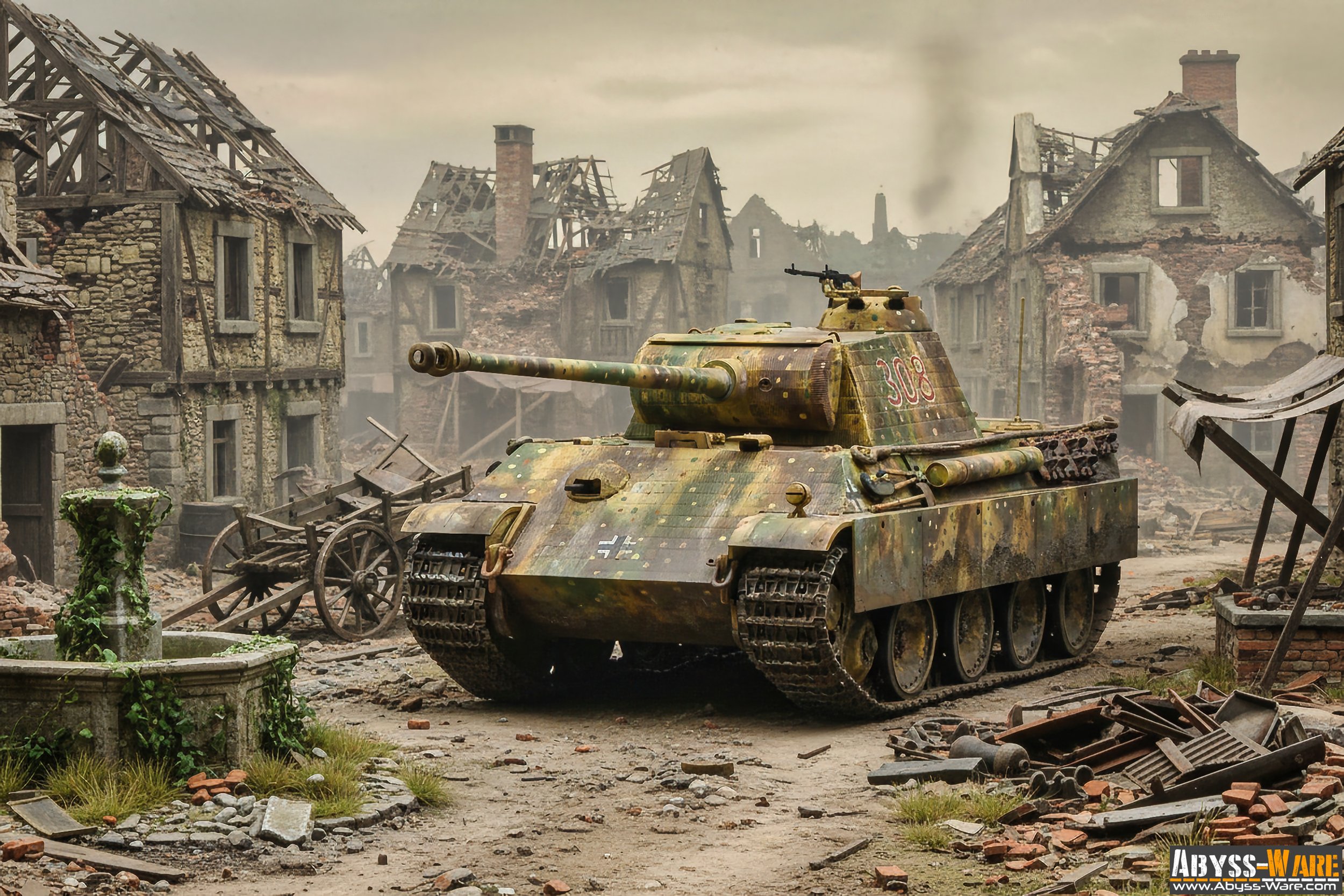
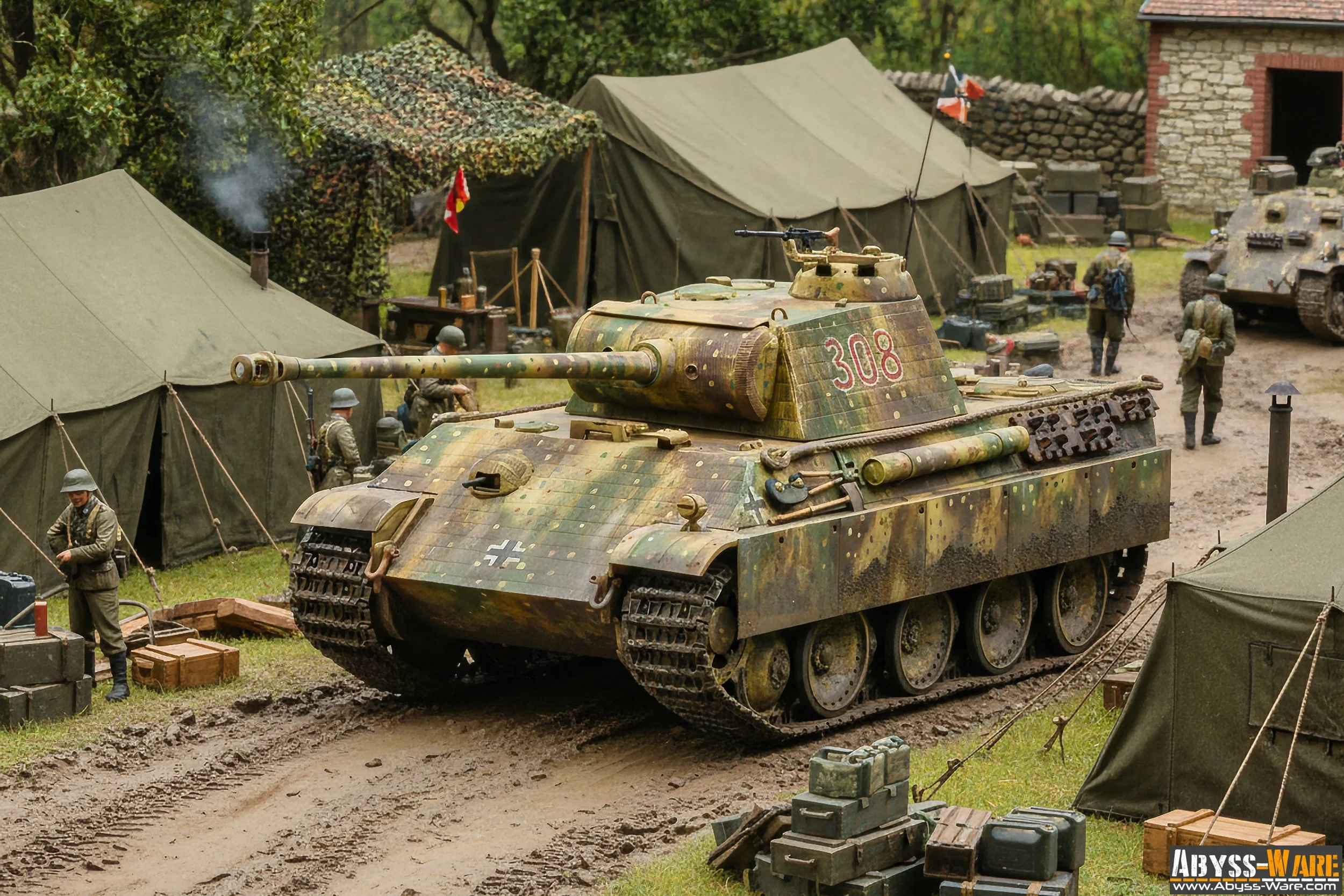
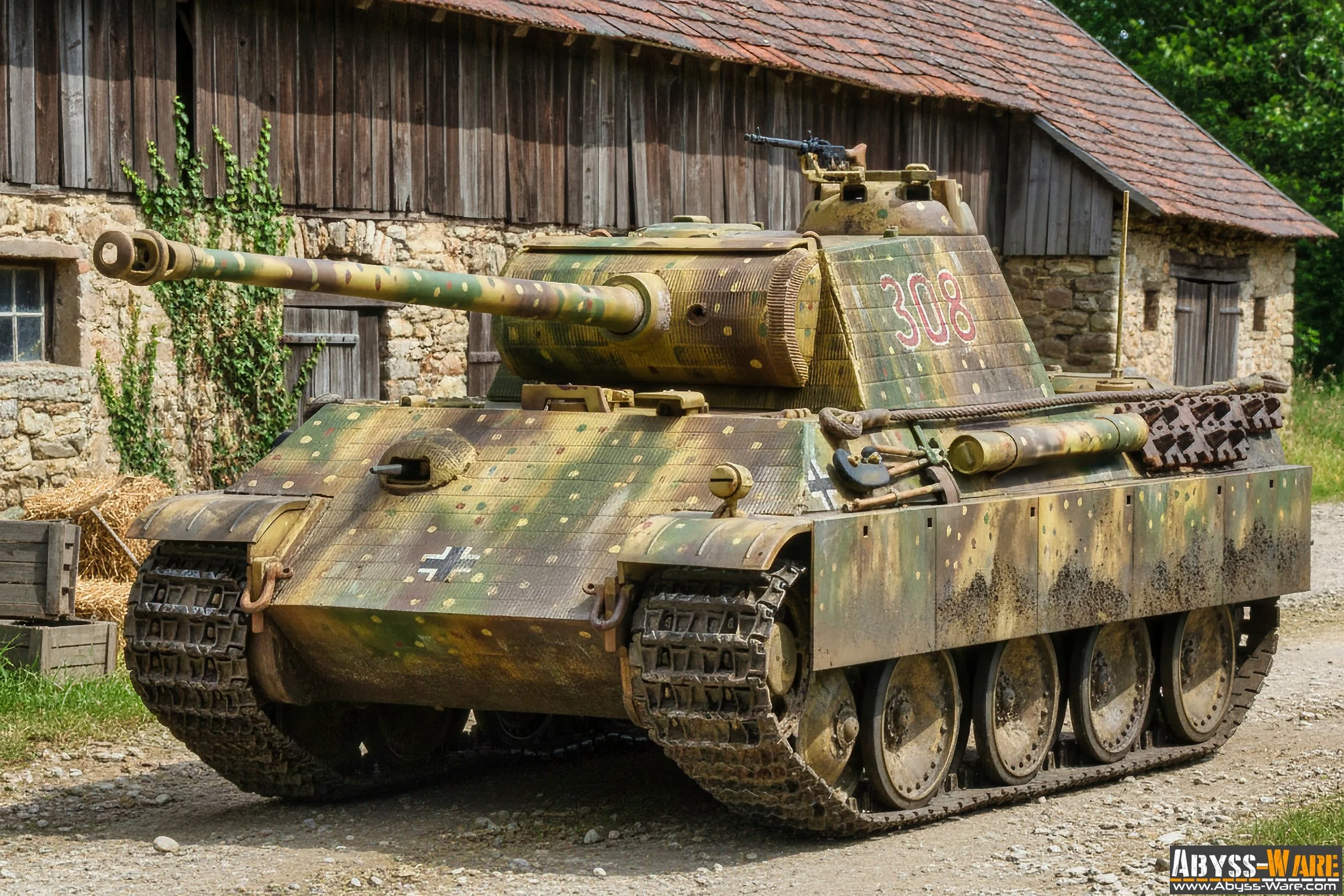
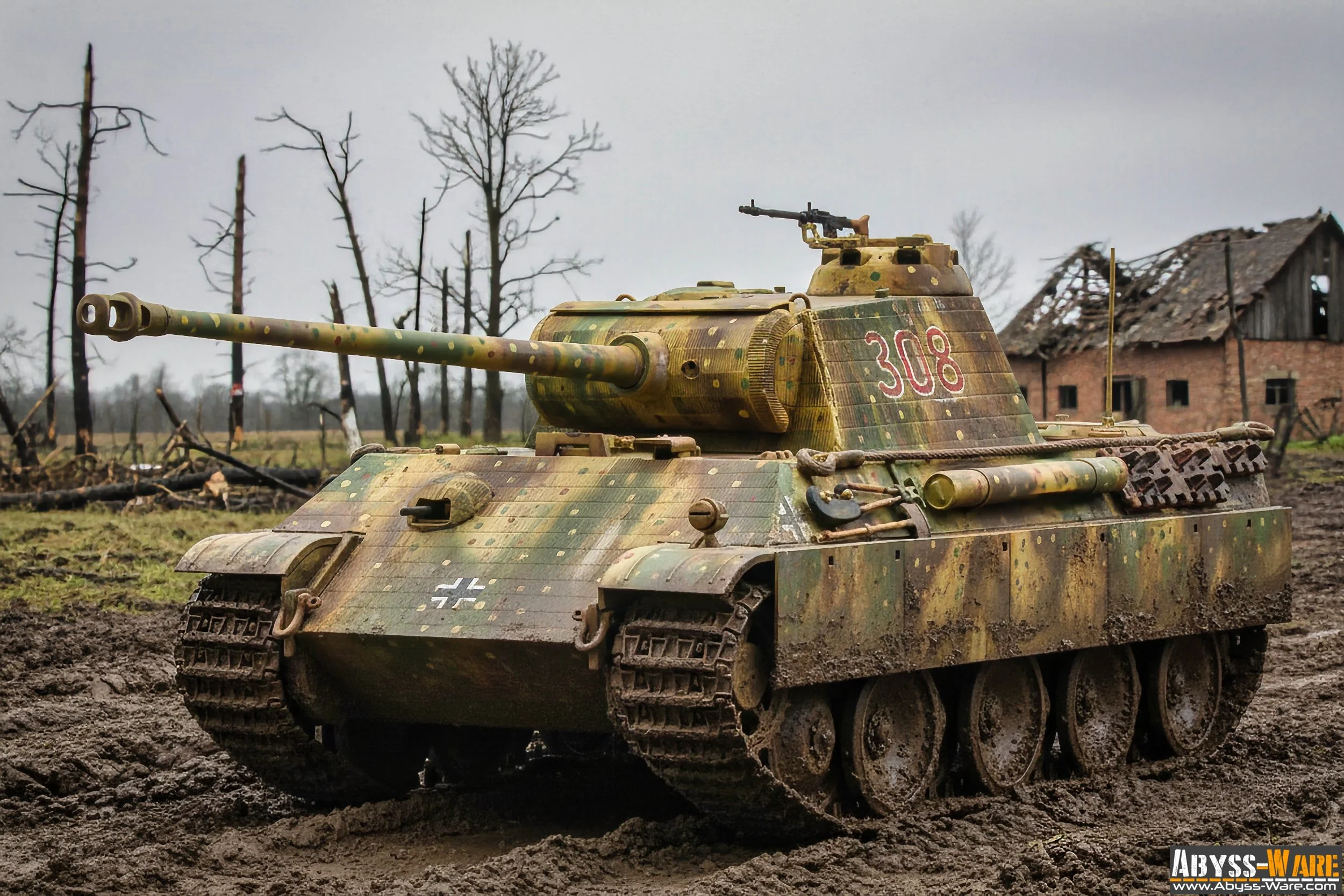
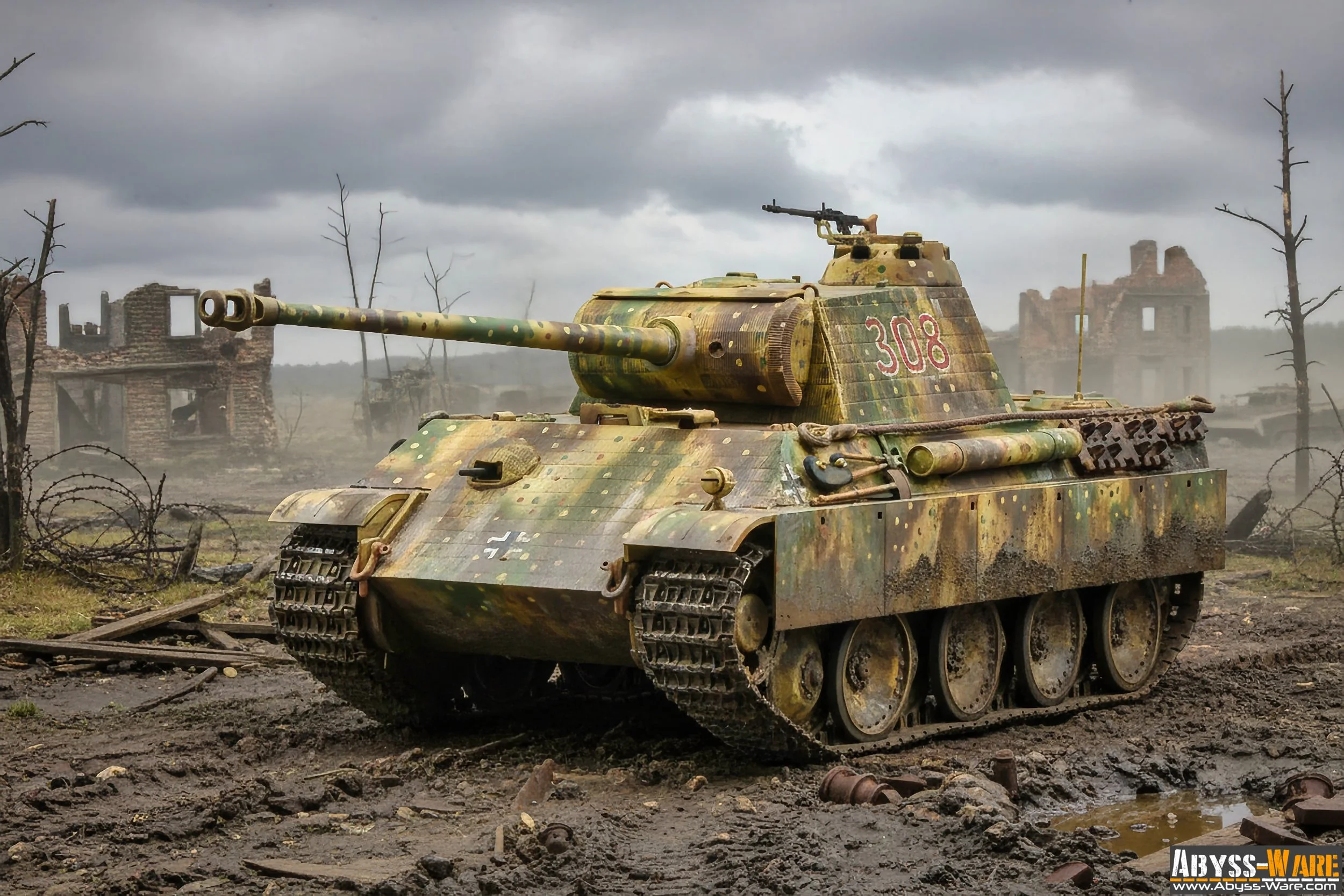
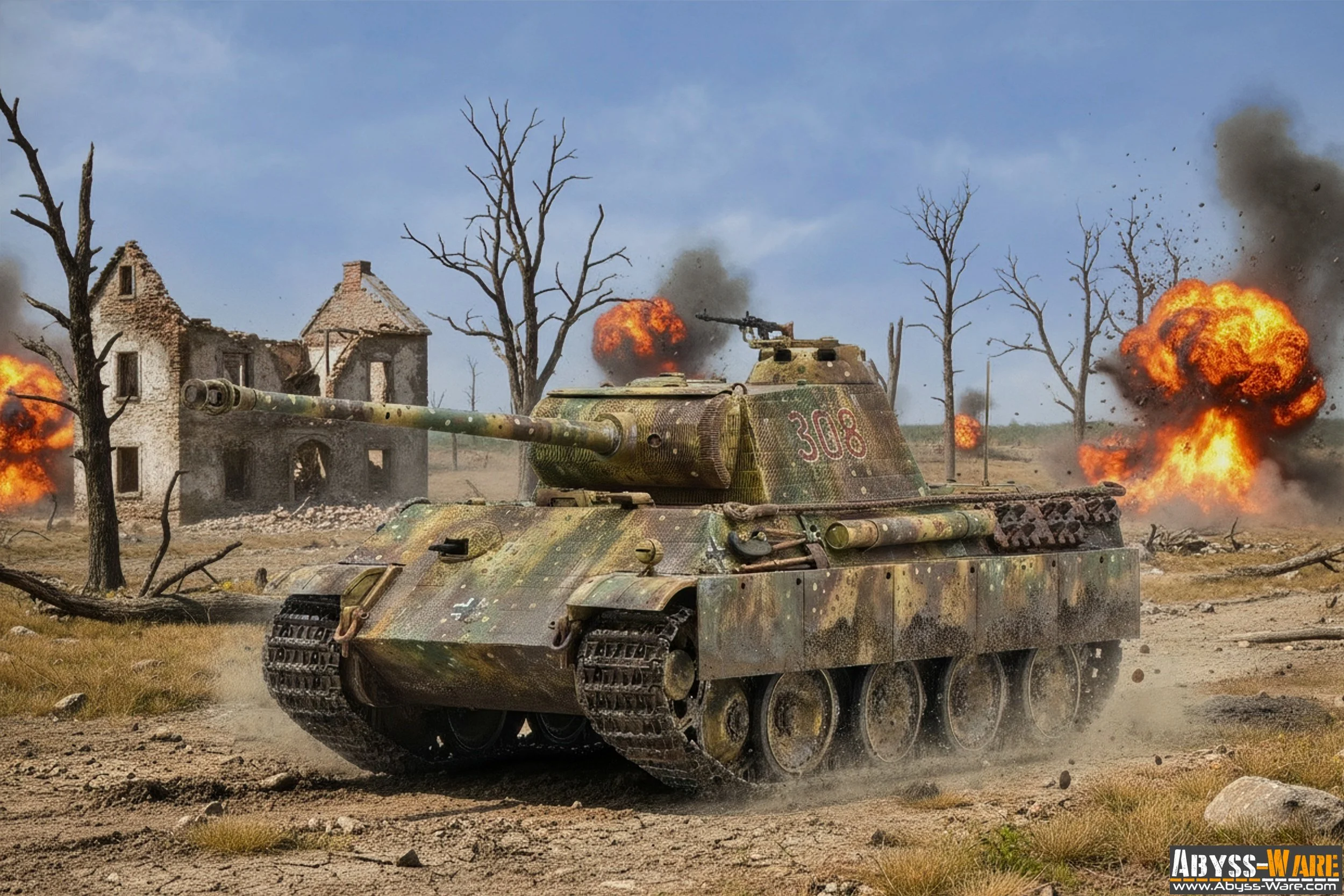
The Panther Tank: Germany's Formidable WWII Medium Tank
The Panther tank, officially designated as Panzerkampfwagen V Panther (abbreviated Pz.Kpfw. V) with the ordnance inventory designation Sd.Kfz. 171, stands as one of the most iconic and debated armored vehicles of World War II. Introduced by Nazi Germany in mid-1943, it represented a technological leap in tank design, blending firepower, protection, and mobility in a way that challenged Allied armor on multiple fronts. Often hailed as one of the best tanks of the war, the Panther was born out of necessity during the brutal Eastern Front campaigns, where German forces encountered the Soviet T-34 and KV-1 tanks that outmatched their existing Panzer III and IV models. Weighing around 44.8 tonnes and classified as a medium tank, it paradoxically rivaled the weight of many Allied heavy tanks, yet its sloped armor and high-velocity gun made it a deadly adversary in open terrain. The Panther's development was rushed, leading to initial mechanical unreliability, but iterative improvements turned it into a reliable machine by late 1944. Approximately 6,000 units were produced, serving primarily on the Eastern Front but also in Italy, Normandy, and the Ardennes Offensive. Its 75 mm KwK 42 L/70 gun could penetrate most Allied tanks at long ranges, while its Maybach HL230 V12 engine provided speeds up to 55 km/h on roads. However, vulnerabilities like thin side armor, complex maintenance, and resource shortages hampered its full potential. This article delves into the Panther's history, design, variants, combat record, and enduring legacy, drawing on historical analyses to provide a comprehensive view of this engineering marvel and its role in the war.
Development History
The origins of the Panther trace back to the early days of Operation Barbarossa in June 1941, when German troops first encountered the Soviet T-34. The T-34's sloped armor, wide tracks, and potent 76.2 mm gun exposed the limitations of Germany's Panzer III and IV tanks, which struggled to penetrate the Soviet medium tank's defenses. A special Panzerkommission, led by figures like Heinz Guderian, was dispatched to study captured T-34s. Their findings emphasized the need for a new German tank with similar sloped armor, enhanced mobility, and superior firepower to counter the Soviet threat. Development began in earnest in 1941 under the VK 30.01 project, initially aimed at a 30-tonne vehicle. However, encounters with heavier Soviet tanks prompted revisions, increasing the weight specification to around 35 tonnes. Contracts were awarded to Daimler-Benz (DB) and MAN AG in January 1942 for prototypes designated VK 30.02. DB's design closely mimicked the T-34, featuring a diesel engine, rear drive sprockets, and leaf-spring suspension to maximize internal space and armor sloping. In contrast, MAN's proposal used a gasoline engine, front drive sprockets, a central turret position, and a torsion bar suspension with interleaved Schachtellaufwerk road wheels—elements borrowed from existing German designs for faster production.
The prototypes were evaluated from January to March 1942. Initially, Armaments Minister Fritz Todt favored the DB design for its T-34-like efficiency, but after Todt's death, his successor Albert Speer and Adolf Hitler opted for MAN's version in May 1942. Hitler's influence was significant; he demanded thicker armor (up to 100 mm on the glacis) and a longer gun, pushing the weight to nearly 45 tonnes. This decision prioritized combat effectiveness over ease of production, a recurring theme in German wartime engineering. The MAN prototype was completed in September 1942, tested at Kummersdorf, and accepted despite ongoing issues with hull machining tools.
Rheinmetall was tasked with the turret, incorporating the 75 mm KwK 42 L/70 gun. Early prototypes used the Maybach HL210 P30 engine (650 hp), but production shifted to the HL230 P30 (690 hp) for better performance. The rushed timeline—Hitler wanted the tank ready for the 1943 summer offensive—led to teething problems, including engine fires and transmission failures. Despite these, the Panther entered service as the Pz.Kpfw. V in February 1943, skipping traditional alphabetical variant naming and starting with Ausf. D. Further developments included the Panther II, initiated in April 1943 at Hitler's insistence for even thicker armor (100 mm glacis, 60 mm sides) and greater commonality with the Tiger II. It aimed for a 50-tonne vehicle with Tiger components, but the project was abandoned by mid-1943, with elements merged into the E-50 program. Experimental upgrades, like the Schmalturm narrow turret and potential 8.8 cm KwK 43 L/71 gun, were explored but never fully realized due to the war's end. The development process highlighted Germany's engineering prowess but also its flaws: over-engineering, Hitler's interventions, and resource constraints. By comparison, the Soviet T-34 emphasized simplicity and mass production, allowing for overwhelming numbers despite individual inferiority in some aspects.
Design Features
The Panther's design prioritized a balanced triad of firepower, protection, and mobility, making it superior to many contemporaries in open engagements. Its hull measured 6.87 m long (8.66 m with gun), 3.42 m wide with skirts, and 2.99 m high, accommodating a crew of five: driver, radio operator/hull machine gunner, commander, gunner, and loader.
Armor and Protection
The Panther's hallmark was its sloped armor, inspired by the T-34. The front glacis was 80 mm thick at 55 degrees, providing effective protection equivalent to over 140 mm of vertical armor against most Allied guns. Sides were 40-50 mm at 30-40 degrees, rear 40 mm at 30 degrees, and turret front 100 mm rounded. This design deflected shots effectively but created vulnerabilities: the sides were thin and prone to flanking fire, and the curved mantlet could ricochet rounds downward into the hull roof (a "shot trap" addressed in later models with a "chin" mantlet). Armor was initially face-hardened but shifted to homogeneous rolled plates due to alloy shortages (nickel, molybdenum) from Allied bombings post-1943, leading to increased brittleness. U.S. tests in 1944 noted cracking under fire. Additional protections included 5 mm Schürzen skirts against anti-tank rifles and Zimmerit anti-magnetic paste (applied from September 1943 but discontinued in September 1944 over unfounded fire risks). Crews often added spare tracks or wheels for extra side protection.
Armament
The main gun was the 75 mm KwK 42 L/70, a high-velocity weapon with a muzzle velocity of 1,120 m/s for APCBC rounds, penetrating 138 mm at 1,000 m (up to 194 mm with rare APCR tungsten rounds). It fired APCBC-HE (Pzgr. 39/42), HE (Sprgr. 42), and APCR (Pzgr. 40/42), with 79-82 rounds stored (mostly in hull sponsons, vulnerable to penetration-induced fires). The gun outperformed the Tiger I's 88 mm in anti-tank penetration but had weaker HE shells. Secondary armament included two 7.92 mm MG 34s (coaxial and hull-mounted, 5,100 rounds), with later models adding a Nahverteidigungswaffe close-defense mortar. Sights evolved from the binocular TZF 12 on Ausf. D to the monocular TZF 12a on Ausf. A/G, offering 2.5x/5x magnification. Turret traverse was hydraulic, up to 24 degrees/second, with manual backup.
Engine and Mobility
Powered by the Maybach HL230 P30 V12 gasoline engine (23 liters, 690 hp at 3,000 rpm), the Panther achieved 55 km/h on roads (reduced to 46 km/h in later models for reliability) and 30 km/h off-road. Fuel capacity was 730 liters, yielding a 260 km road range or 100 km cross-country. The power-to-weight ratio of 15.39 PS/tonne enabled good mobility despite the weight. The ZF AK 7-200 transmission offered seven forward and one reverse gear, but early double-spur final drives were prone to failure under stress. Suspensions used double torsion bars for long travel, paired with interleaved Schachtellaufwerk wheels (860 mm diameter) for low ground pressure (0.88 kg/cm²) and excellent flotation on soft terrain. However, this system clogged with mud or ice and was labor-intensive to repair - outer wheels often needed removal to access inner ones. Wide 660 mm tracks enhanced cross-country performance, surpassing the Tiger I. The design was watertight for fording up to 1.9 m, but overheating and fuel leaks caused early fires, mitigated by improved ventilation and seals.
Crew and Ergonomics
The crew compartment was spacious compared to earlier Panzers, with the driver using periscopes and the commander a cupola with periscopes (upgraded in Ausf. A). Radios included Fu 5 and Fu 2 for command tanks. However, the tank's height (2.99 m) made it a taller target, and limited lateral vision increased vulnerability to infantry attacks. In summary, the Panther's design was advanced but complex, requiring skilled maintenance. French post-war evaluations noted an average engine life of 1,000-1,500 km, with reliability improving over time.
Variants
The Panther evolved through several variants to address battlefield needs and production efficiencies. Designations atypically started with Ausf. D, followed by A and G, with experimental models like F and Panther II.
Ausf. D (1943) - The initial production variant, 842 built from January to September 1943. It featured the "letterbox" hull MG flap, early HL210 engine, and no side skirts initially. Reliability was poor; many broke down at Kursk. Armor: 80 mm glacis, 100 mm turret front. Rare survivors include one in Breda, Netherlands.
Ausf. A (1943-1944) - Produced from August 1943 to August 1944 (2,200 units), it incorporated fixes like the HL230 engine, ball-mounted hull MG, improved cupola, and Zimmerit. Turret traverse was enhanced, and ammunition storage adjusted. This variant saw widespread use on both fronts. Examples survive in Saumur, France, and the Canadian War Museum.
Ausf. G (1944-1945) - The most produced (about 2,961 from March 1944 to April 1945), with simplified hull (no driver's vision slit, thicker roof sections), chin mantlet to eliminate shot trap, and increased side armor to 50 mm. Late models used steel-rimmed wheels due to rubber shortages. Survivors include those in Bovington, UK, and Kubinka, Russia.
Ausf. F and Schmalturm - Experimental, with a narrow Schmalturm turret (120 mm front at 20 degrees, 60 mm sides) for better protection and smaller profile. It included a stereoscopic rangefinder and potential 8.8 cm gun. Only prototypes built; remnants in museums like Bovington.
Panther II - A heavier prototype (one chassis completed) with 100 mm glacis and Tiger II wheels. Abandoned in favor of standard Panther upgrades; the chassis is displayed in Fort Moore, USA, with a Schmalturm turret.
Specialized Variants
- Befehlspanzer Panther: Command version (329 built) with extra radios and reduced ammo.
- Bergepanther: Armored recovery vehicle (339 produced, plus conversions), armed with a spade and crane.
- Beobachtungspanzer: Artillery observer (one built).
- Jagdpanther: Tank destroyer with 88 mm PaK 43/3 L/71 in casemate (415 built), highly effective.
- Pantherturm: Static fortifications using turrets (268 installed in lines like Atlantic Wall).
Other projects like Flakpanzer Coelian (AA variant) remained conceptual. The variants reflected Germany's adaptation to wartime demands, from frontline combat to support roles, though production never met ambitious targets.
Production
Production was handled by MAN (Nuremberg, 35%), Daimler-Benz (Berlin-Marienfelde, 31%), MNH (Hannover, 31%), and Henschel (3%). Initial goals were 250 units/month, raised to 600 in January 1943, but averages were 148 in 1943 and 315 in 1944, peaking at 380 in July 1944. Total output: ~6,000, ending in March 1945 due to bombings. Costs: 117,100 Reichsmarks without optics/weapons (143,912 combat-ready), requiring 2,000 man-hours - higher than the Panzer IV but lower than the Tiger I. Streamlining under Speer improved efficiency, but Allied air raids disrupted supply chains. The Maybach engine plant was bombed in April 1944, halting output for five months; Daimler-Benz and MAN were hit multiple times. Spare parts dropped from 25-30% in 1943 to 8% in late 1944, forcing cannibalization.
Forced labor was used, reducing costs but risking sabotage. Post-war, some Panthers were completed under Allied supervision for testing, like the Bovington example. Production challenges underscored Germany's industrial strain, contrasting with Allied mass output (e.g., over 50,000 Shermans).
Combat Performance
The Panther debuted at the Battle of Kursk in July 1943, with 200 units in Panzer Abteilungen 51 and 52. Only 184 were operational on July 5; mechanical failures reduced this to 40 within days. Despite claiming 267 Soviet tanks, losses were high from breakdowns and mines. Reliability improved by late 1943, with engine and transmission fixes.
Eastern Front - The Panther excelled in defensive roles, using its long-range gun in open steppes. By September 1944, 522 were operational out of 728 on the front. It fought in retreats from Kursk, Ukraine, and Poland, with captured examples used by Soviets and Poles (e.g., Warsaw Uprising, where "Magda" liberated a camp). In 1945, it defended Berlin, with availability around 35% due to shortages. Aces like Ernst Barkmann claimed over 80 kills. However, mud, snow, and infantry ambushes exploited its sides and tracks.
Western Front - Introduced in Normandy with 156 Panthers in June 1944, rising to 432 by July. In bocage terrain, its height and limited visibility hindered it, but in open fields, it dominated Shermans at range. Battles like Caen and Dompaire saw heavy losses to flanking and air attacks. At Arracourt in September 1944, U.S. forces destroyed many in fog-shrouded engagements. The Ardennes Offensive (Battle of the Bulge) involved 400 Panthers (336 operational), where they performed well in open advances but struggled in towns. Five were disguised as M10s for Operation Greif. By January 1945, only 97 remained operational out of 282. Late-war use included static Pantherturms in fortifications.
Strengths: Superior gun (penetrating T-34 at 2,000 m), sloped armor (resisting 75 mm at 1,000 m), mobility (better than Tiger).
Weaknesses: Side vulnerability, maintenance (1,500 km between overhauls), fuel consumption, and crew training declines. French 1947 reports noted 35% availability vs. 80-90% for T-34s.
Conclusion
The Panther tank embodied German engineering ambition amid wartime desperation. Its superior design elements—sloped armor, powerful gun, and mobility-made it a feared opponent, capable of dominating engagements when operational. Yet, rushed production, mechanical issues, and logistical strains limited its impact. In the end, it could not stem the tide of Allied numerical superiority and industrial might. Today, the Panther serves as a reminder of technological innovation's role in warfare and the human cost of conflict, with its survivors drawing enthusiasts to museums worldwide. As one of WWII's premier tanks, its legacy endures in military history and design evolution.