M60 A1
TAKOM 2132
SCALE 1/35
.
;
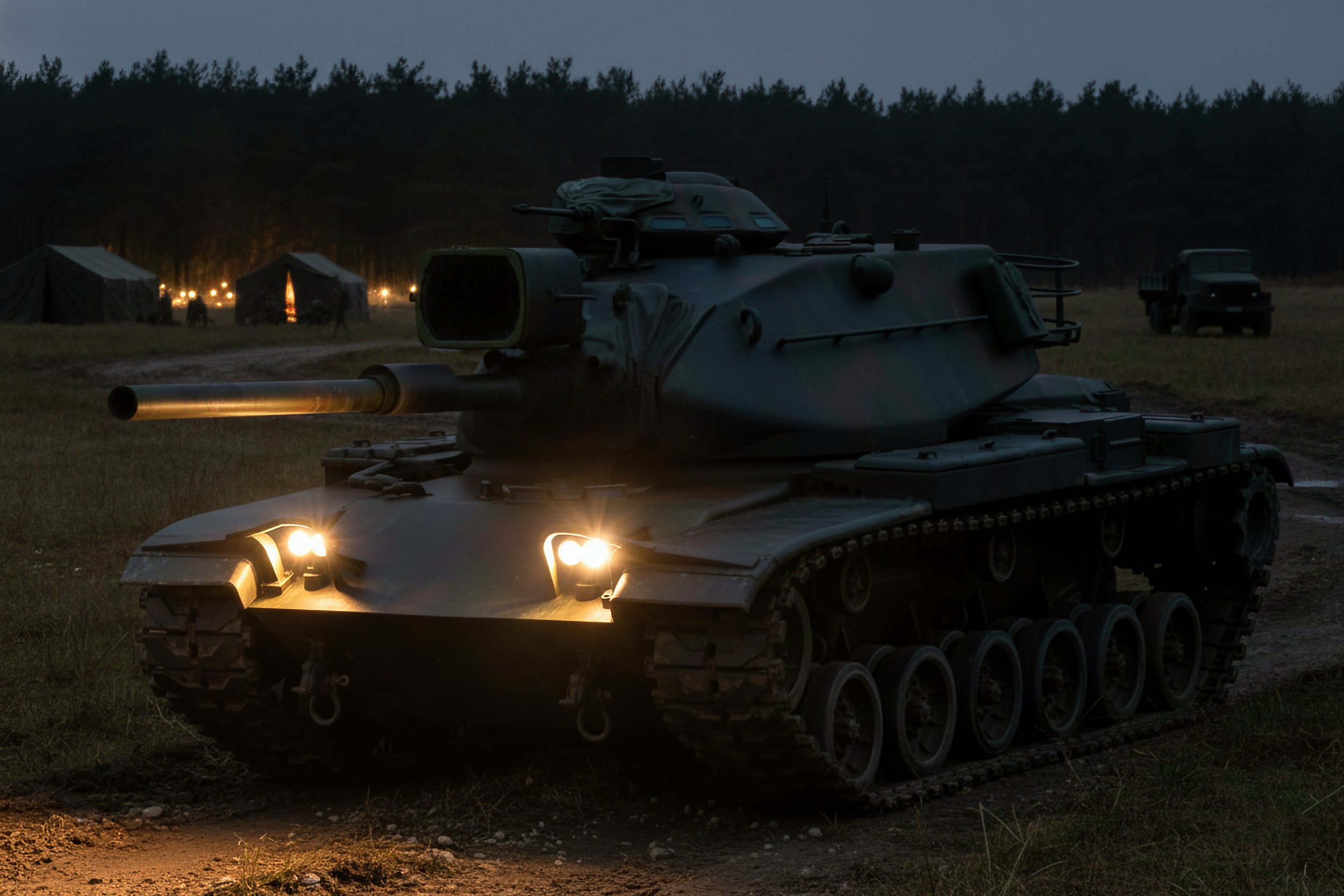
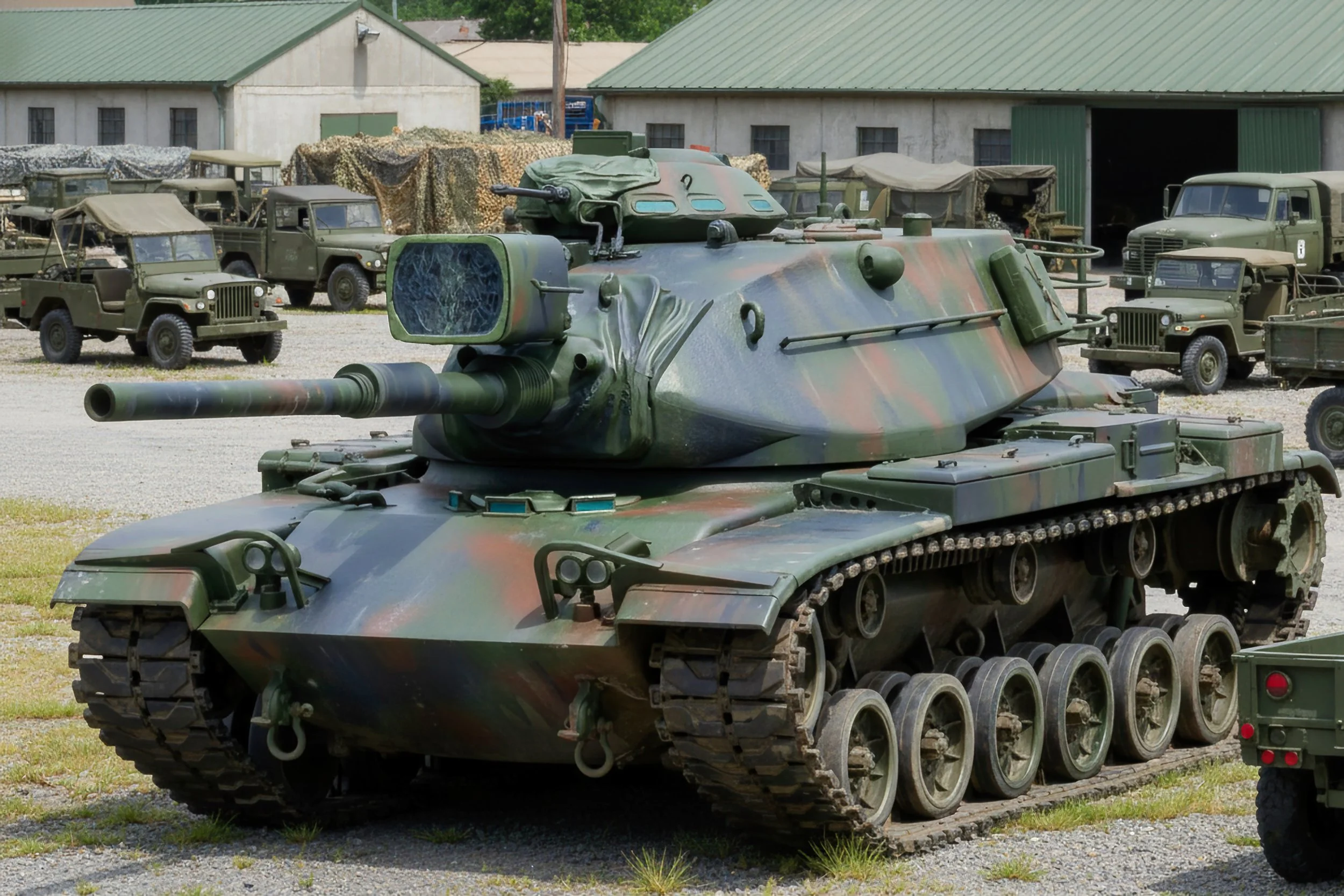
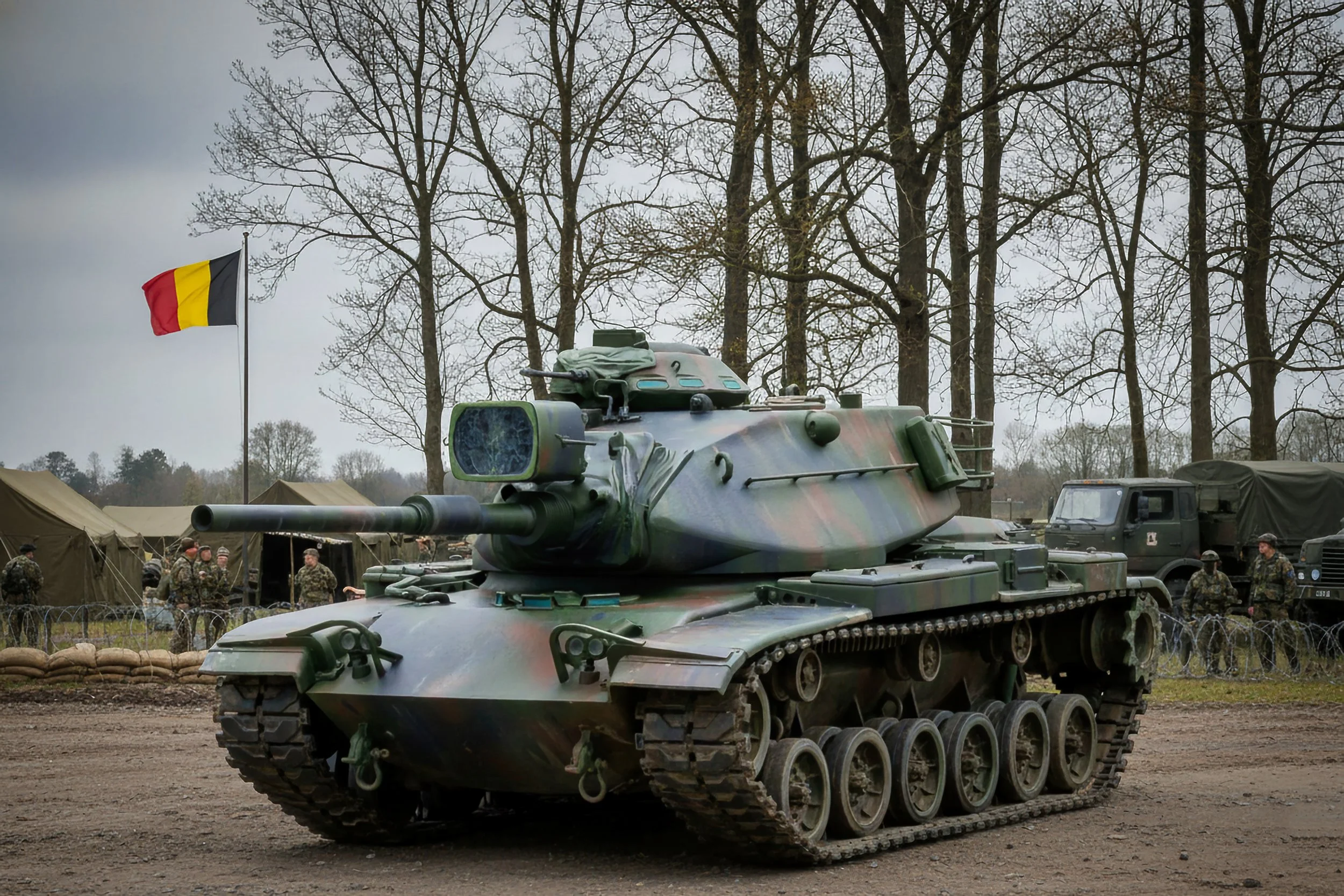
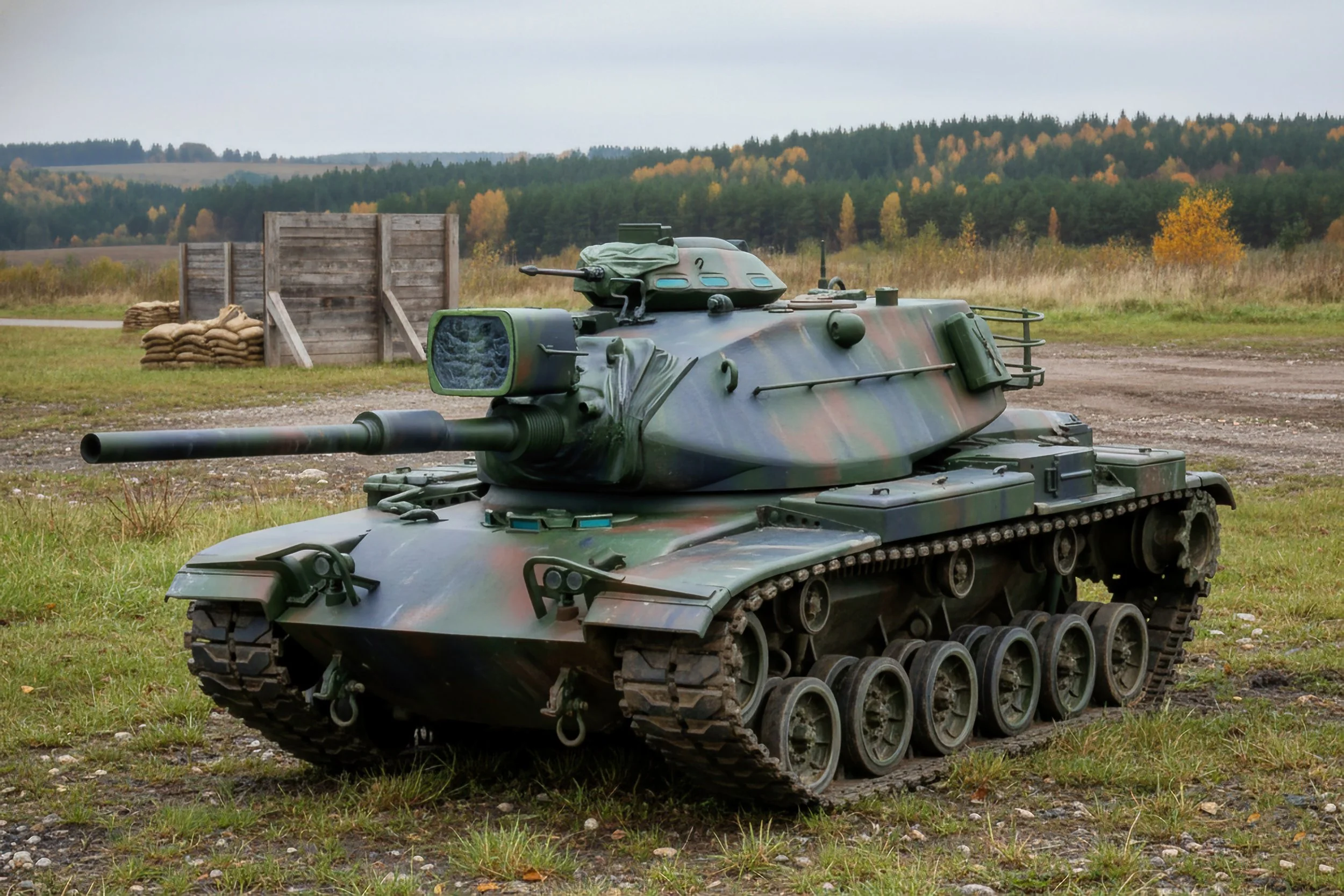
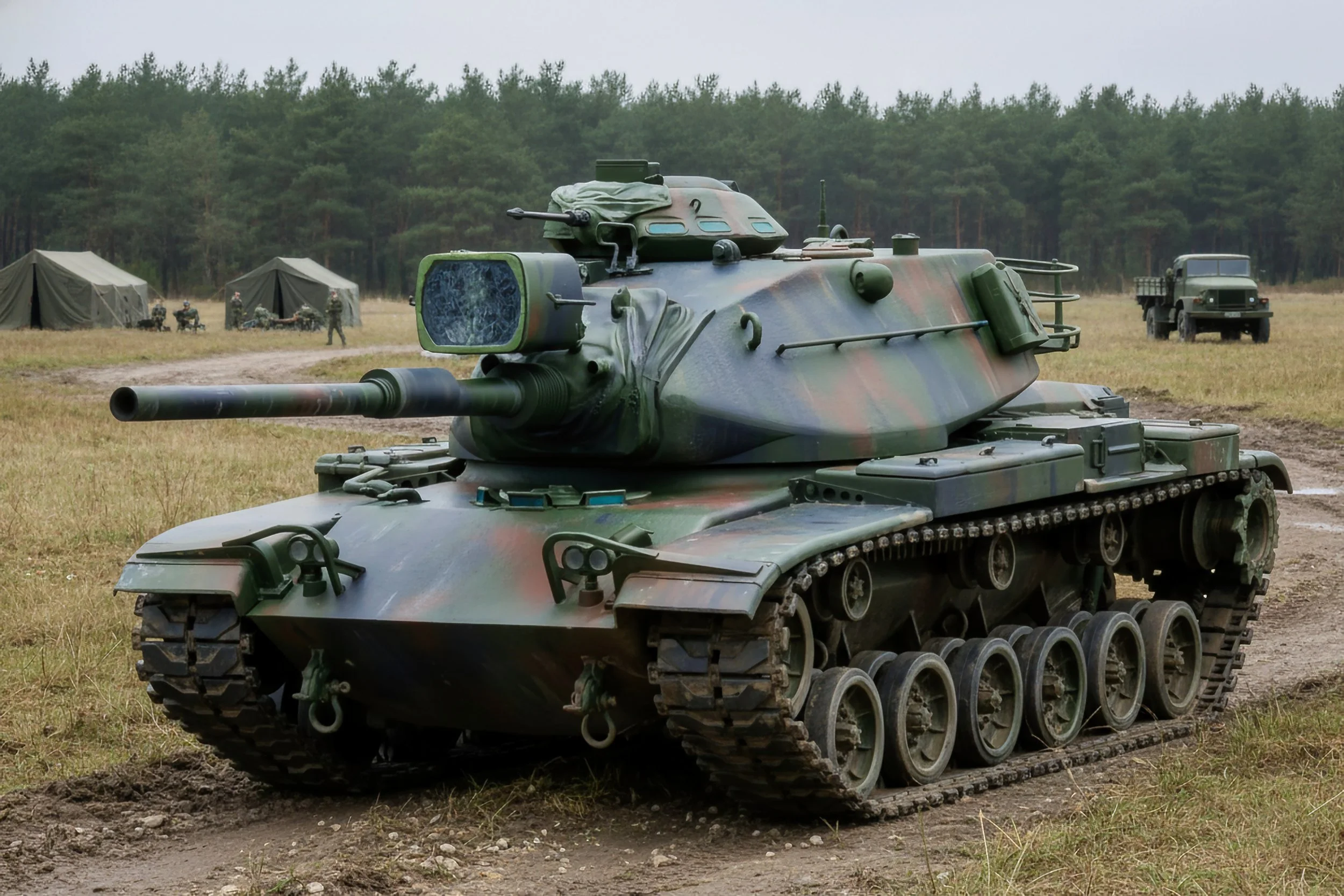
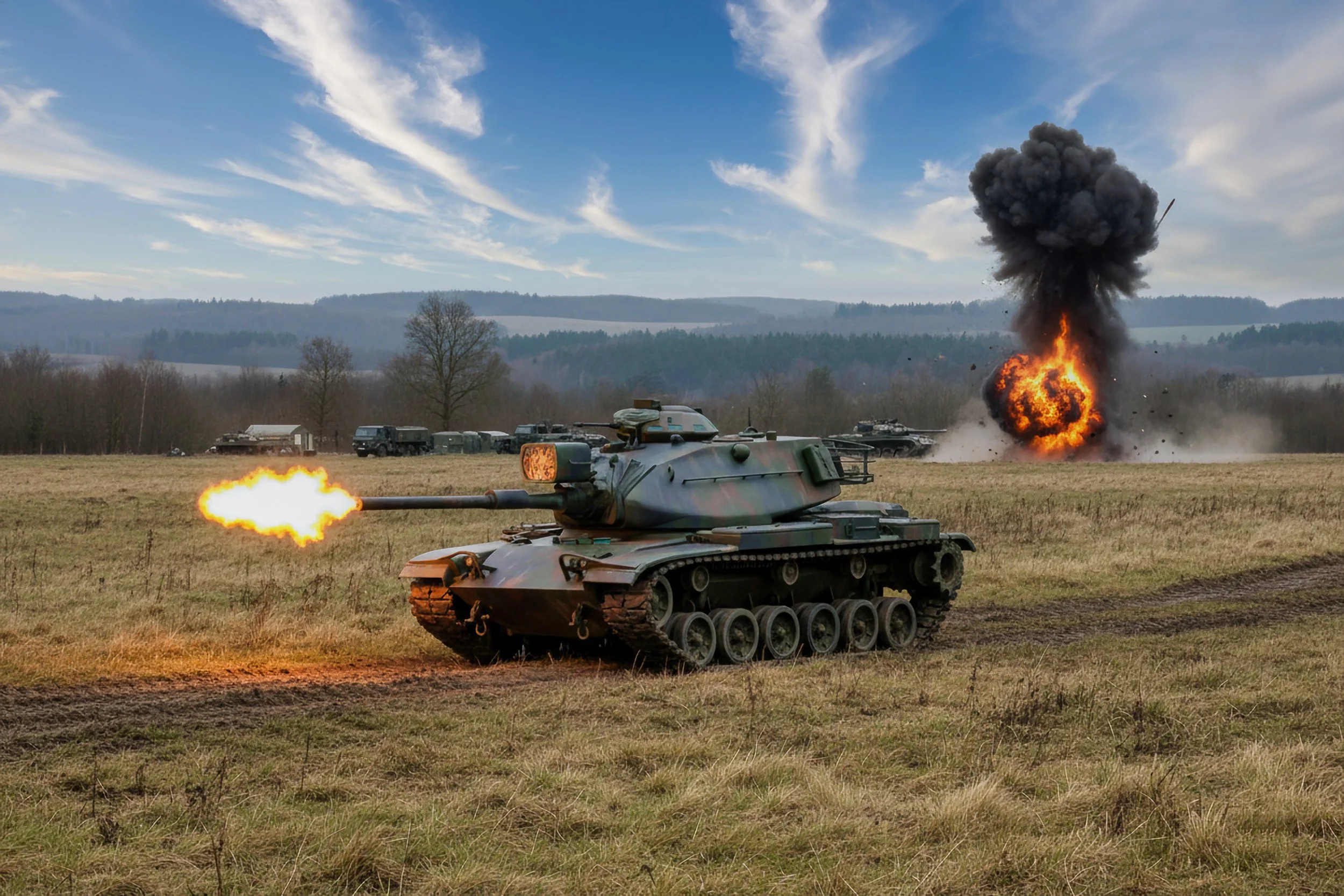
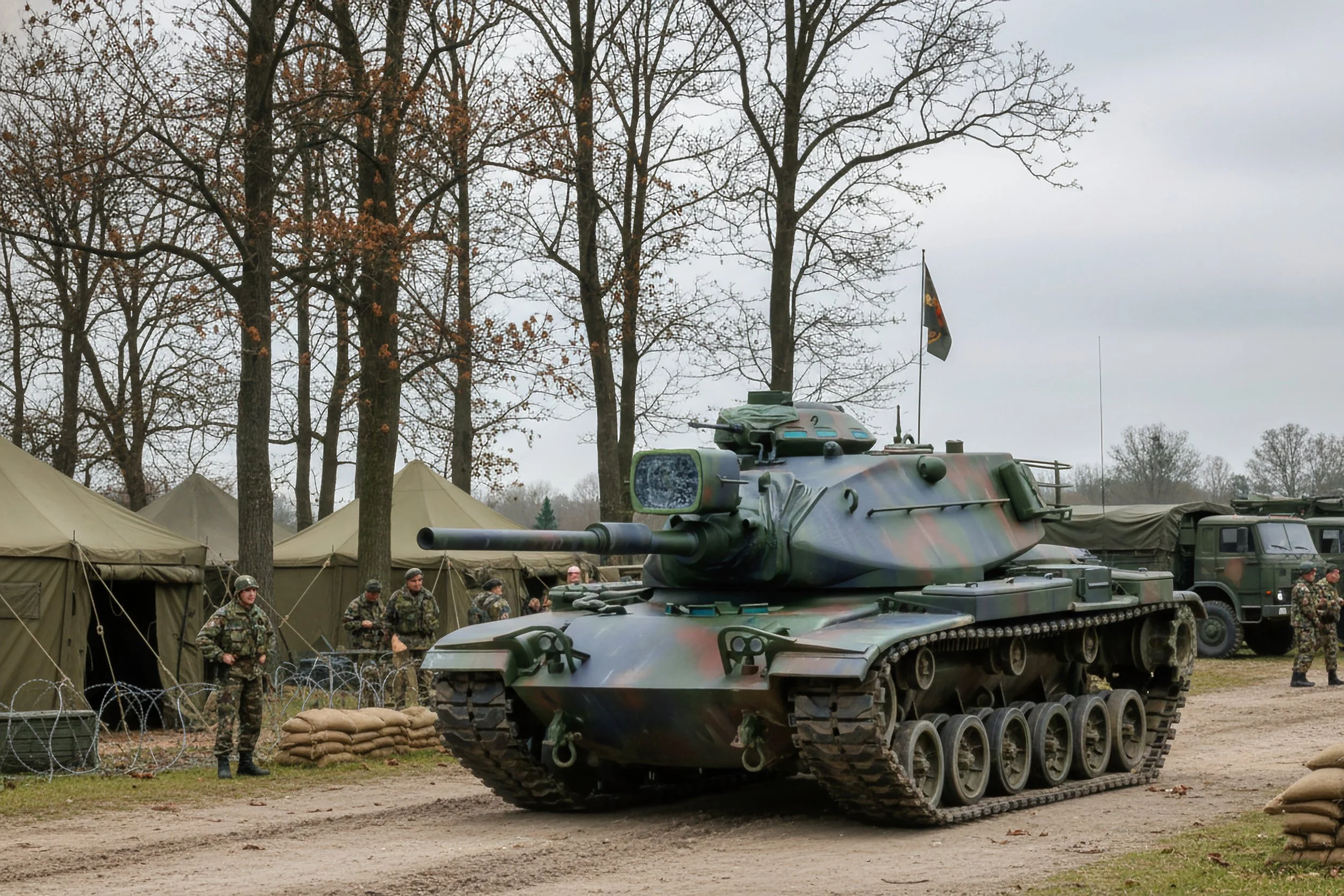
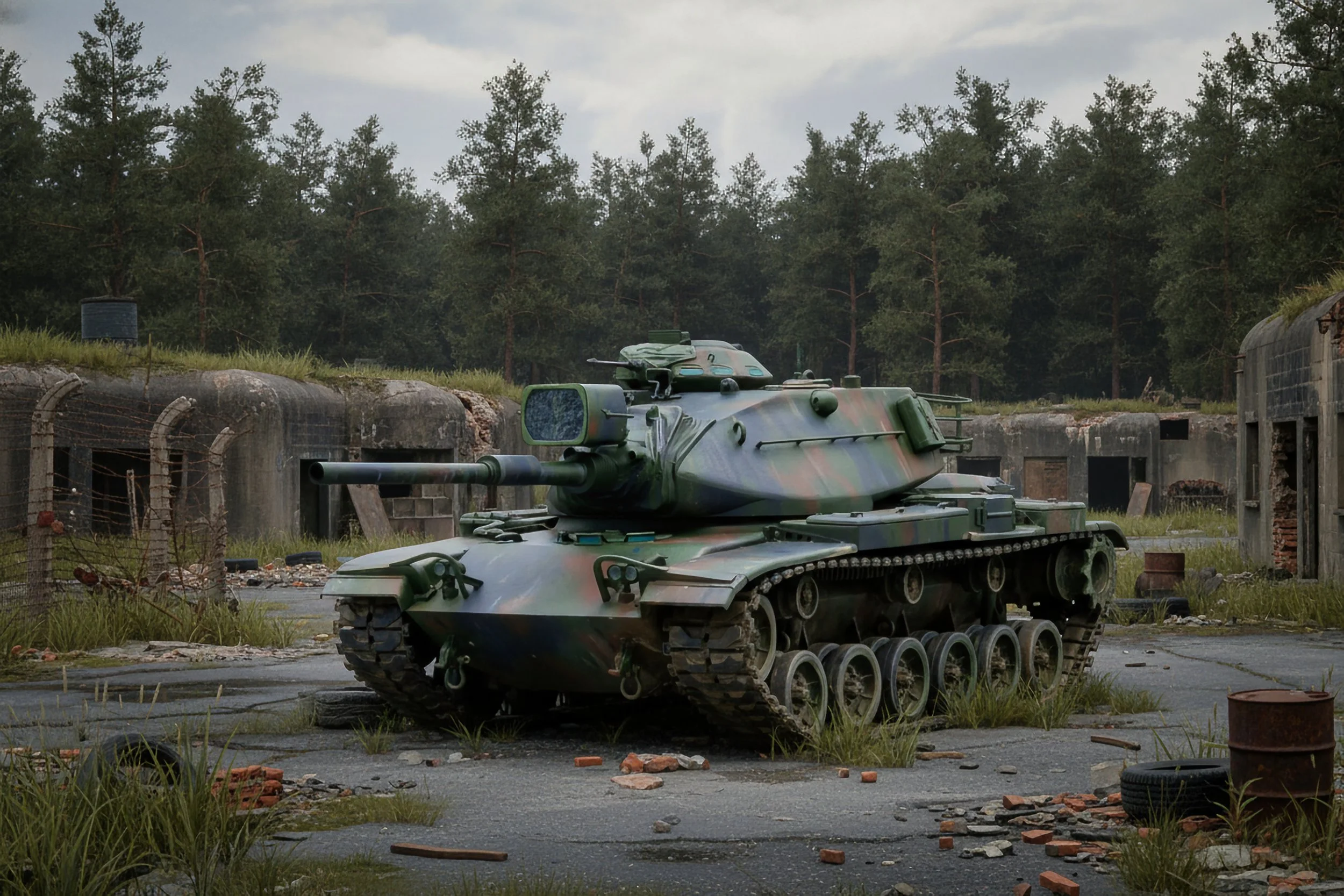
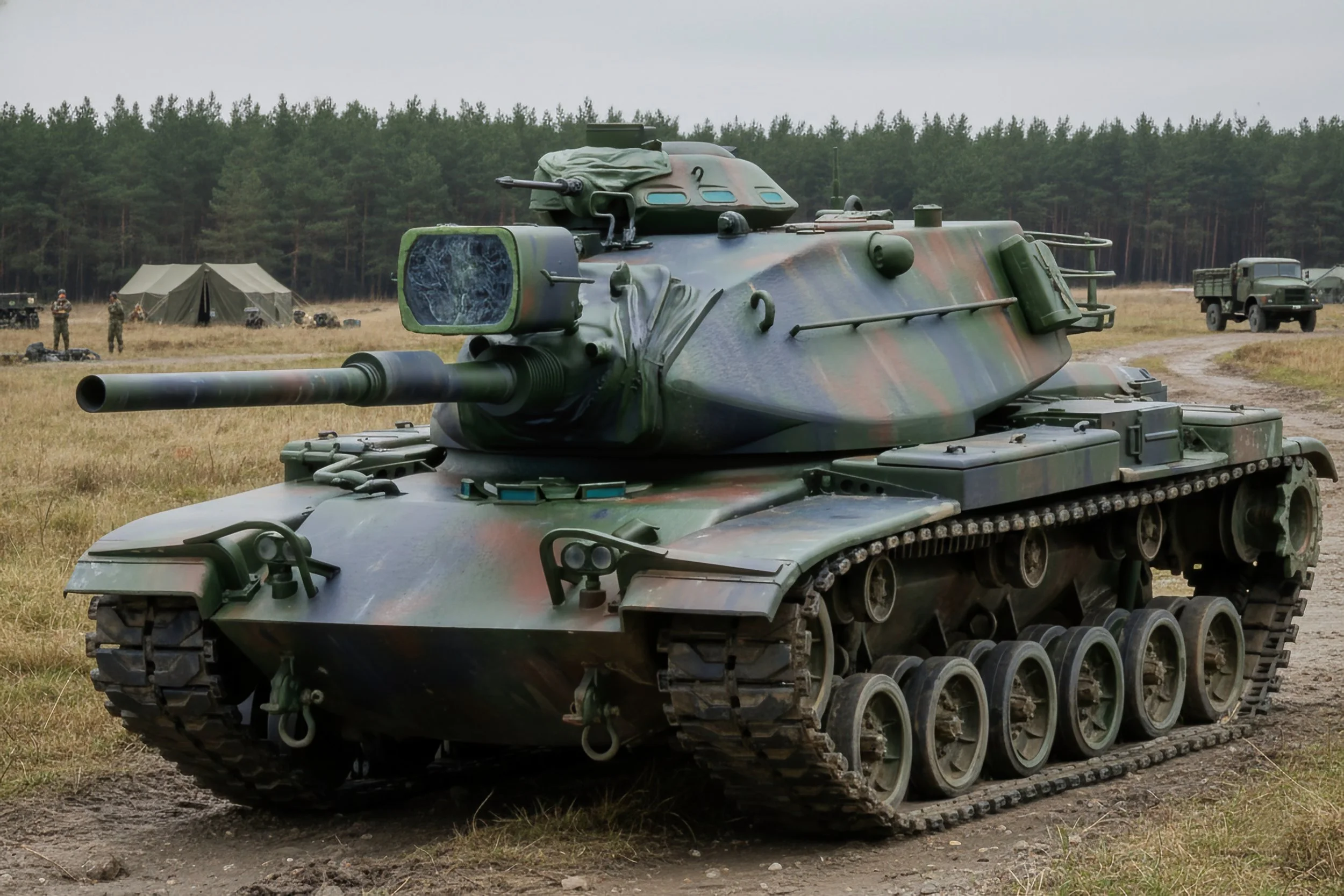
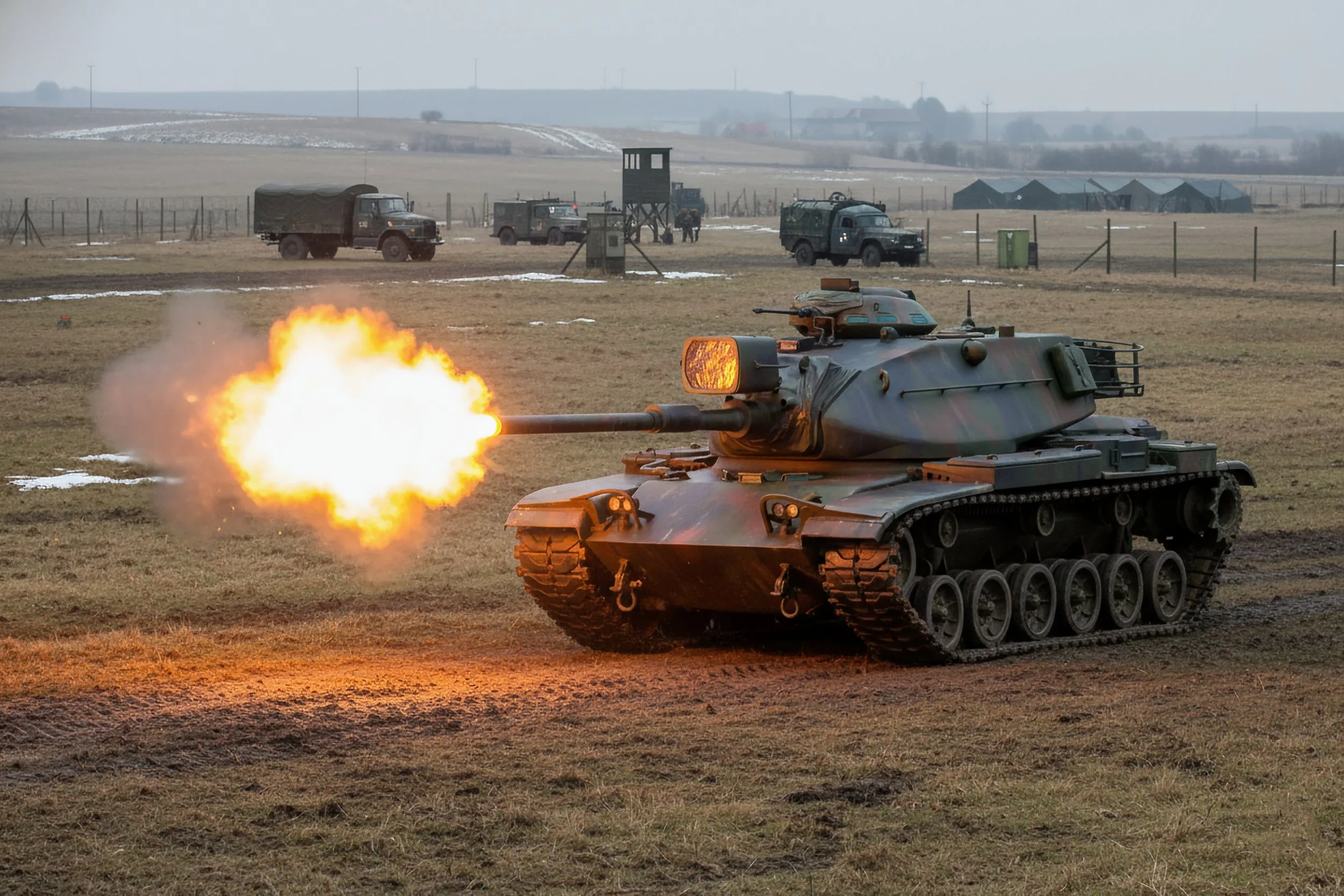
The M60A1 is a classic American second-generation main battle tank that served as a cornerstone of U.S. armored forces during the Cold War era. Developed as an evolution of the M48 Patton series, it entered production in 1962 and remained in U.S. Army service until the early 1980s, with many units continuing in foreign inventories for decades longer. The most distinctive feature of the M60A1 is its elongated "needle-nose" turret (T95E7), which provided improved ballistic protection and more internal space for the four-man crew (commander, gunner, loader, and driver) compared to the original M60. It featured thicker cast homogeneous steel armor, particularly on the hull glacis (approximately 109 mm at 65°) and turret front (equivalent to around 250 mm), offering solid frontal protection against contemporary threats. Firepower centered on the highly effective British-designed 105 mm M68 rifled gun, capable of firing a wide range of ammunition including APDS, HEAT, and HEP rounds to engage armored vehicles, fortifications, and infantry. A 7.62 mm coaxial machine gun and a .50 caliber M85 commander's machine gun provided secondary armament. Later variants incorporated add-on stabilization (AOS) for improved fire-on-the-move capability, along with infrared or passive night vision systems. Powered by a Continental AVDS-1790-2 series 750 hp V12 air-cooled diesel engine paired with a cross-drive transmission, the M60A1 delivered a top road speed of about 30 mph (48 km/h) and an operational range of roughly 300 miles. Its combat weight hovered around 47–52 tons depending on configuration, with variants like the RISE (Reliability Improved Selected Equipment) introducing engine and electrical upgrades for better maintainability. The M60A1 combined robust protection, reliable mobility, and proven firepower, making it a versatile platform exported to numerous allies. It saw combat notably with Israeli forces during the 1973 Yom Kippur War. Though eventually superseded by the M1 Abrams, the M60A1 remains an iconic symbol of mid-20th-century tank design and continues to influence modernized fleets in several countries today.
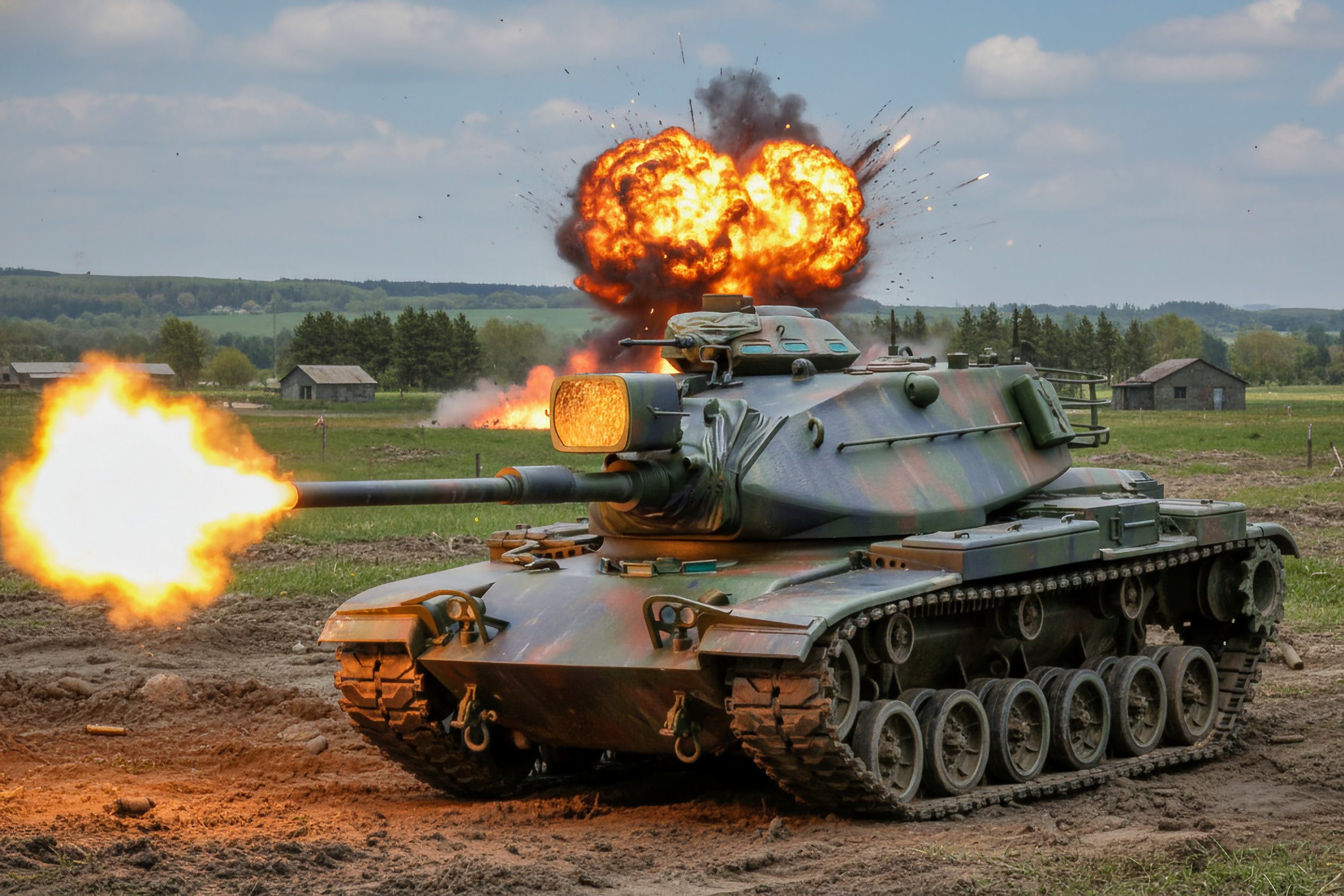
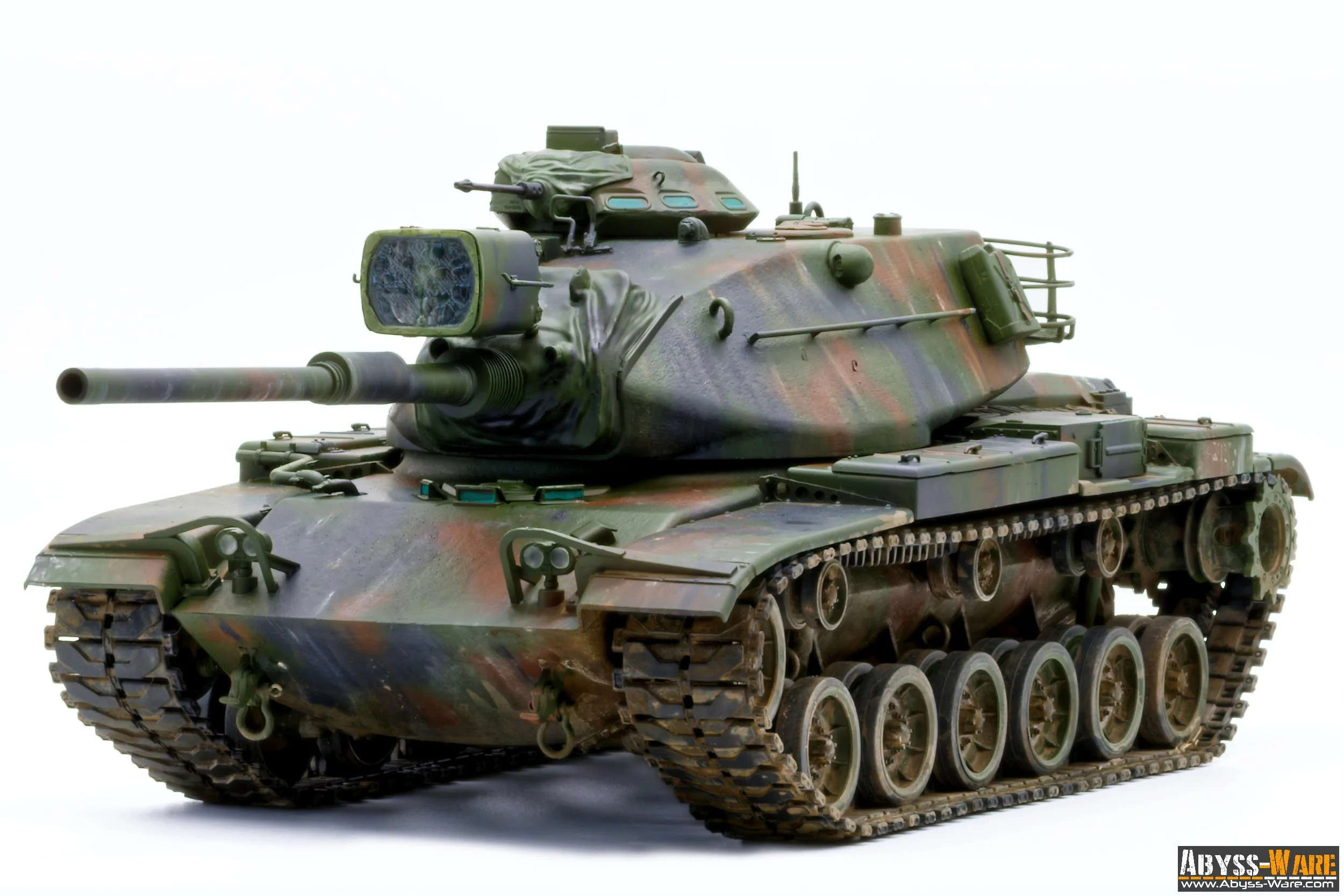
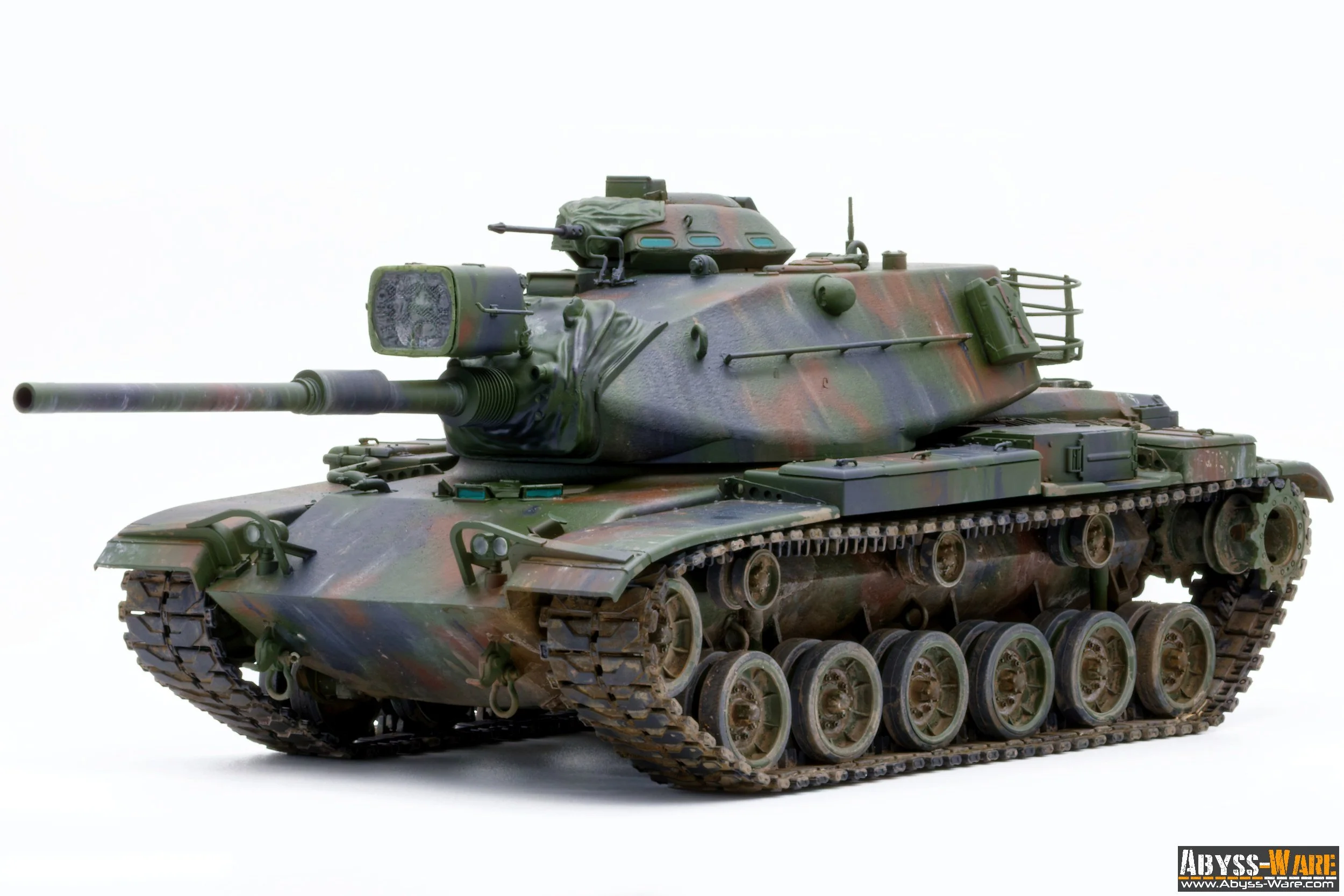
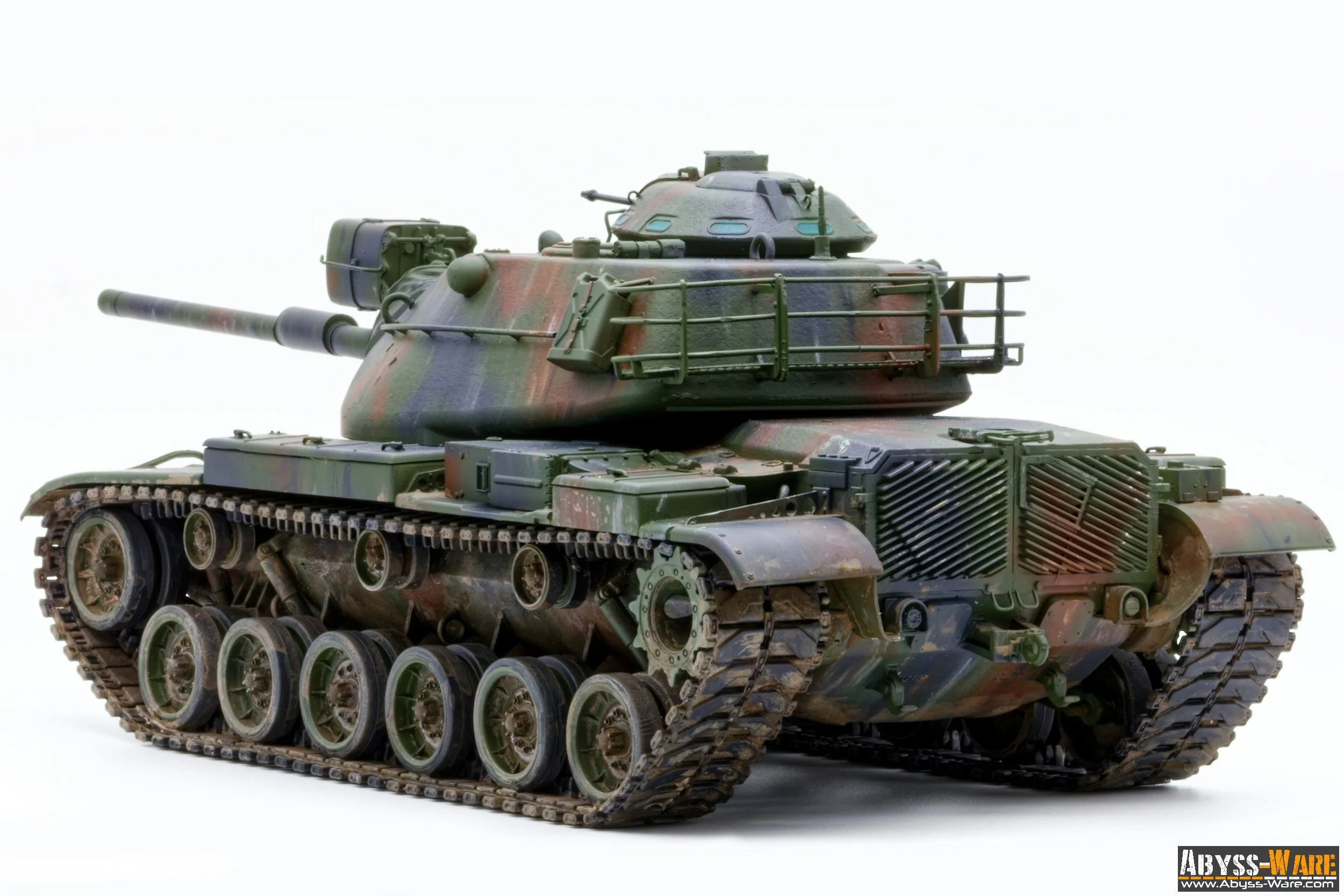
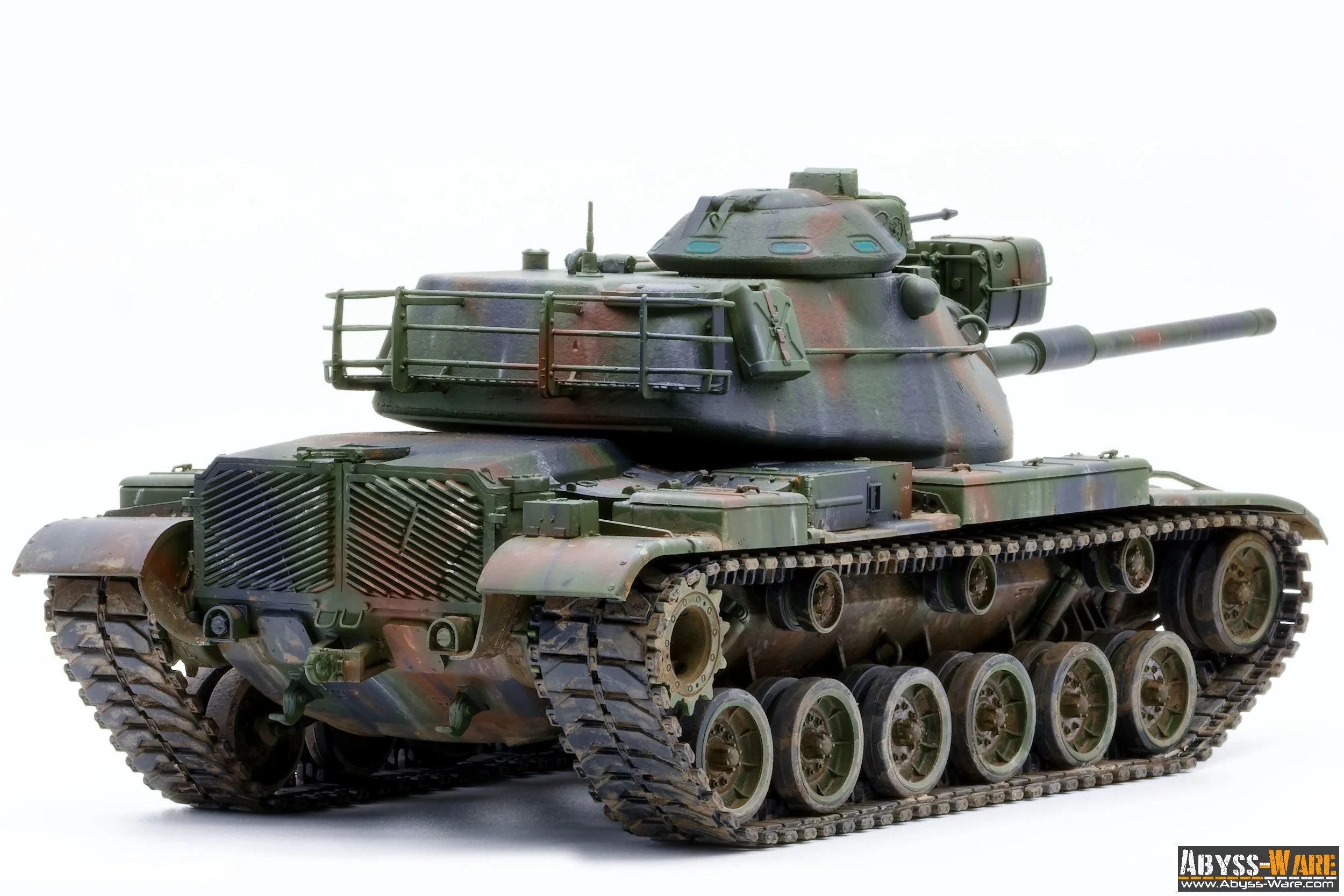
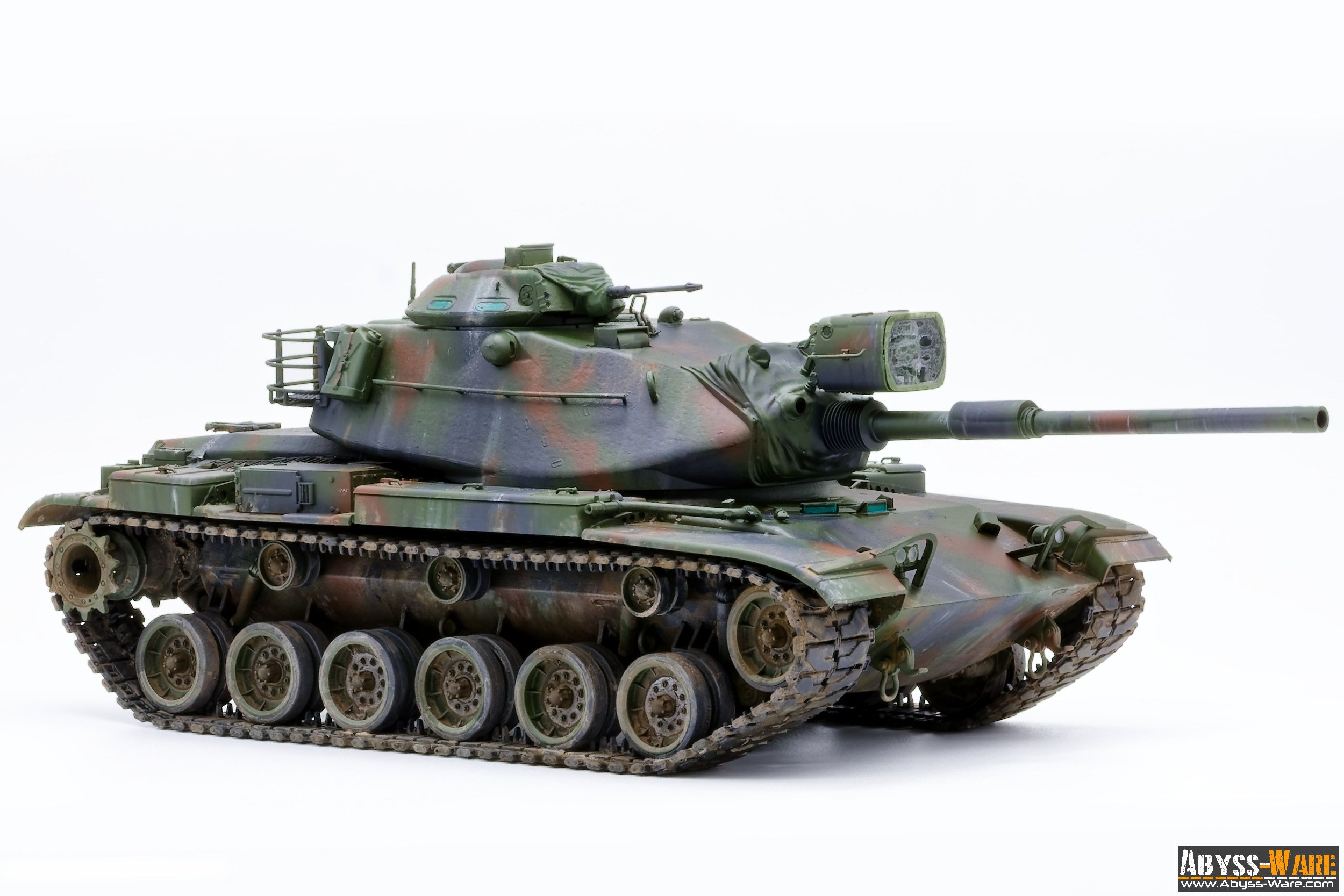
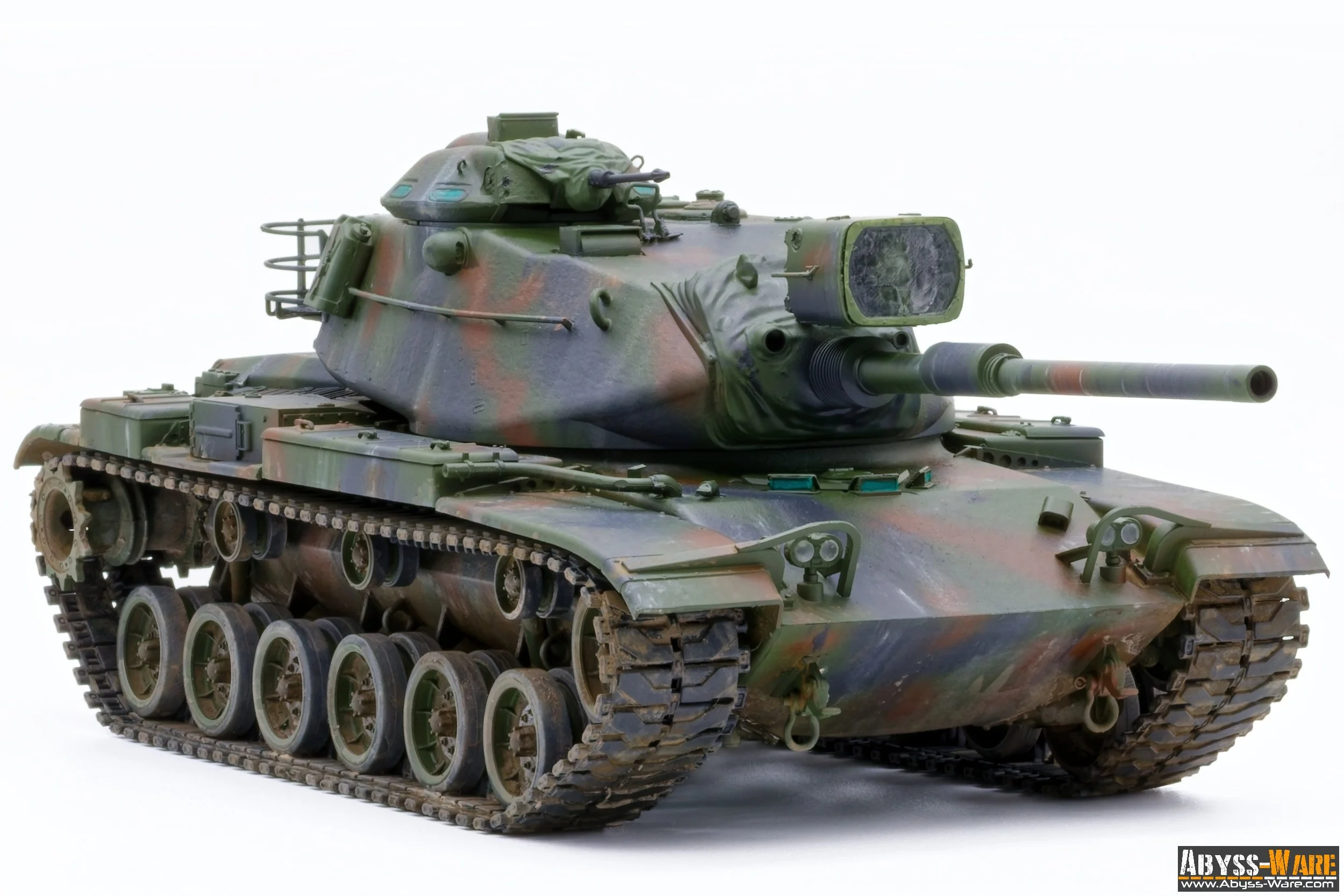
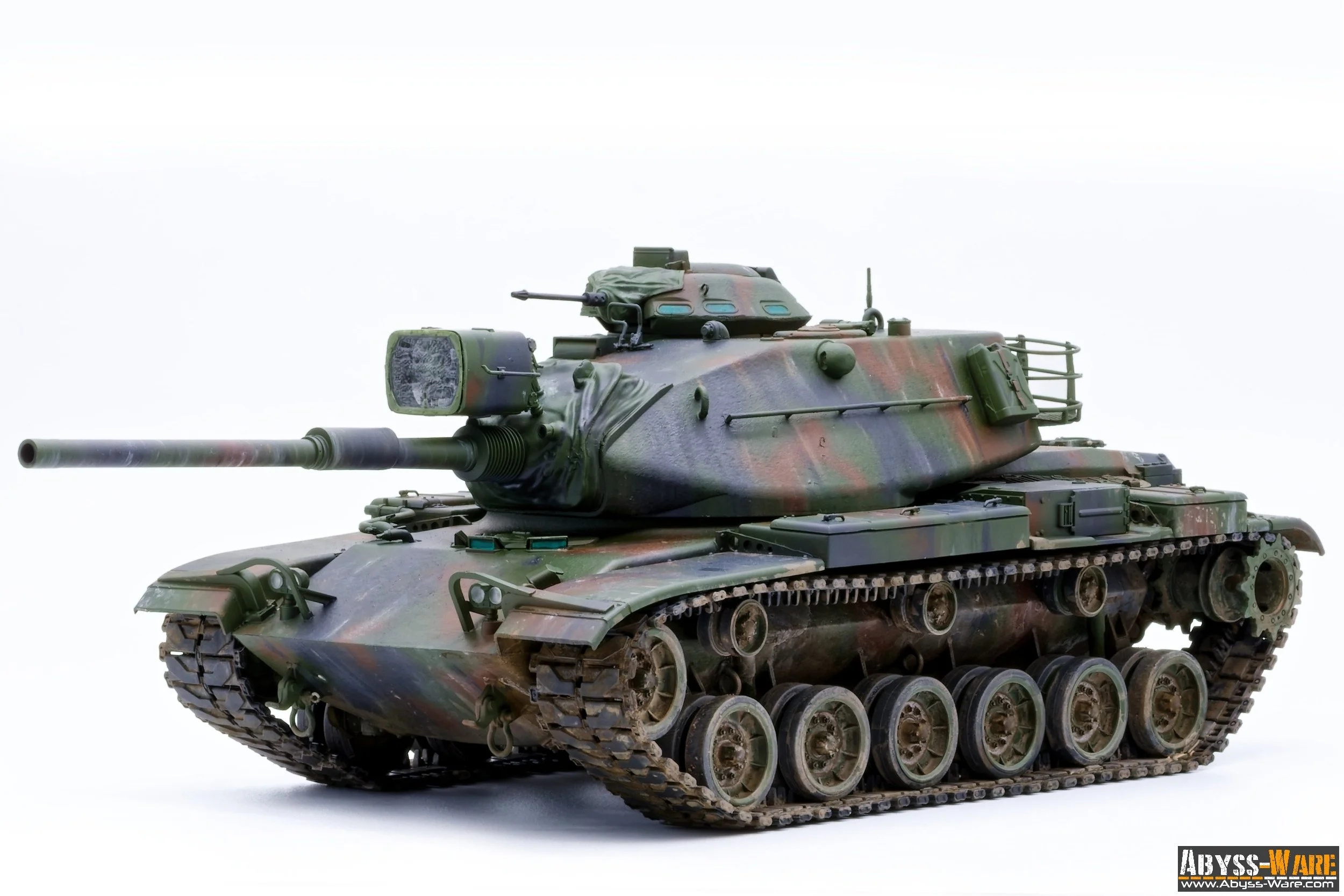
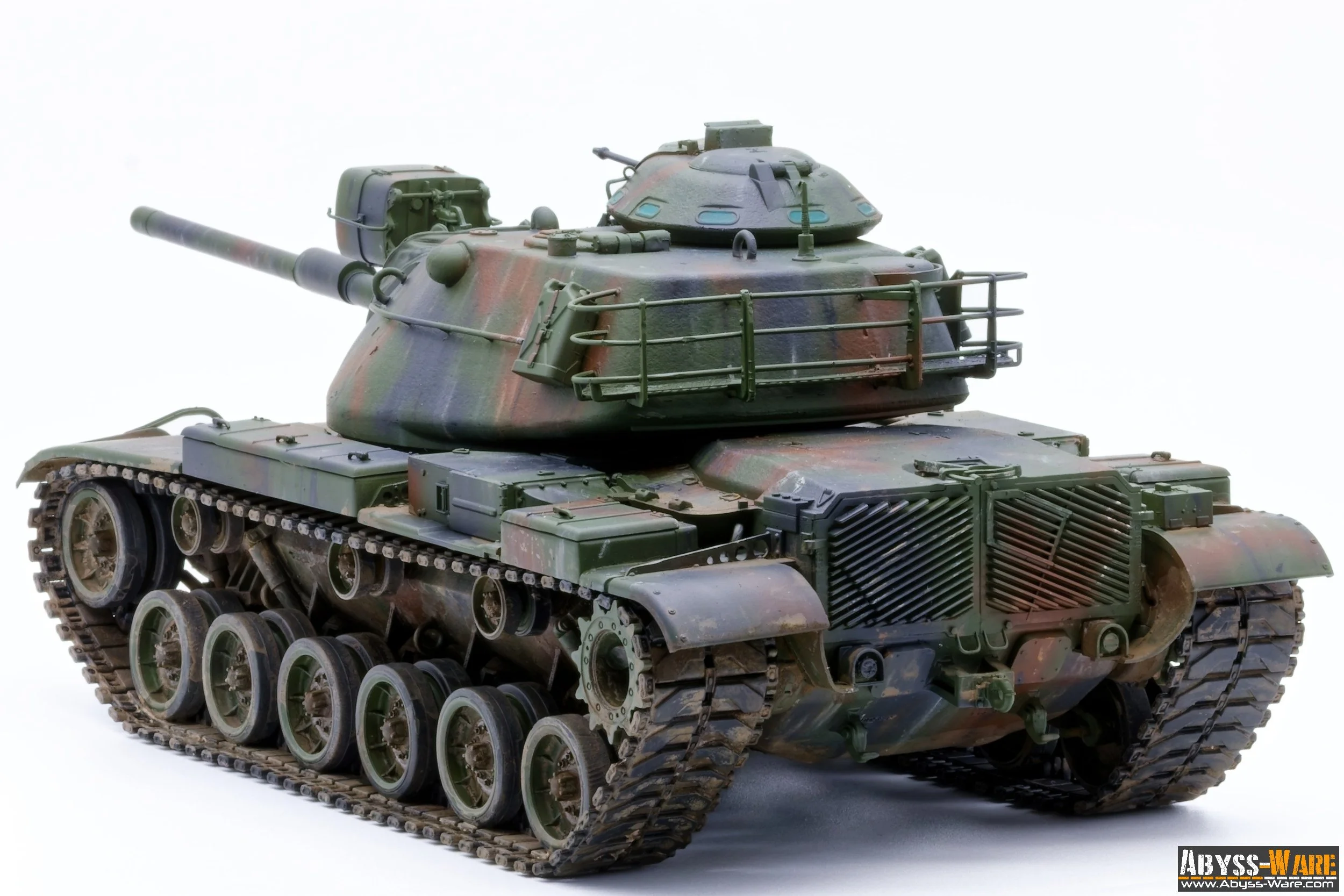
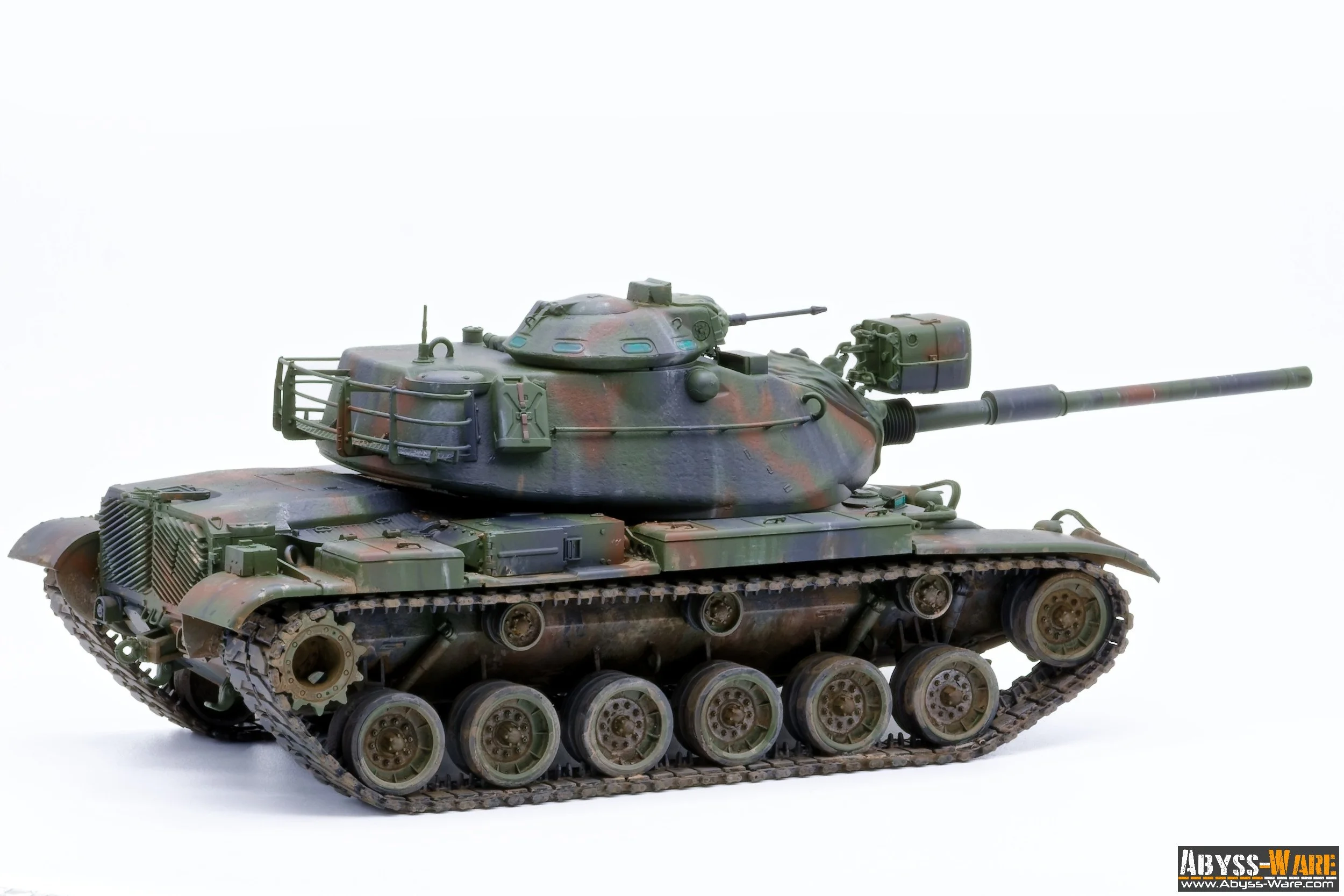
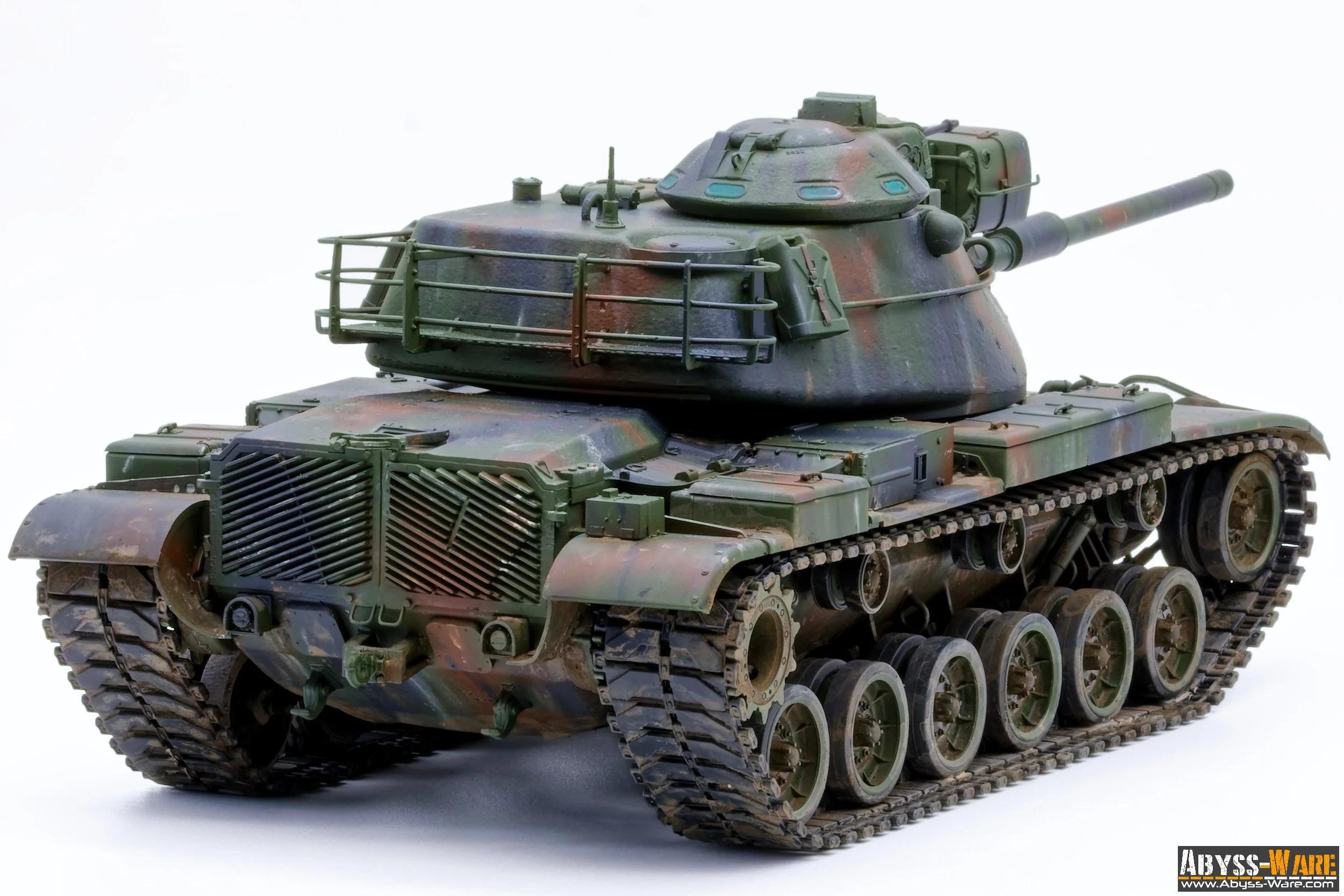
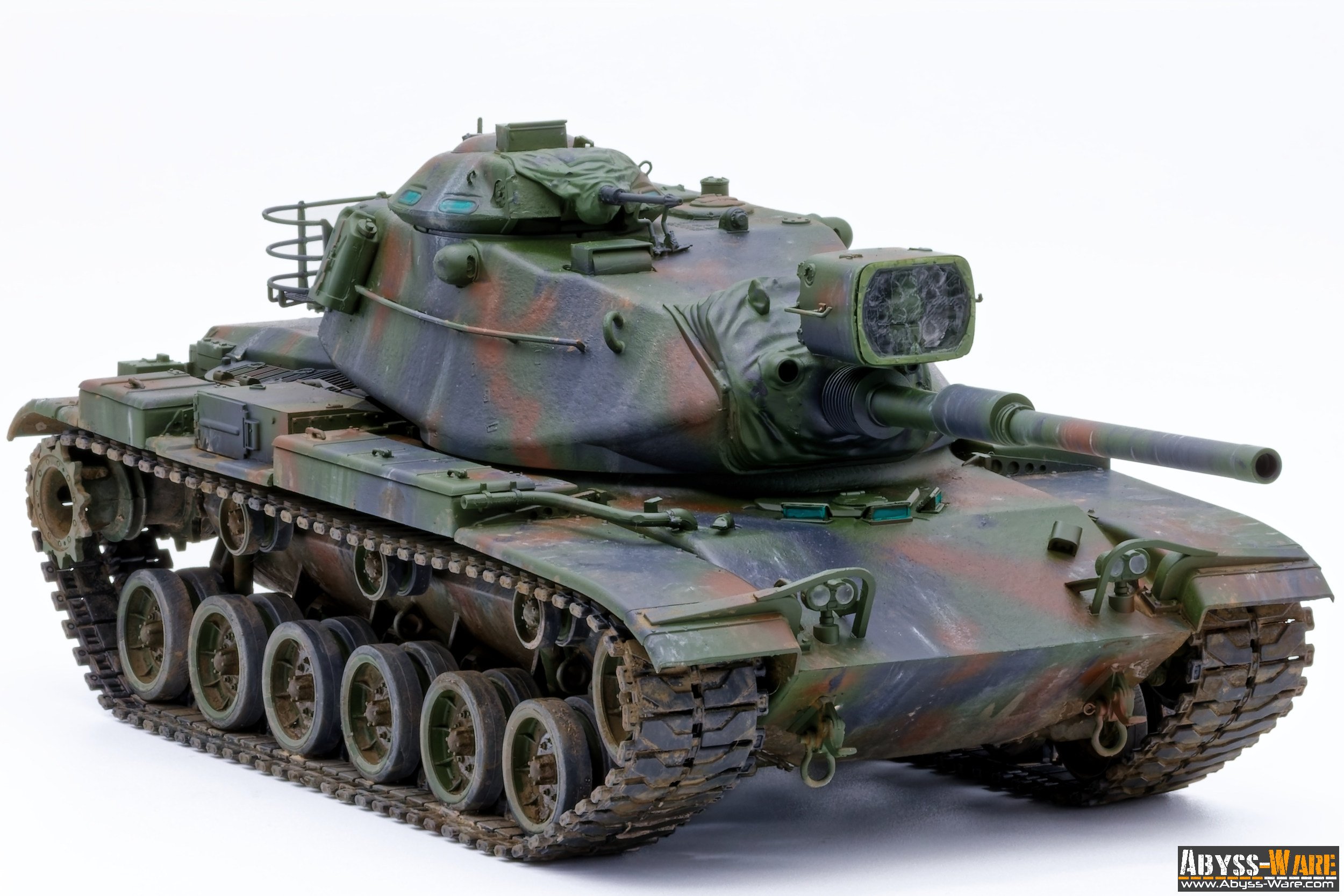
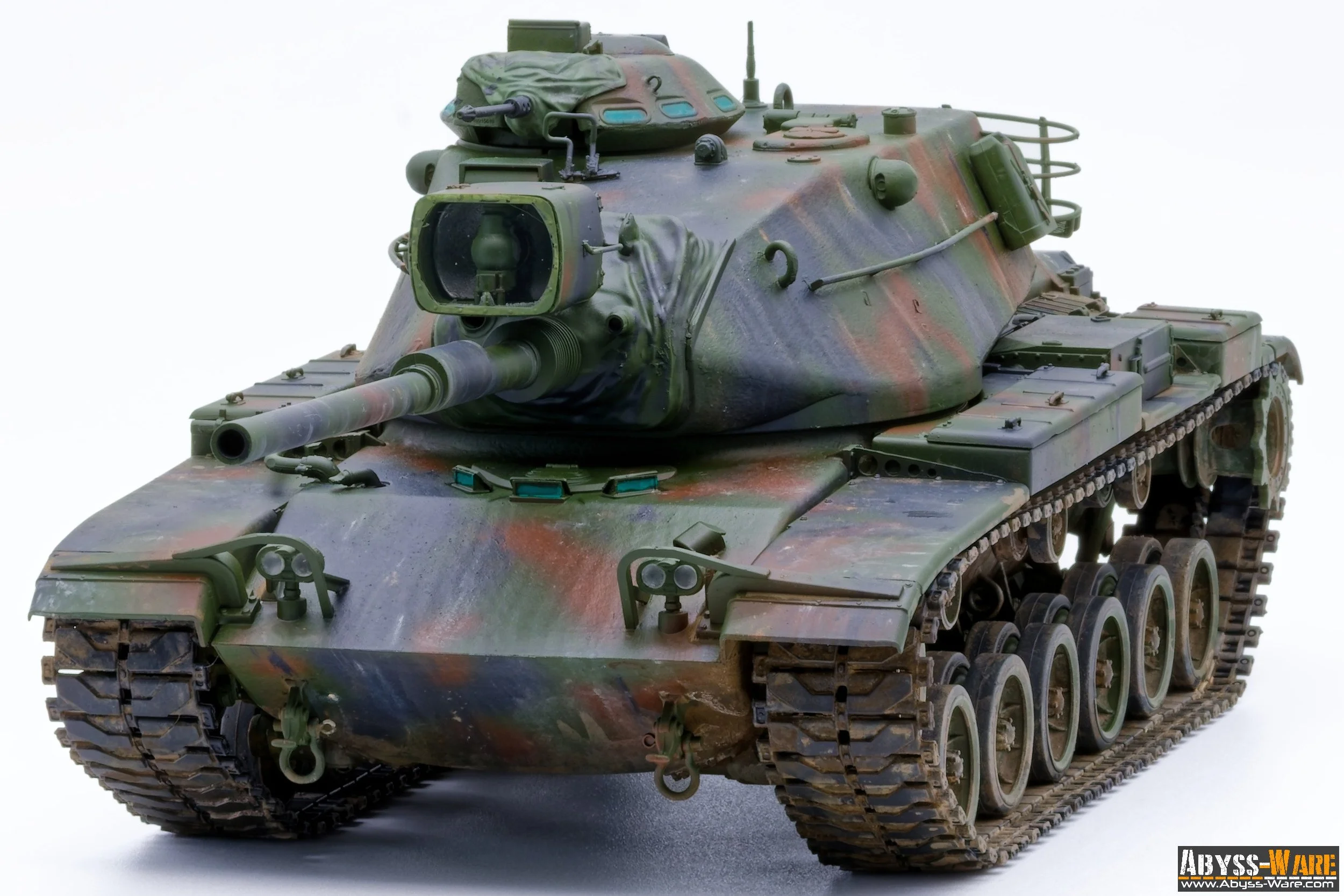
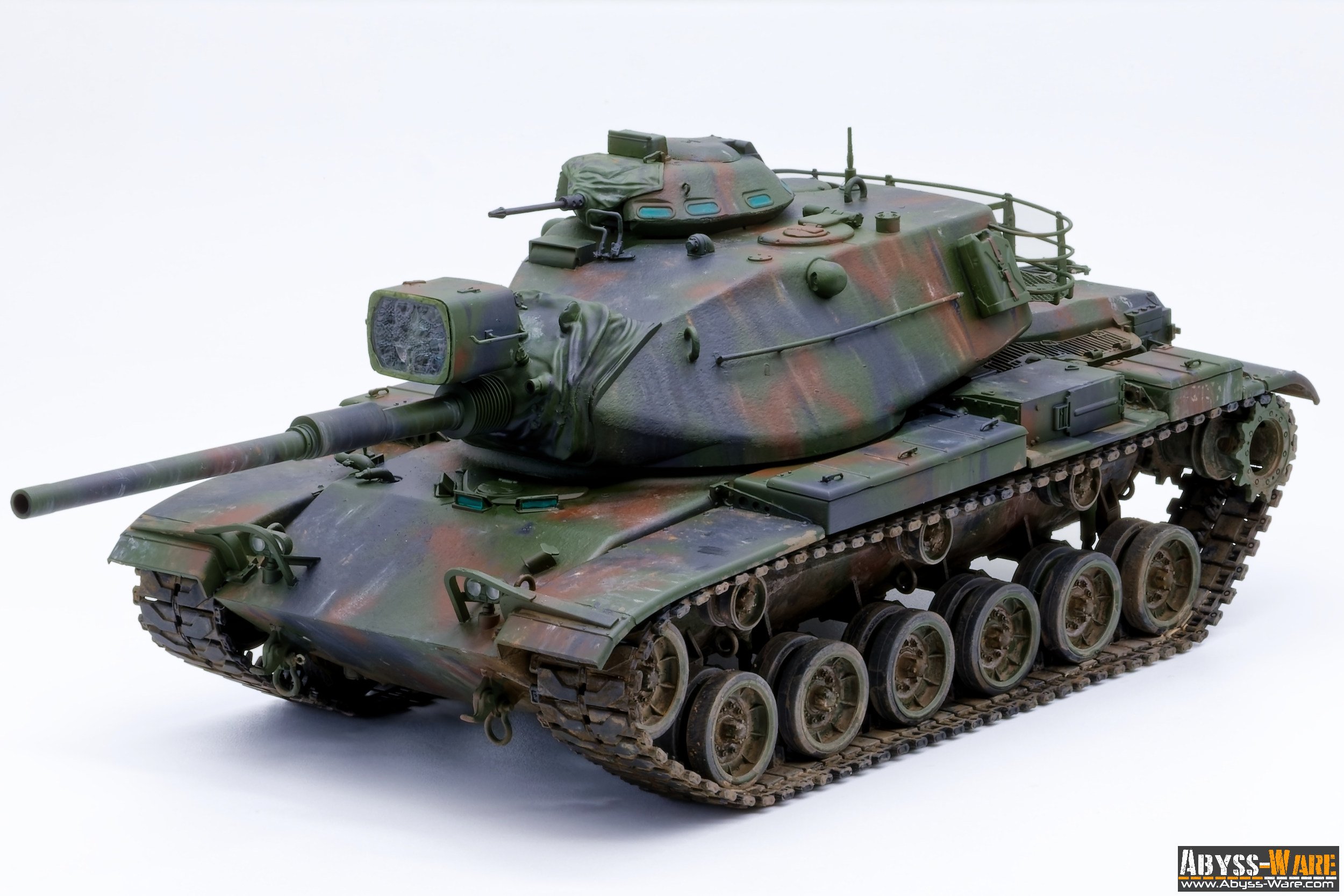
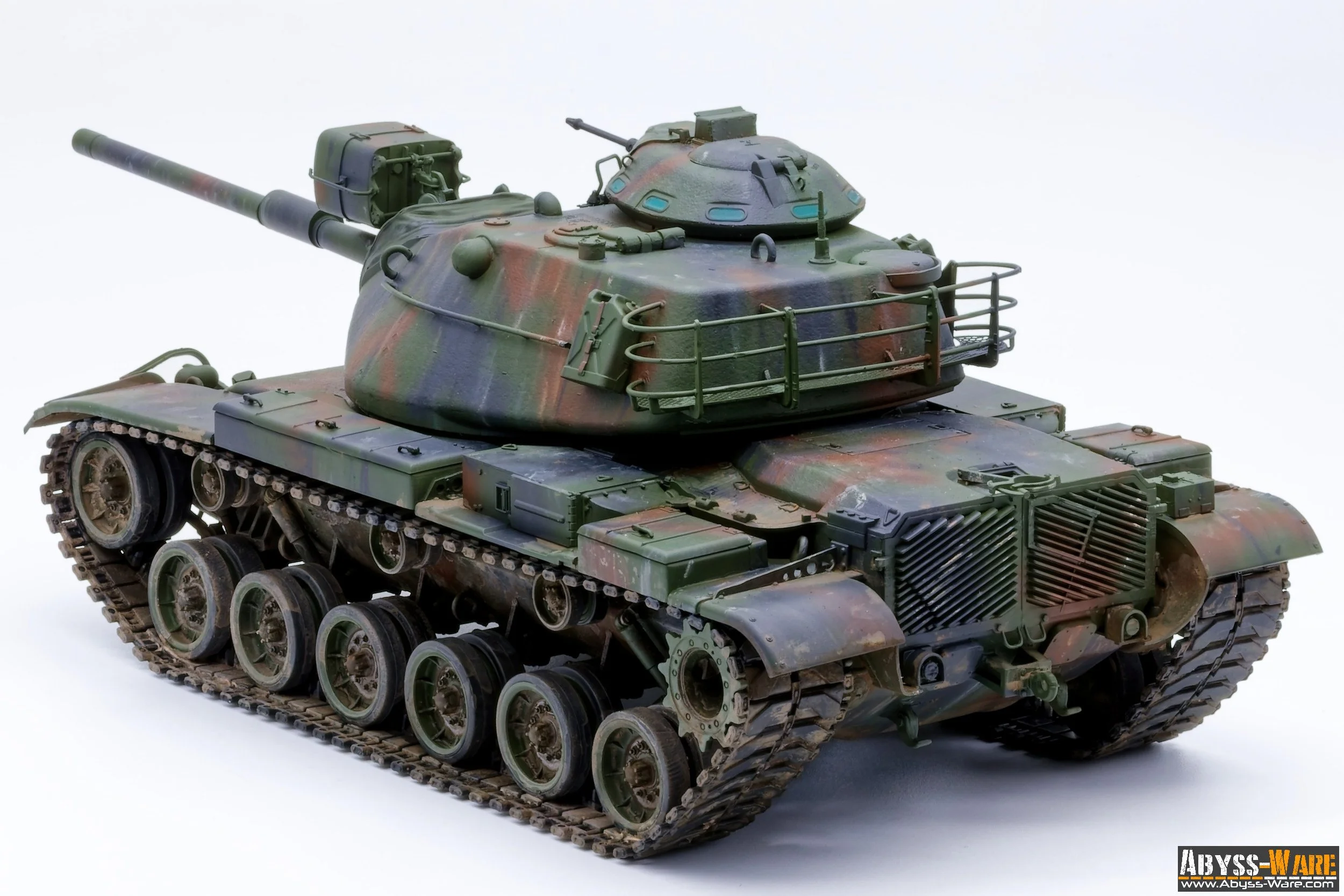
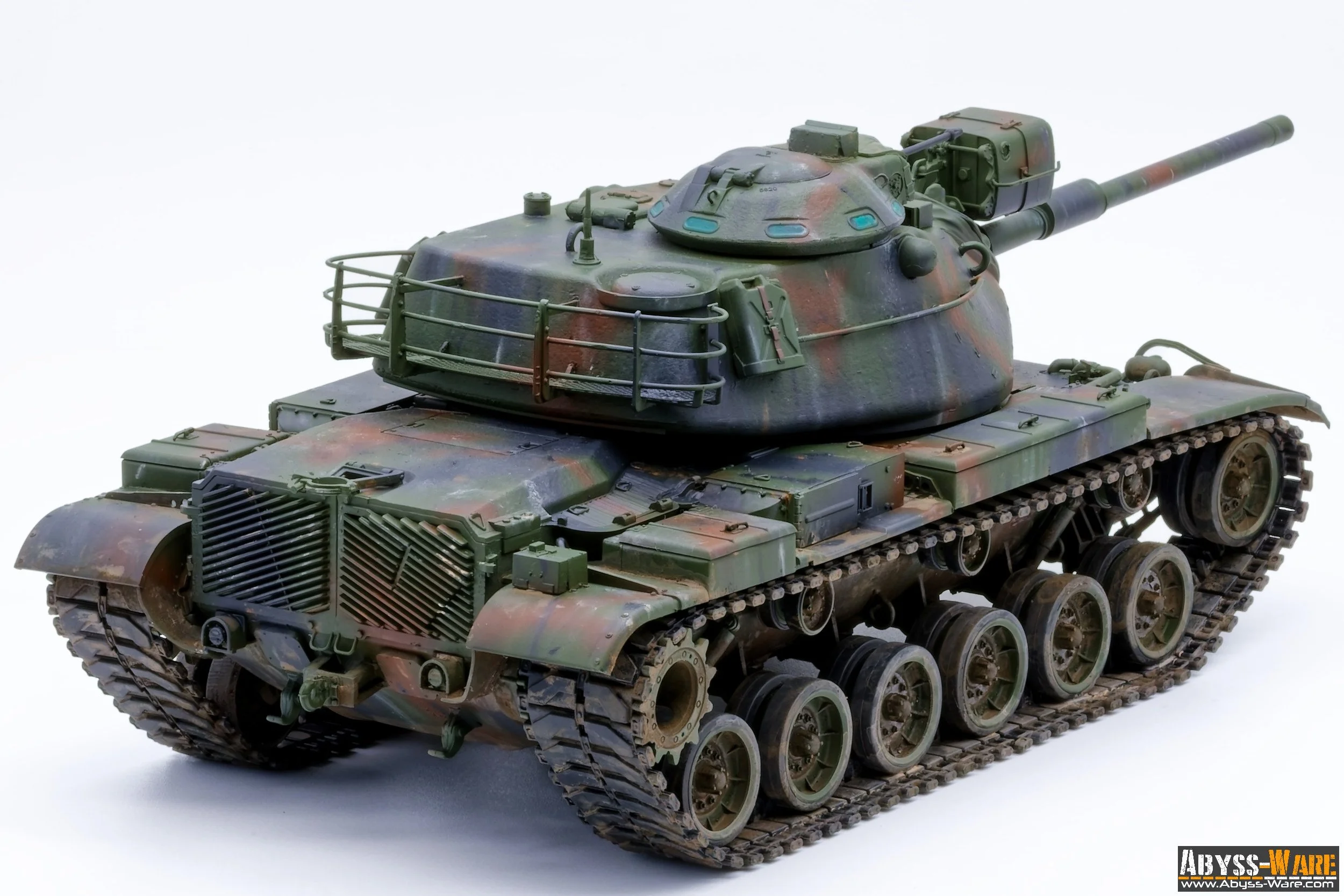
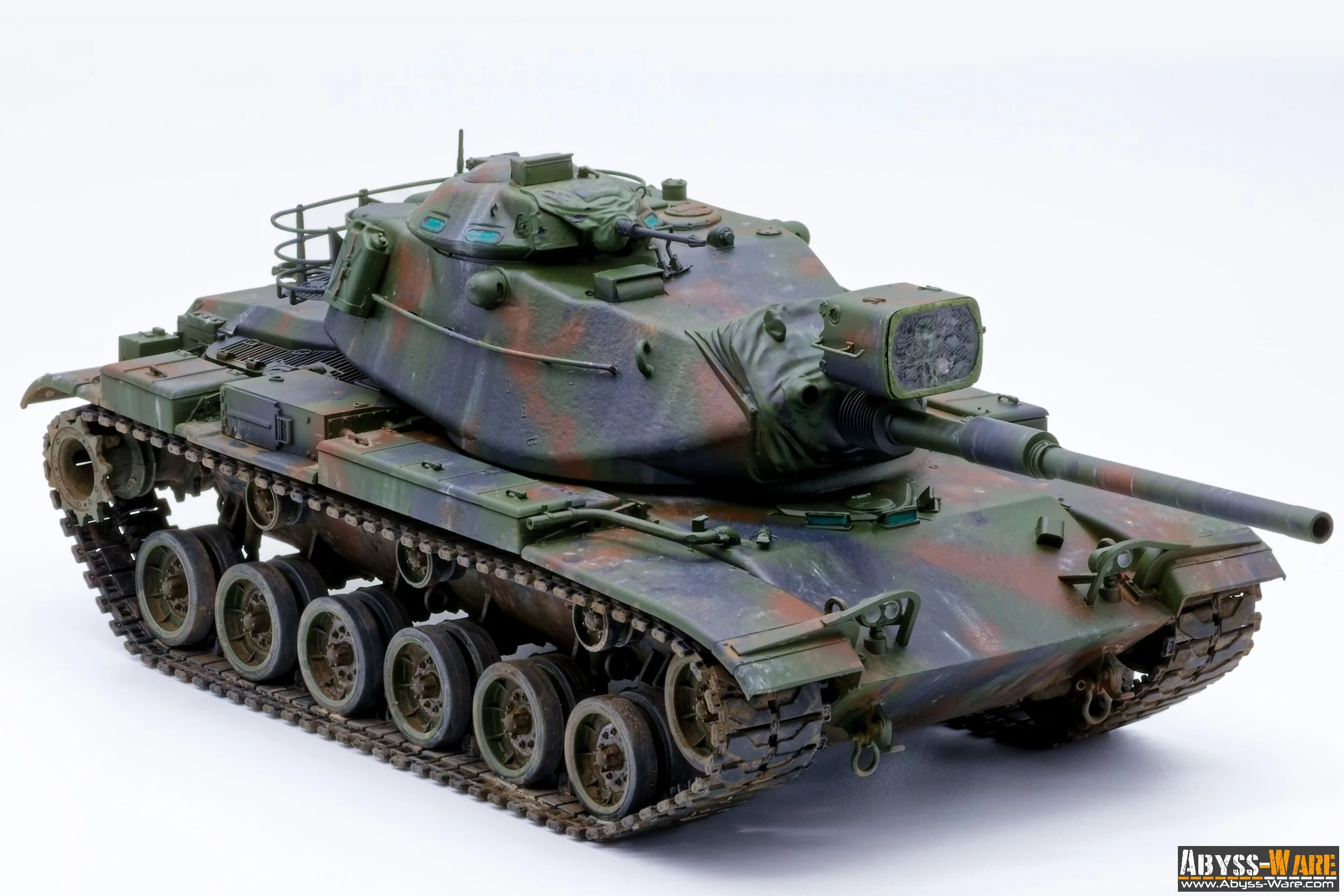
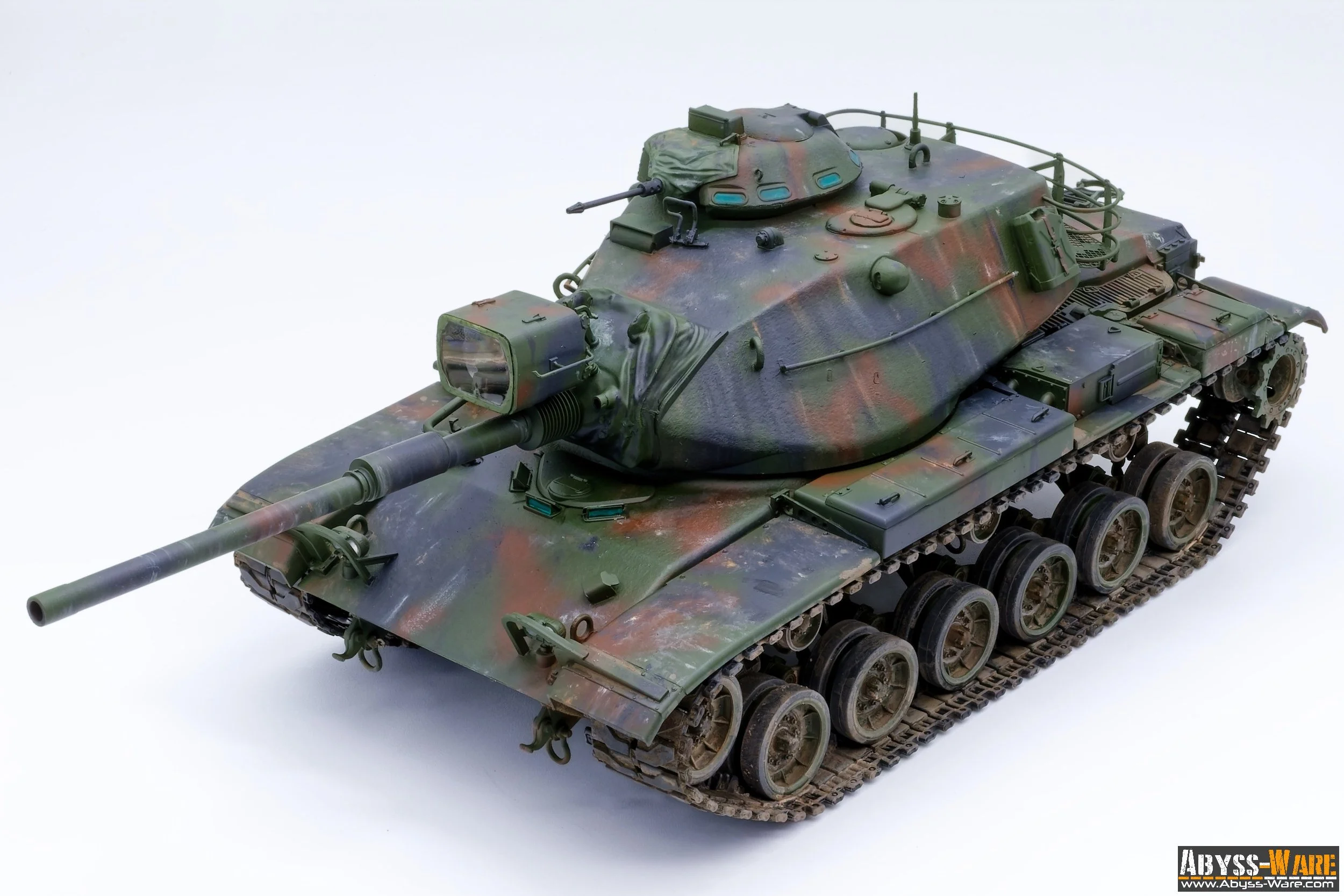
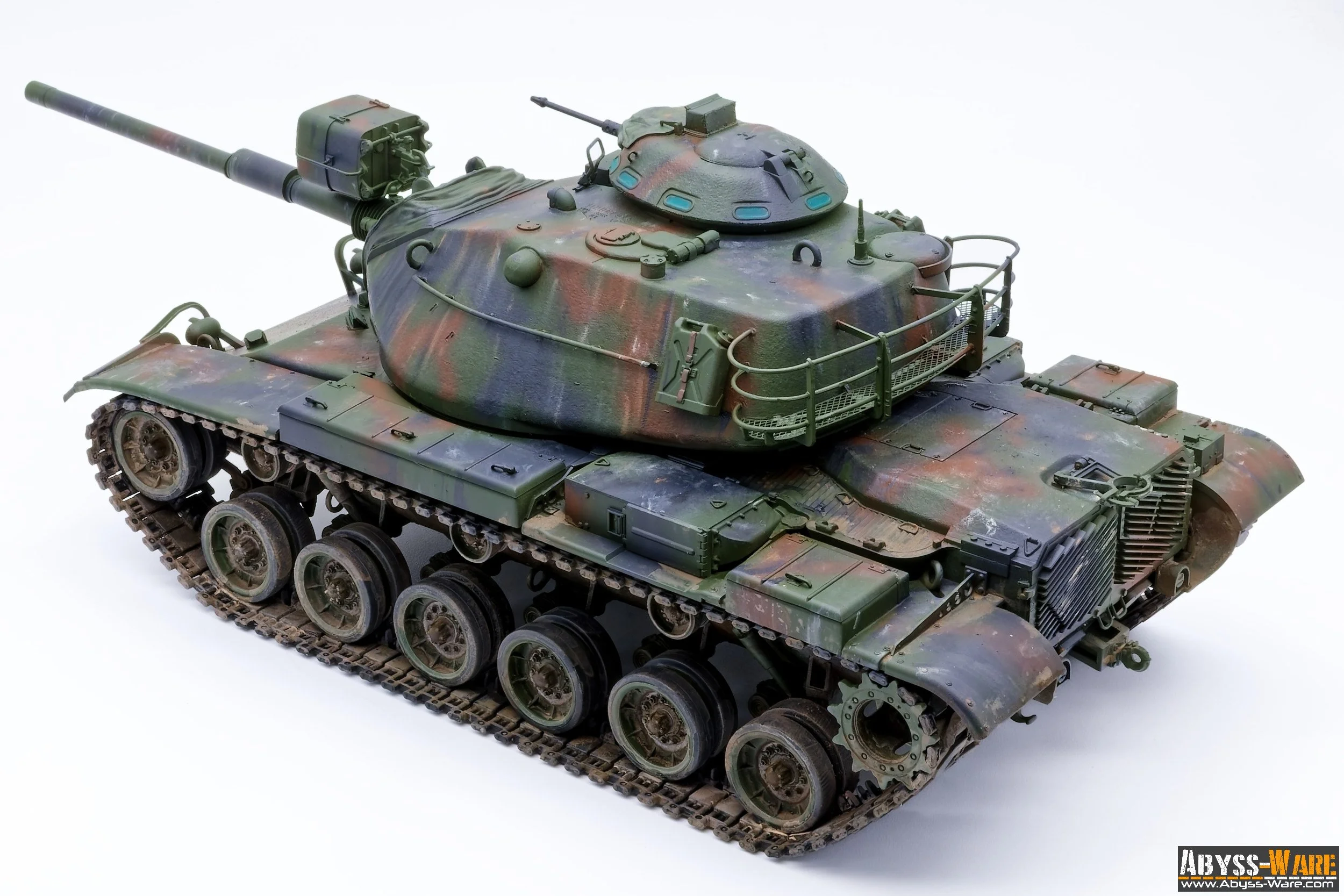
Note: The images presented bellow feature photographs of actual scale models, enhanced with AI-generated backgrounds and environments for visual effect. These visuals are intended for illustrative and artistic purposes only and should not be interpreted as real photographs or historical references.