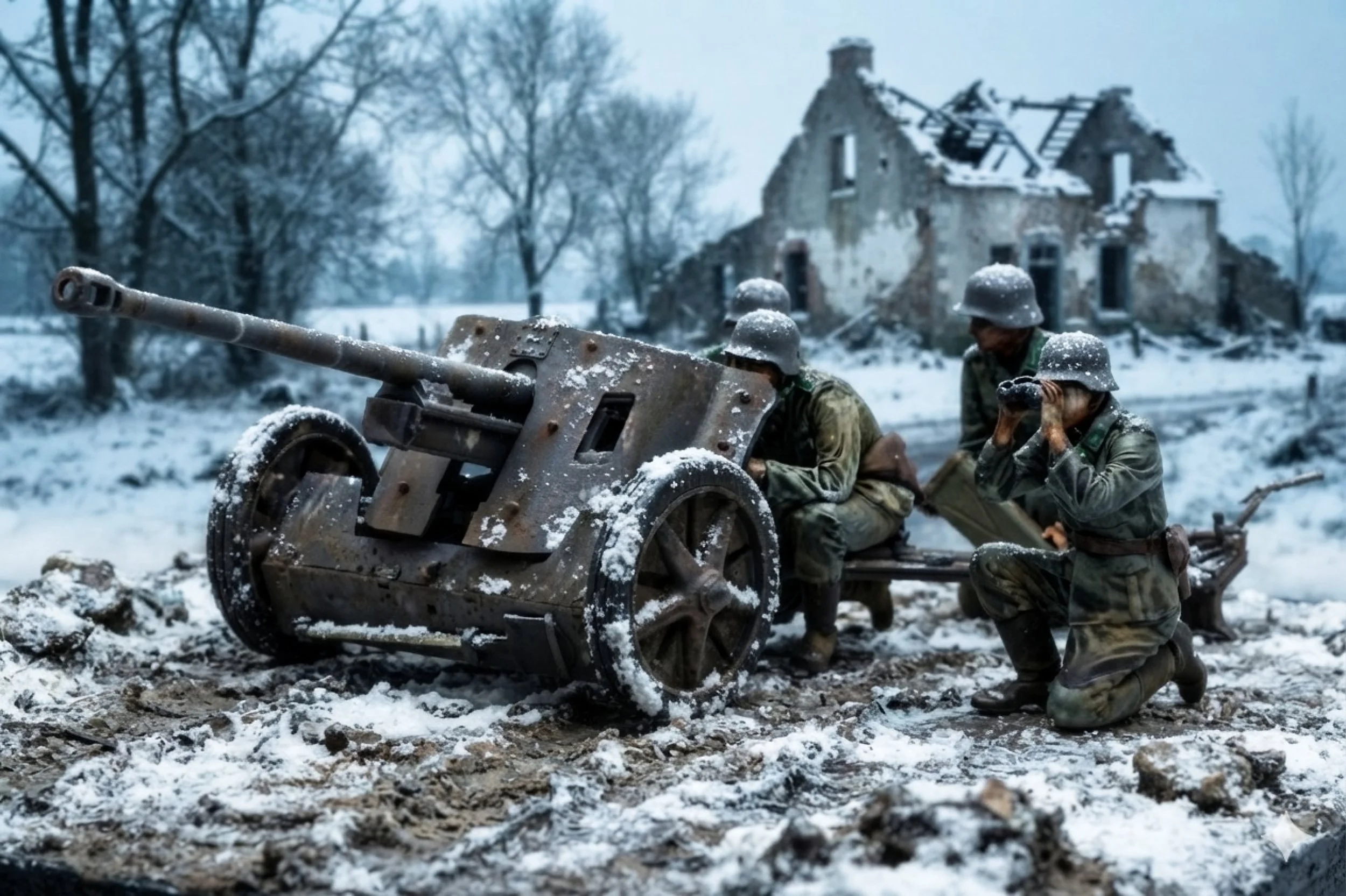
5cm ANTI-TANK GUN - PAK38
TAMIYA 35392
SCALE 1/35
.
;
The 5 cm PaK 38 (Panzerabwehrkanone 38) was one of Germany’s principal medium anti-tank guns of the Second World War. Developed by Rheinmetall in the late 1930s, it was introduced into service in 1940 as a response to the increasing effectiveness of Allied armored vehicles. Its 50 mm caliber represented an important step forward from the earlier 3.7 cm PaK 36, which was rapidly becoming inadequate against modern tanks. The PaK 38 featured a relatively compact but robust design, mounted on a split-trail carriage that provided good stability during firing and allowed the gun to be traversed effectively. Its low profile made it easier to conceal and operate from prepared defensive positions. The carriage incorporated a shield to protect the gun crew from small-arms fire and shell fragments, while the gun was equipped with pneumatic tires that allowed it to be towed by vehicles or horse teams.
The gun entered combat during the 1940 Western Campaign and saw extensive use on the Eastern Front. It became particularly important during the early years of the war as German forces encountered increasingly well-armored Soviet tanks. The PaK 38 could fire several types of ammunition, including conventional armor-piercing rounds and specialized projectiles designed to improve penetration. Its standard 5 cm PzGr. 39 armor-piercing shot offered useful performance against many medium tanks of the period, while the introduction of tungsten-cored ammunition further increased its ability to defeat armor, although supplies of tungsten ammunition were limited. Despite its improved performance, the PaK 38 had clear limitations. By the middle of the war, heavier Allied tanks and thicker armor were reducing its effectiveness, particularly at longer ranges and against heavily protected targets. Larger German anti-tank guns, such as the 7.5 cm PaK 40, were therefore increasingly favored for front-line use. Nevertheless, the PaK 38 remained an important weapon and continued to serve alongside heavier guns and anti-tank weapons throughout the war.
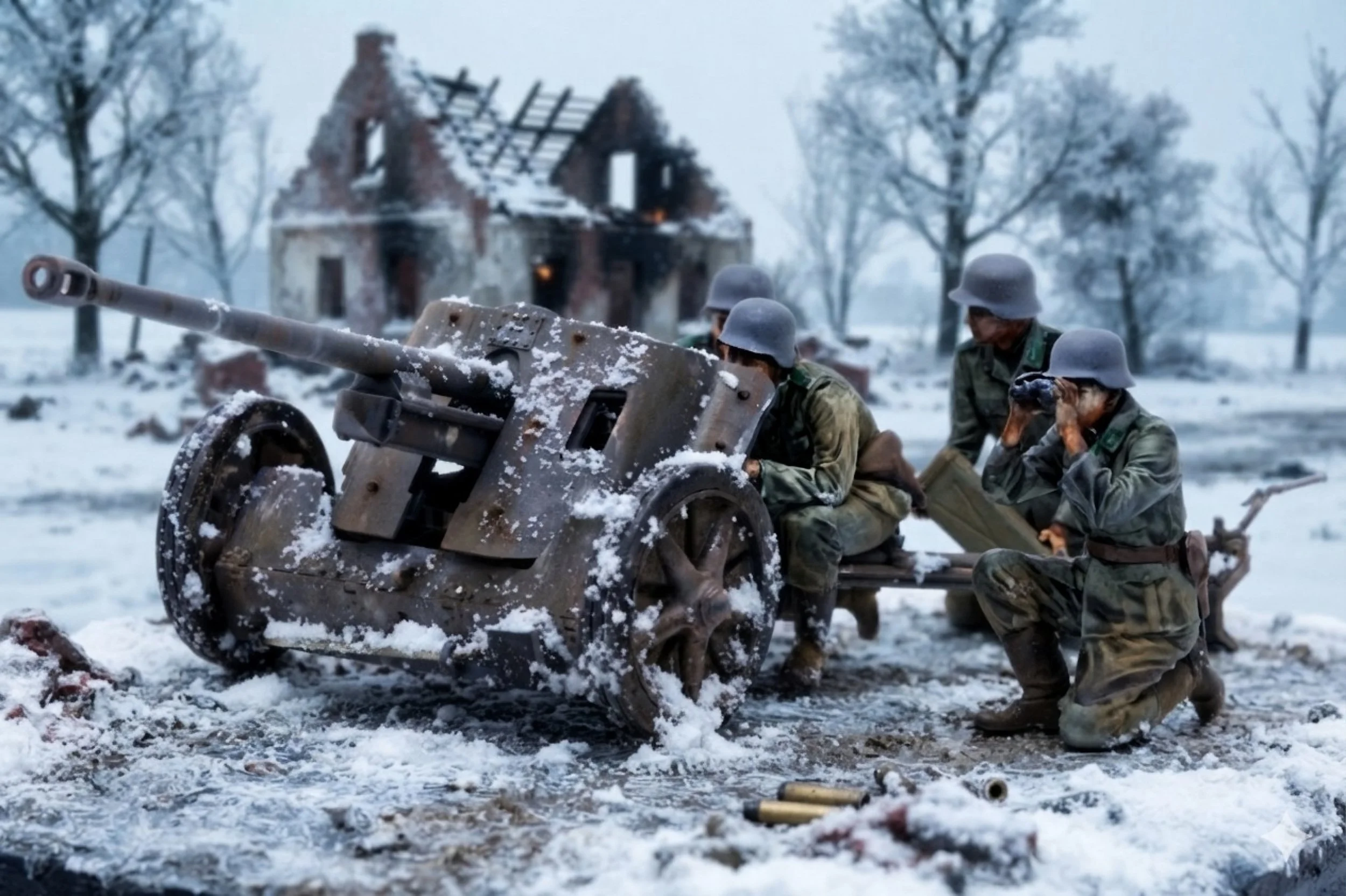
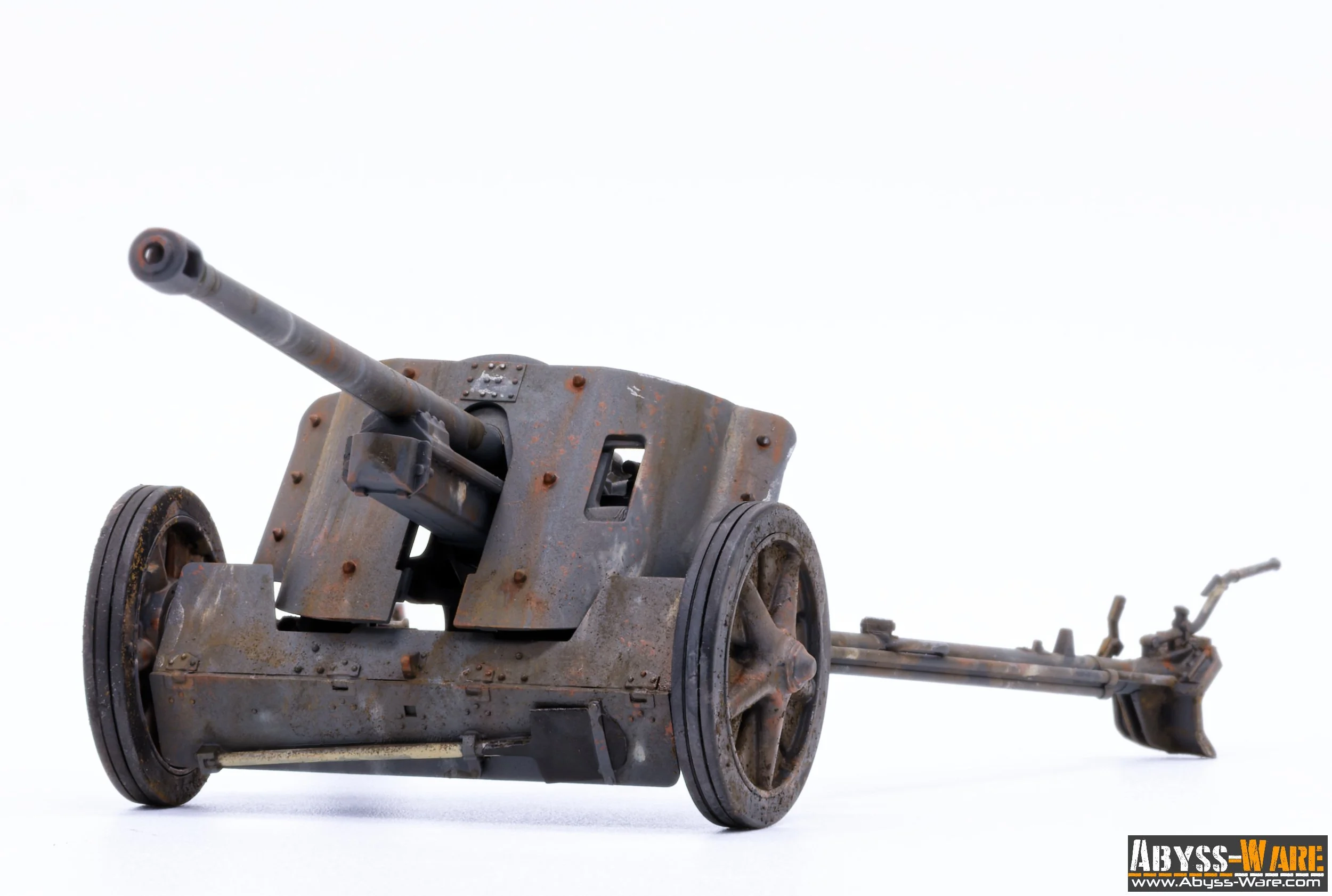
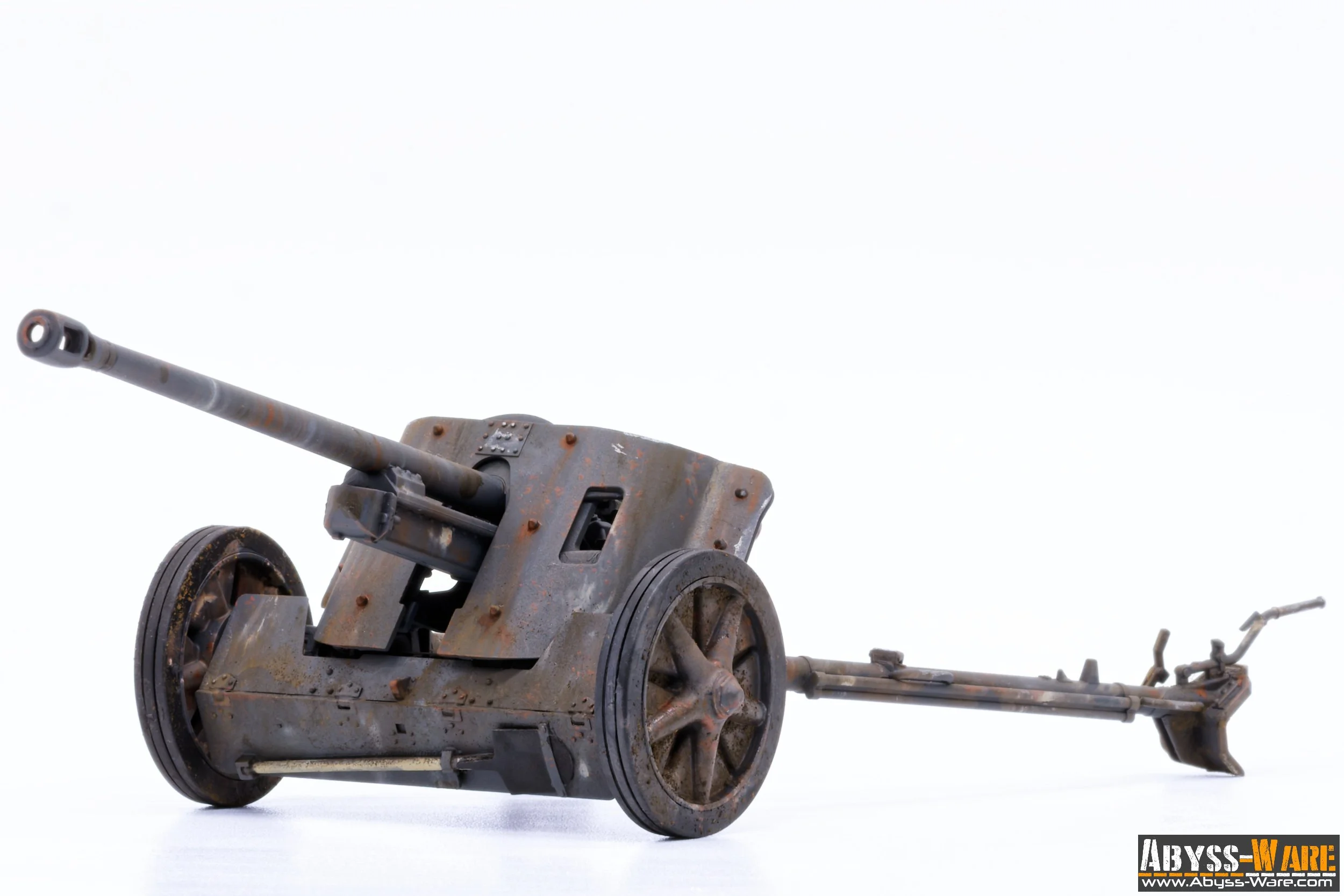
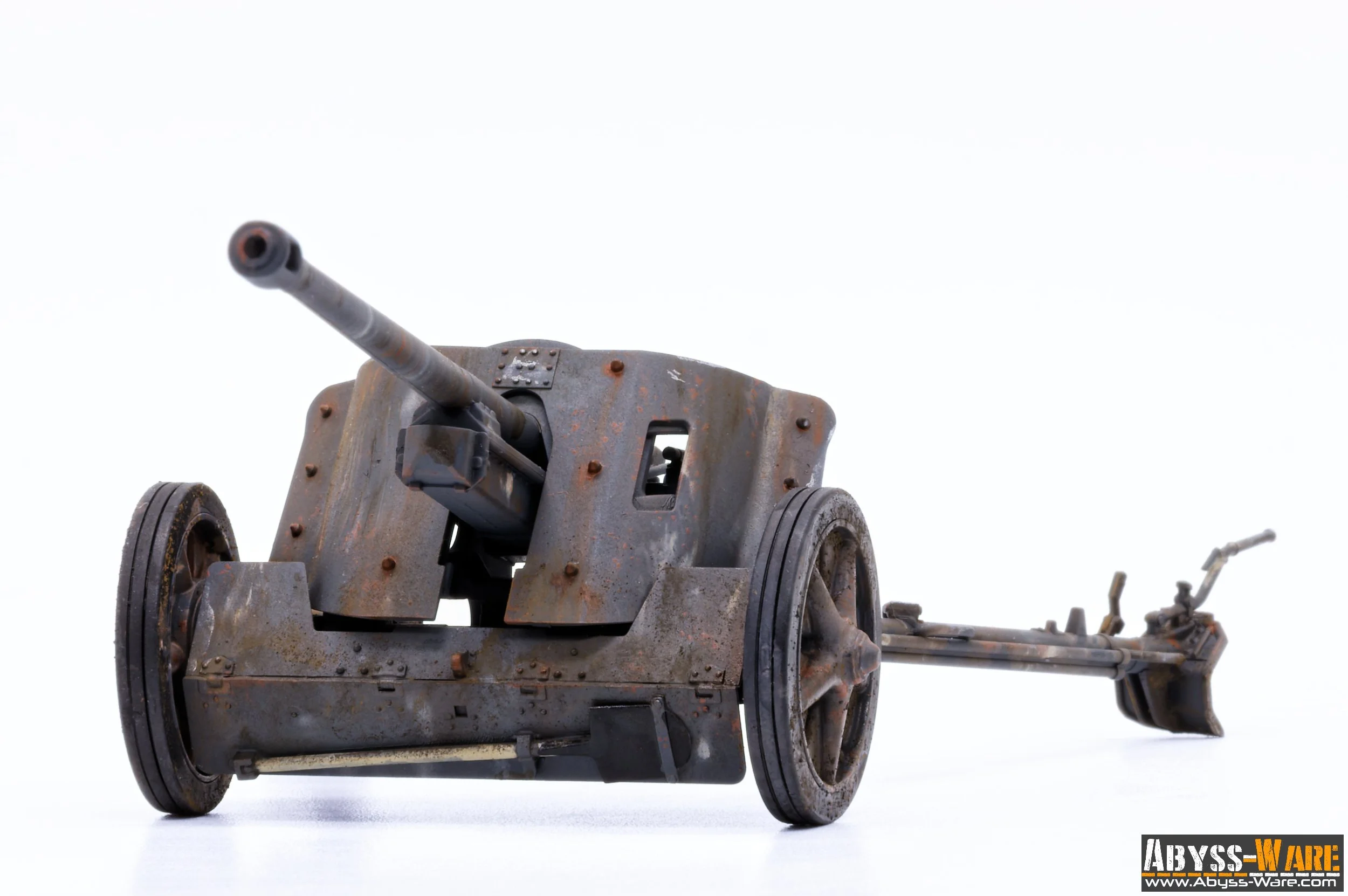
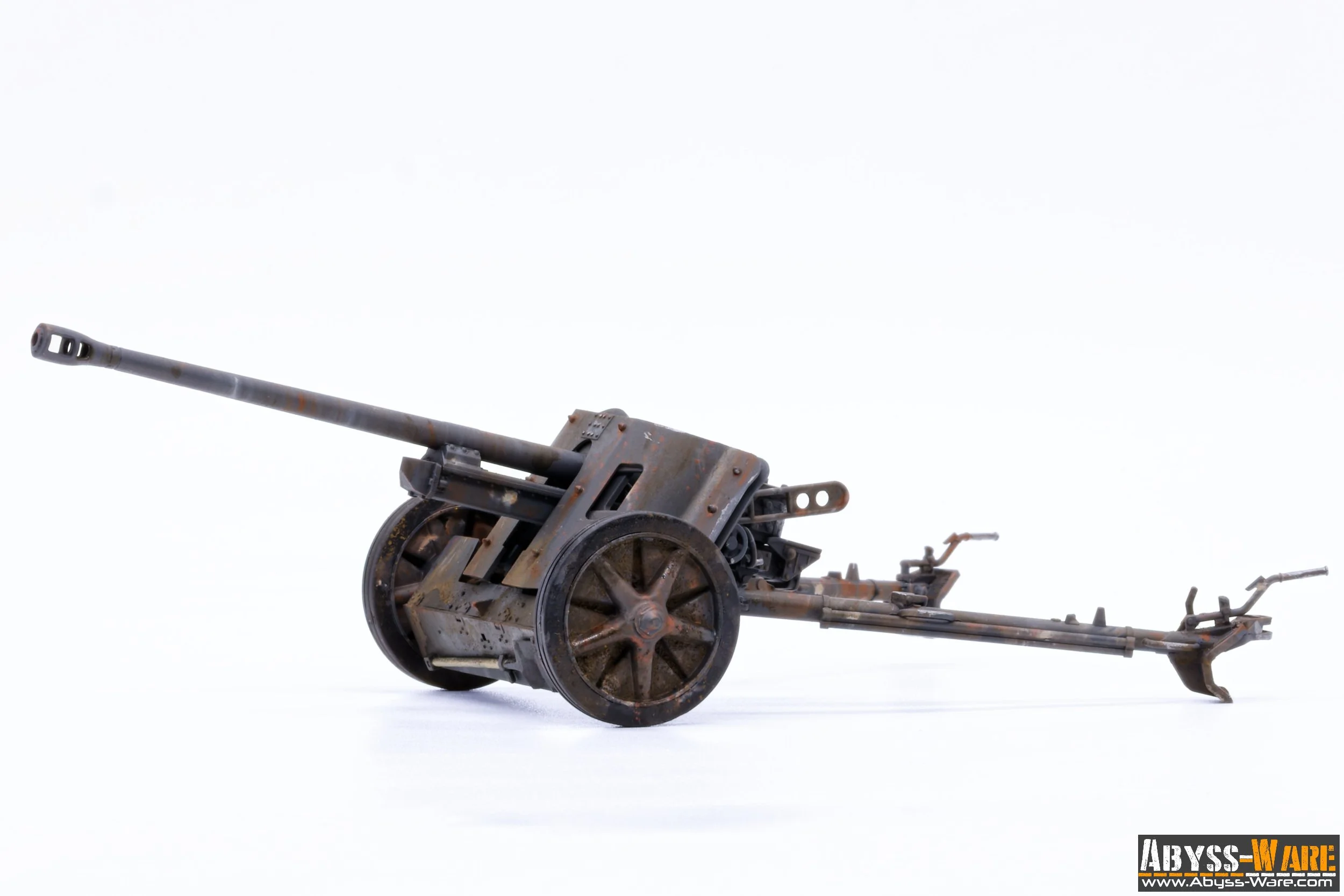
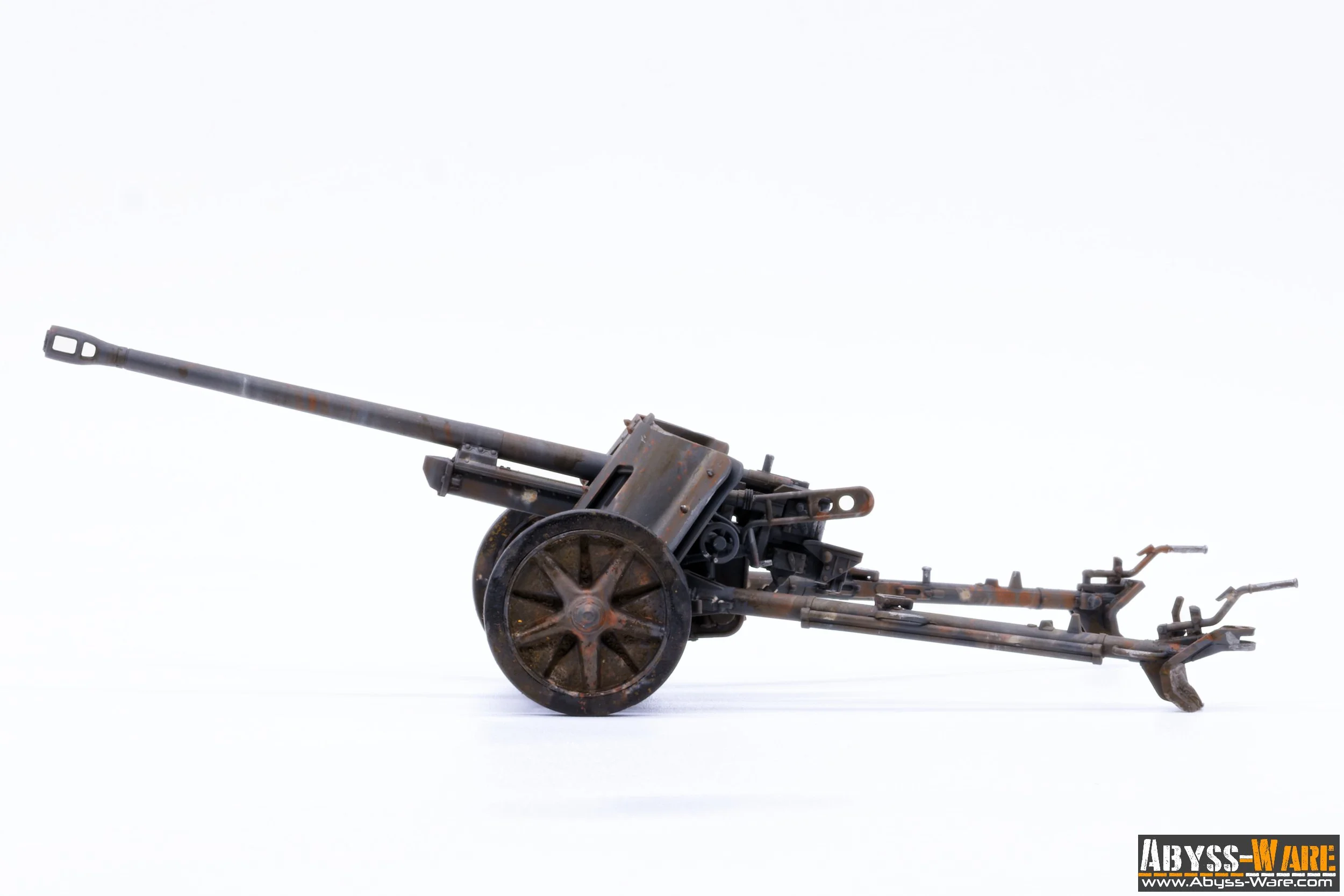
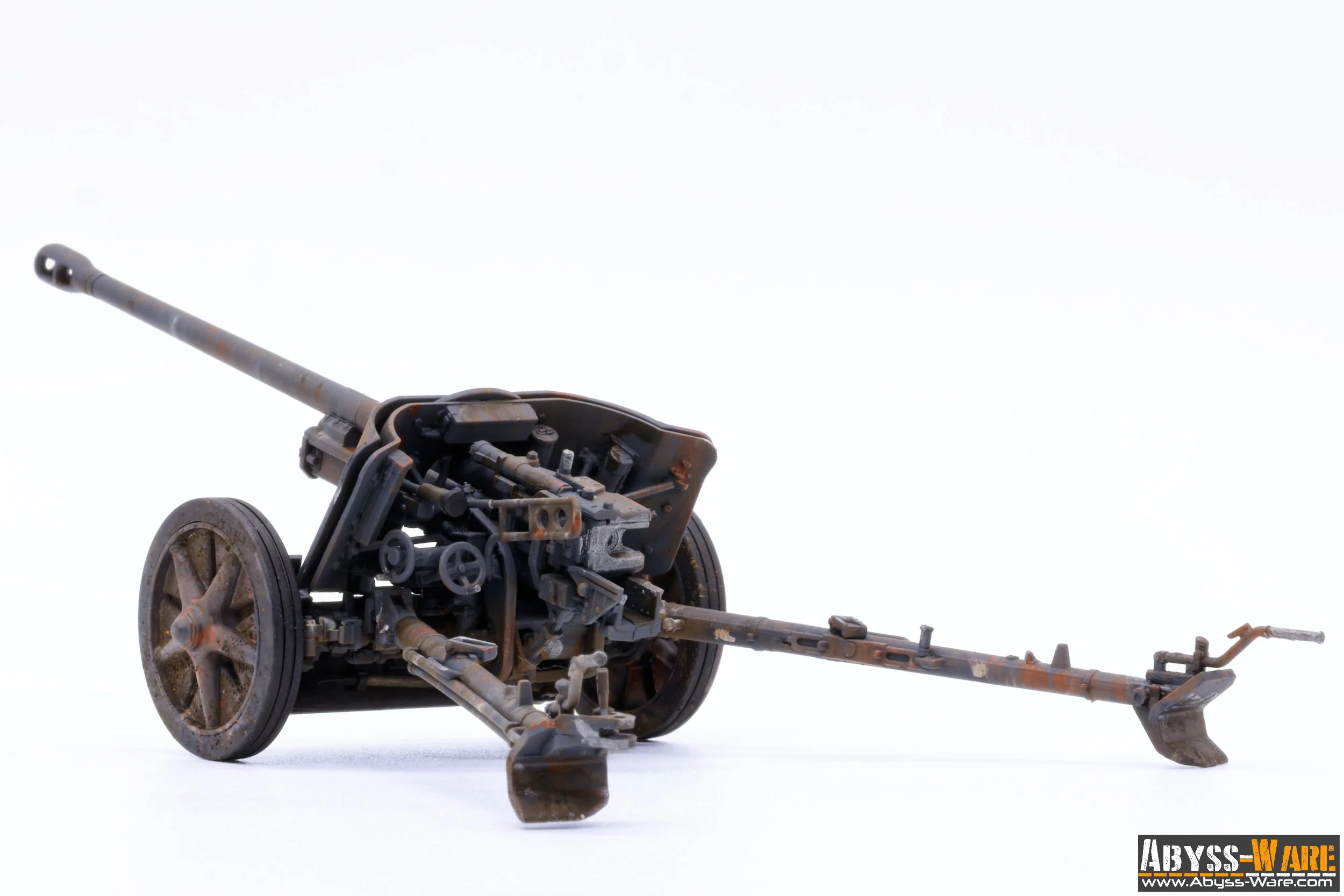
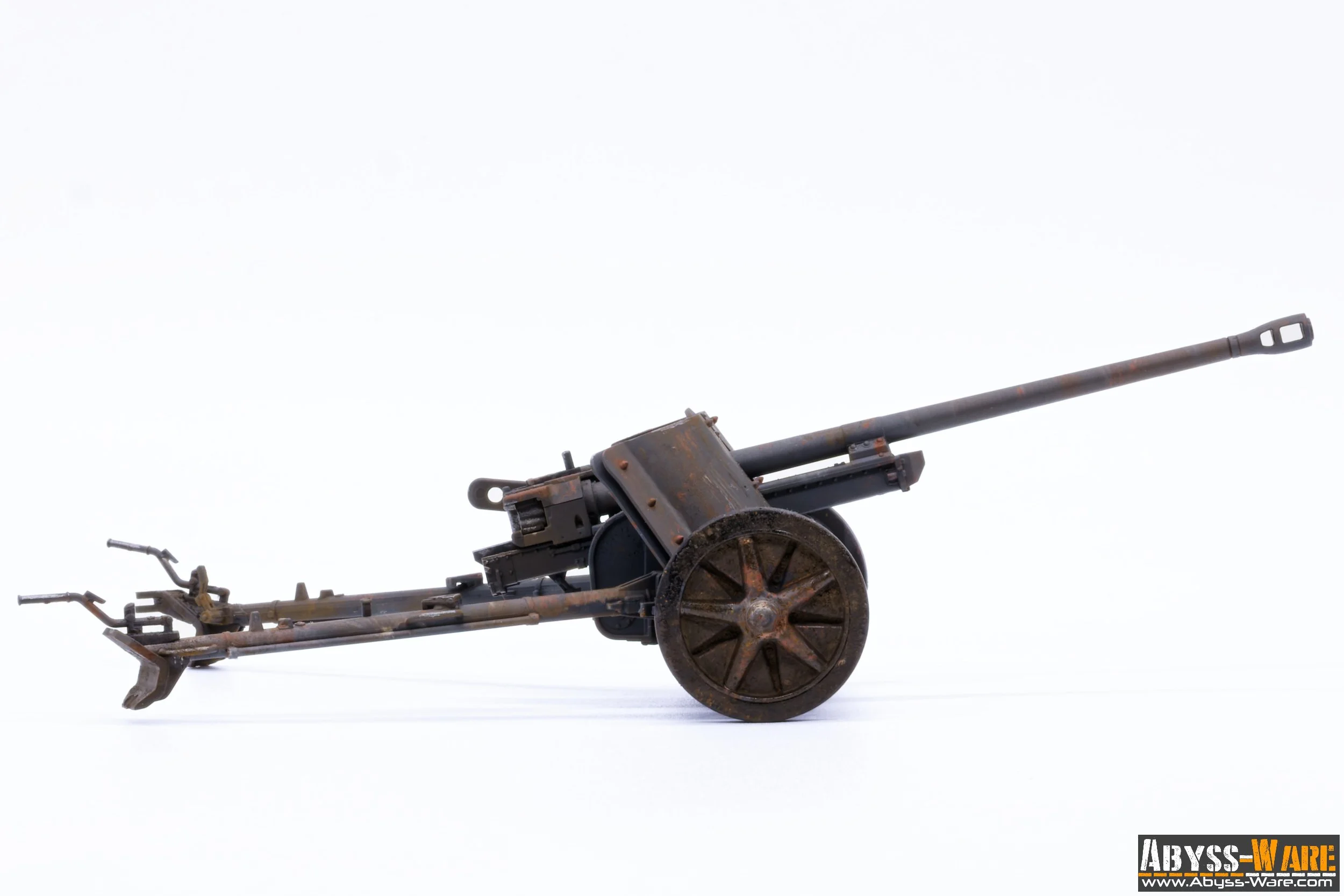
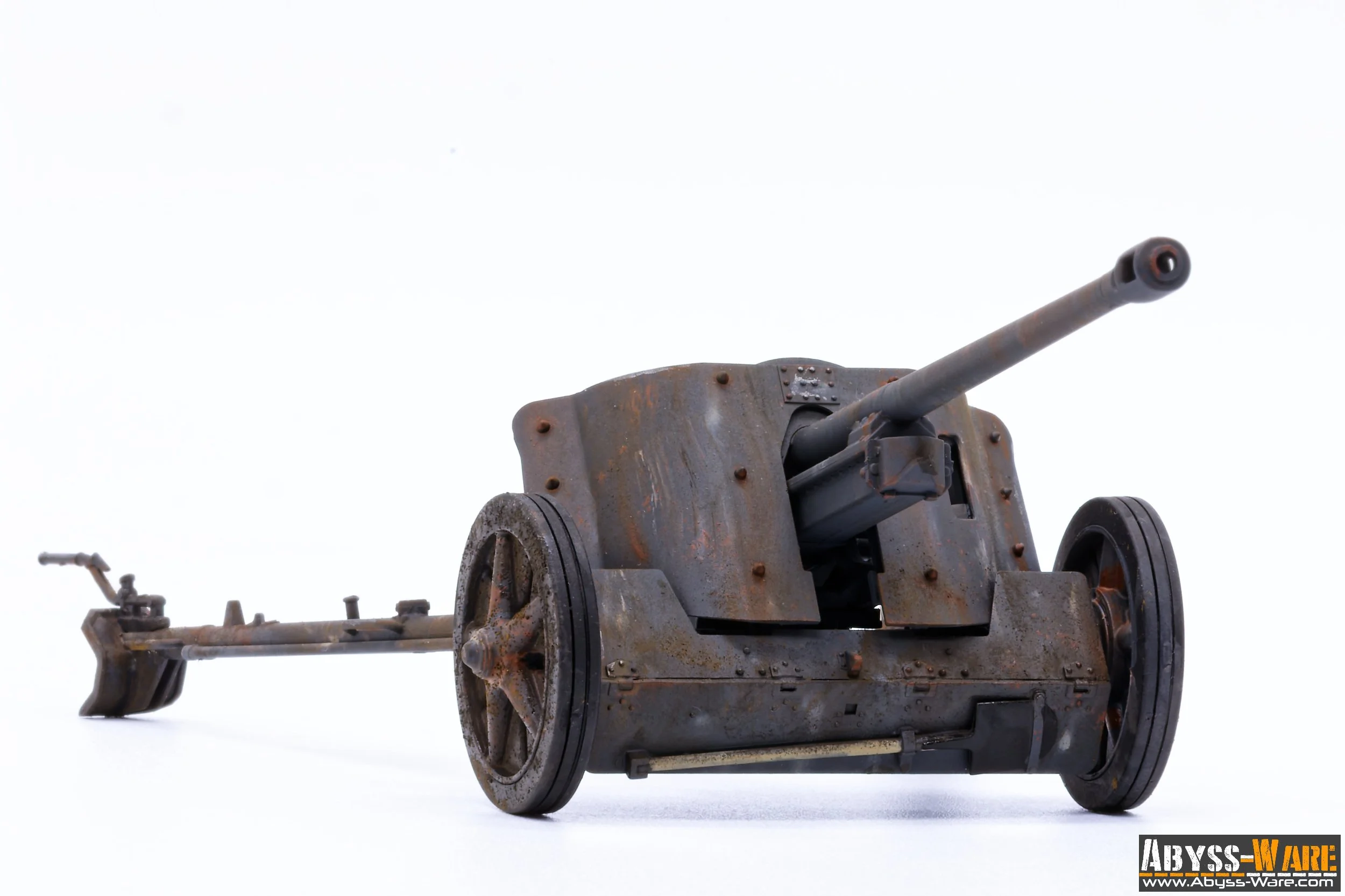
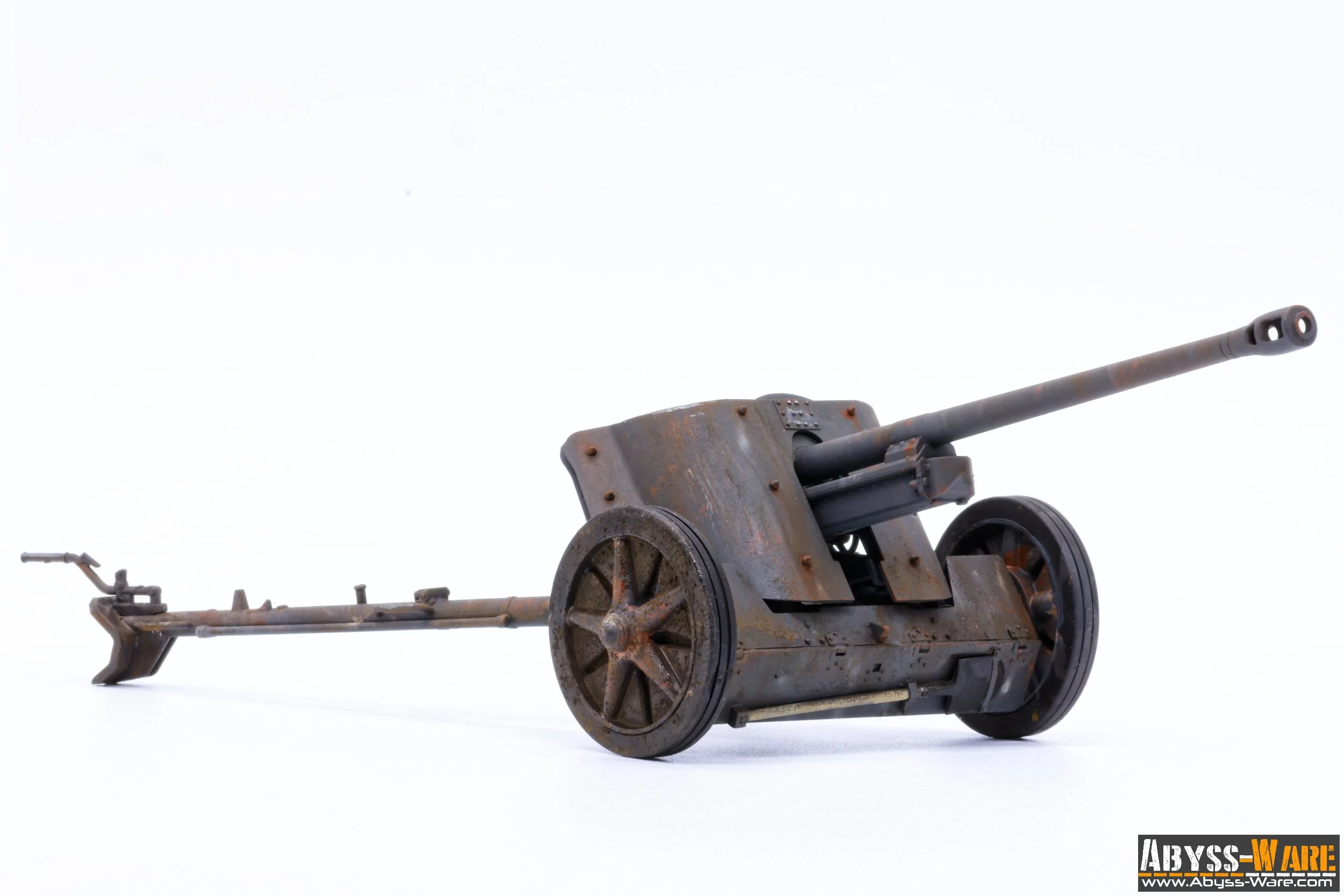
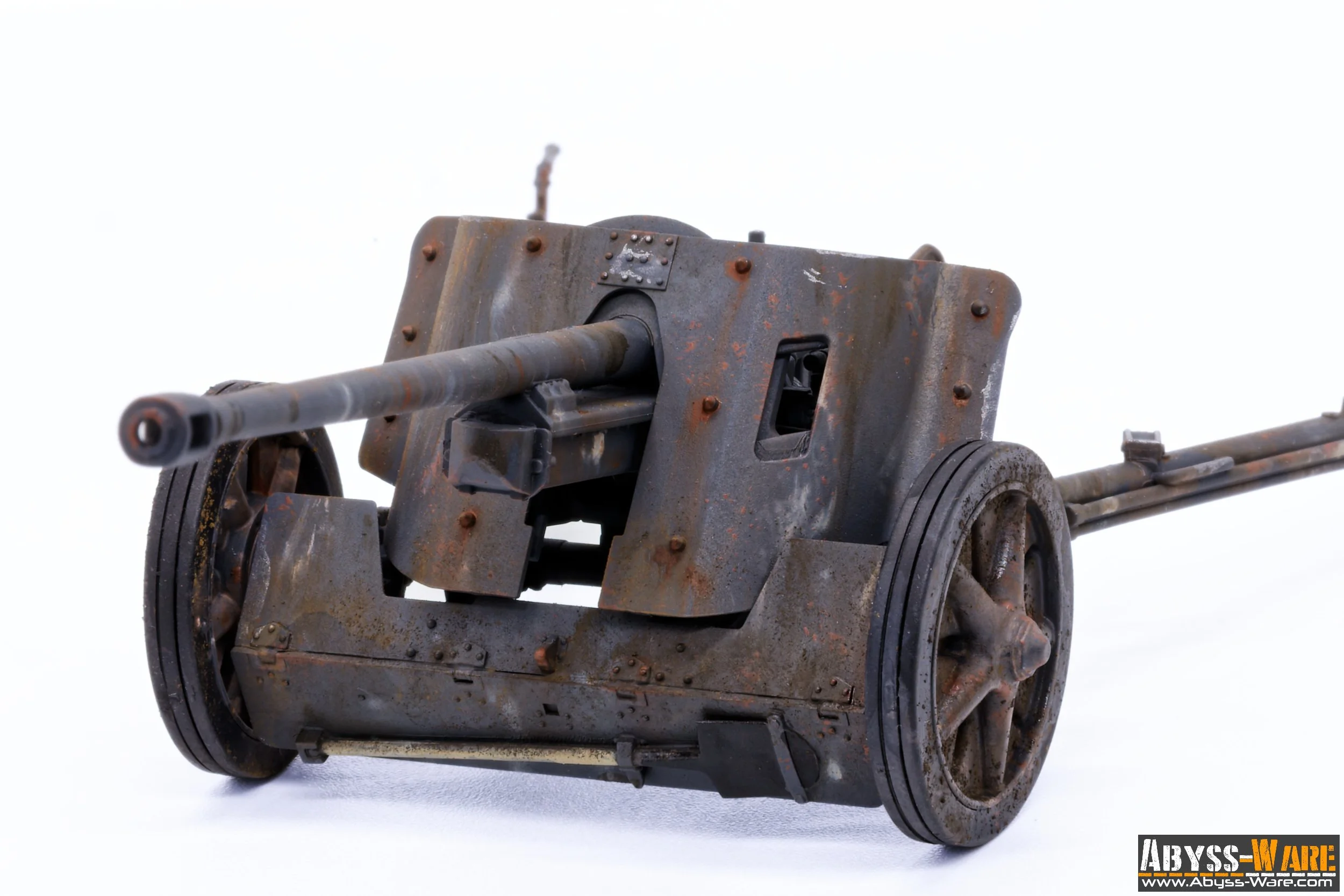
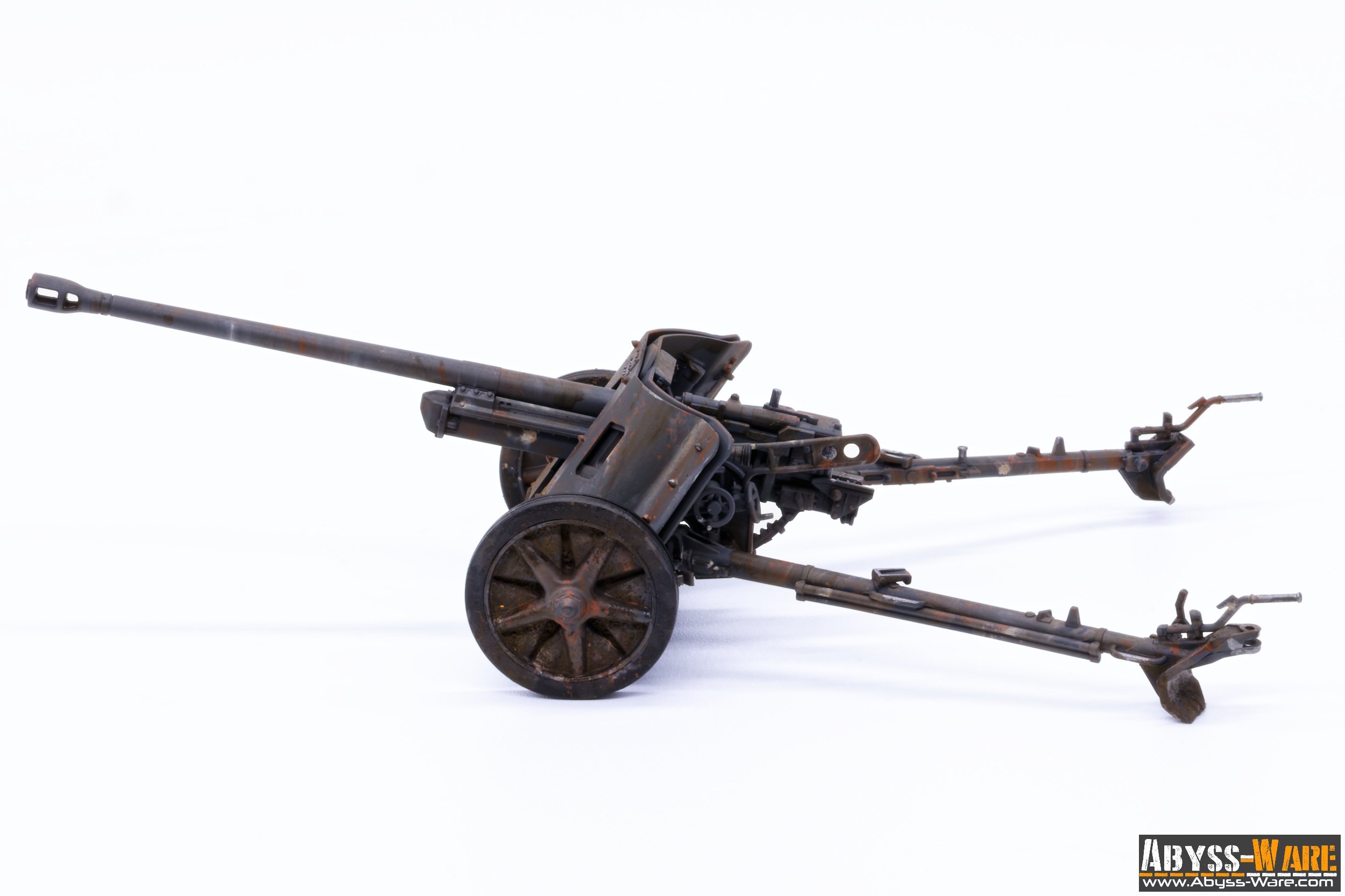
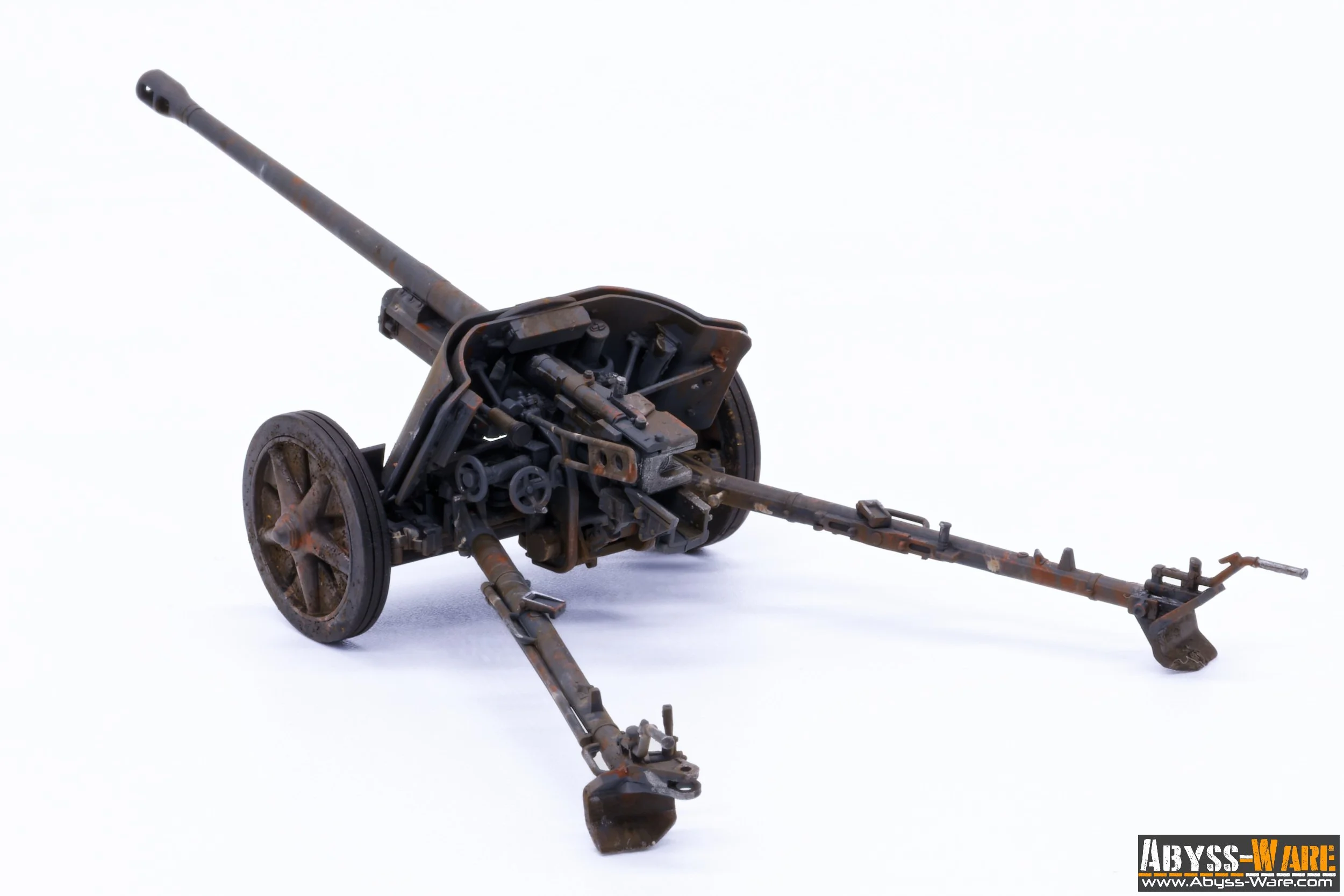
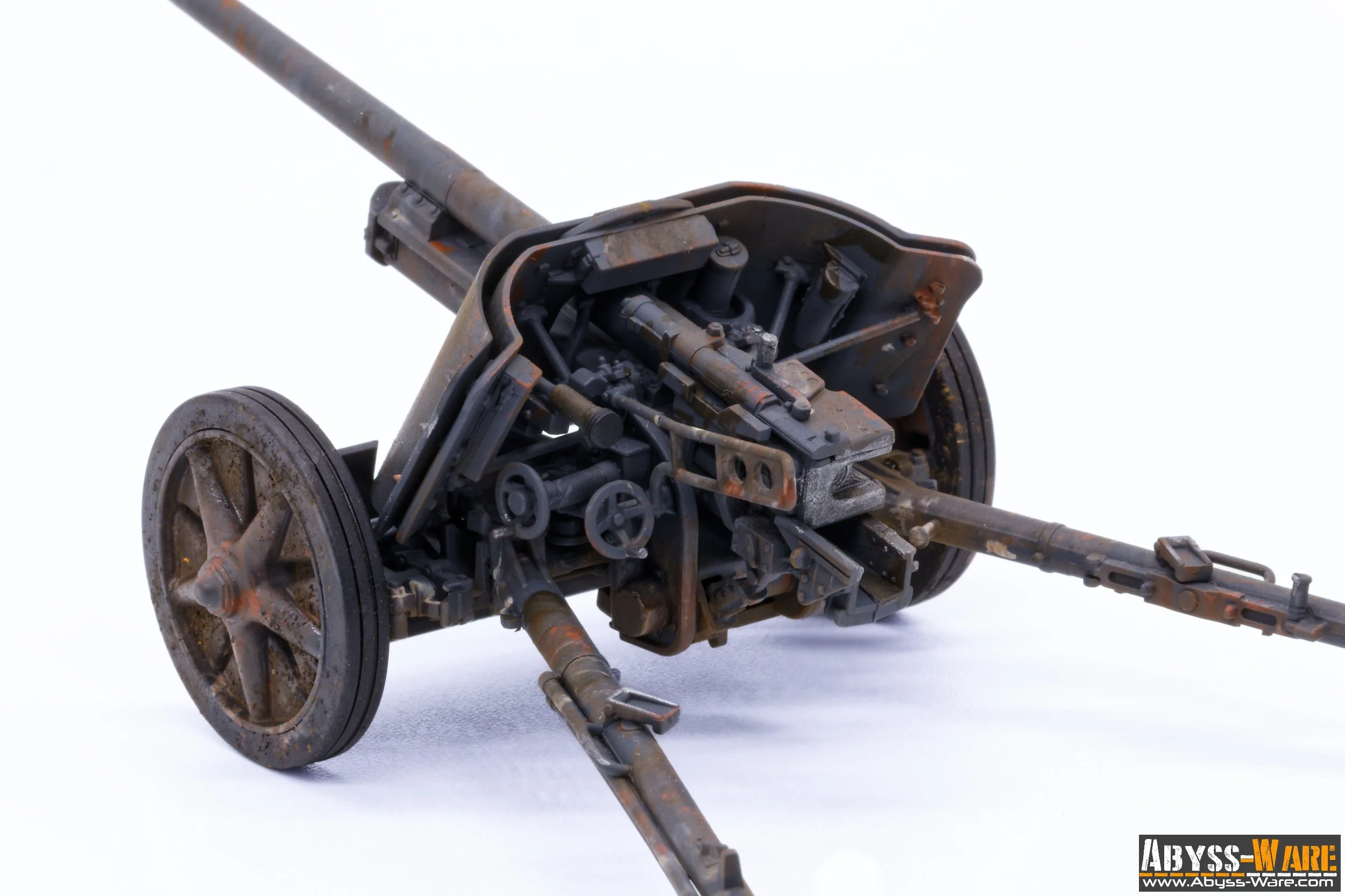
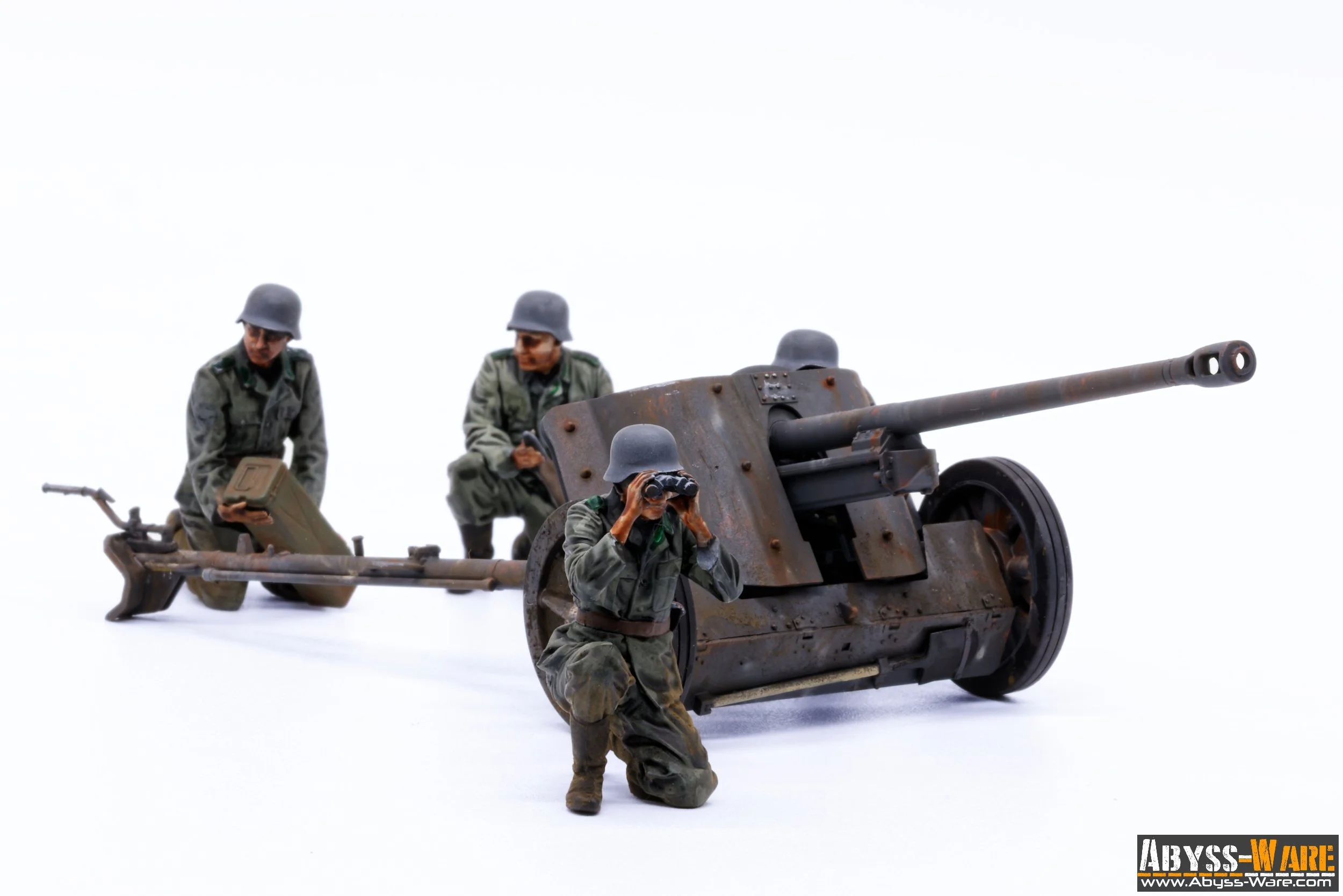
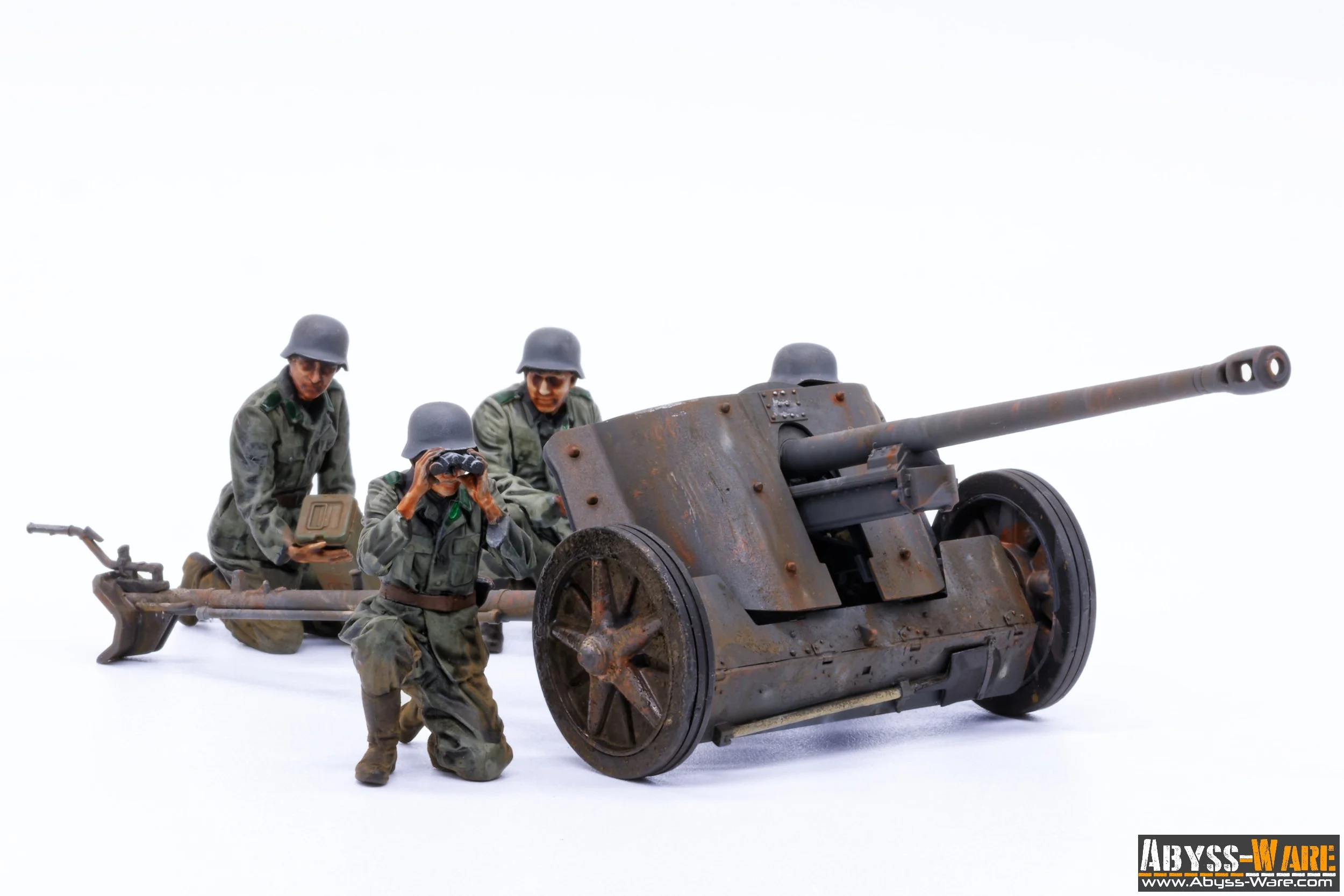
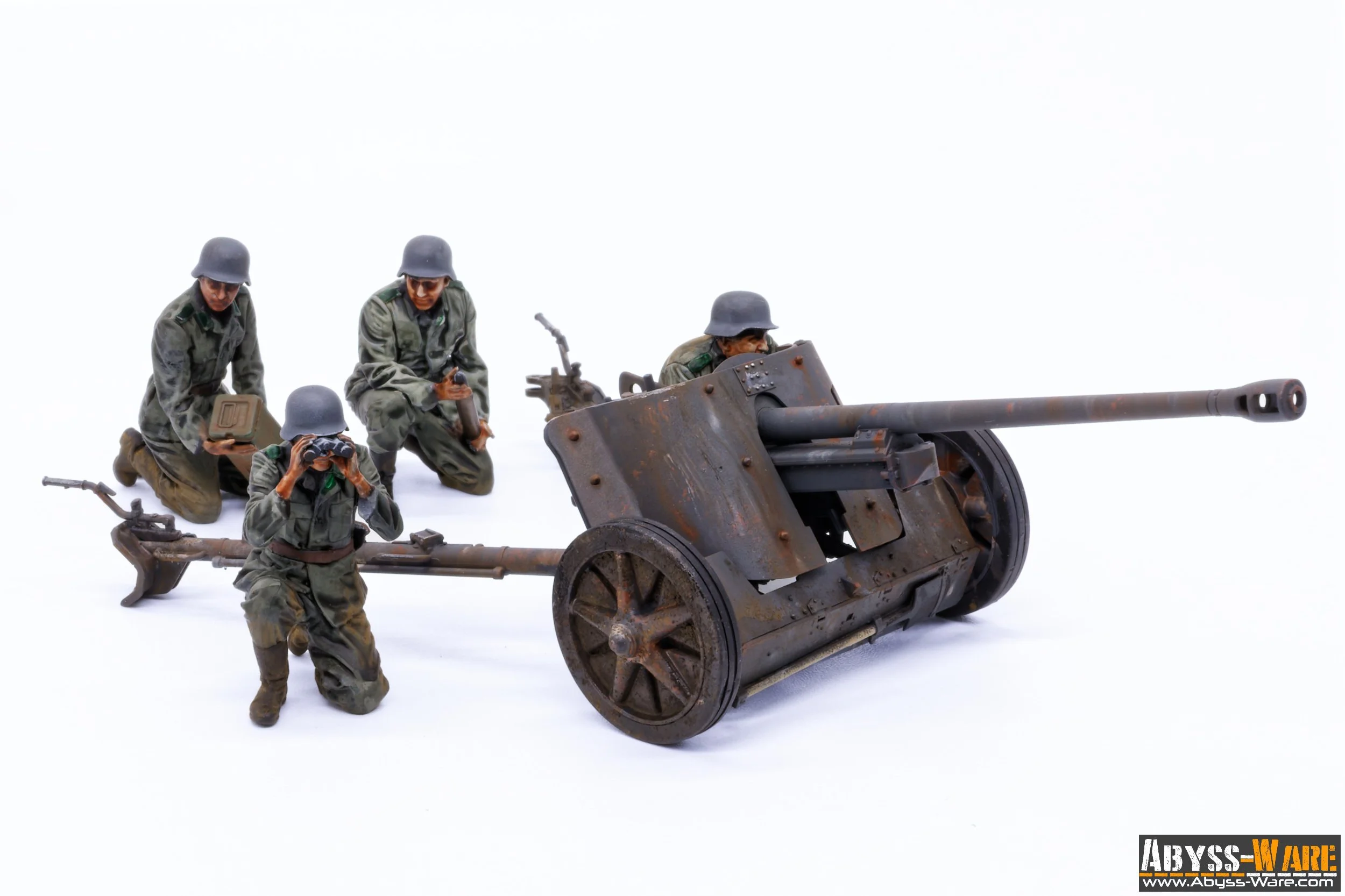
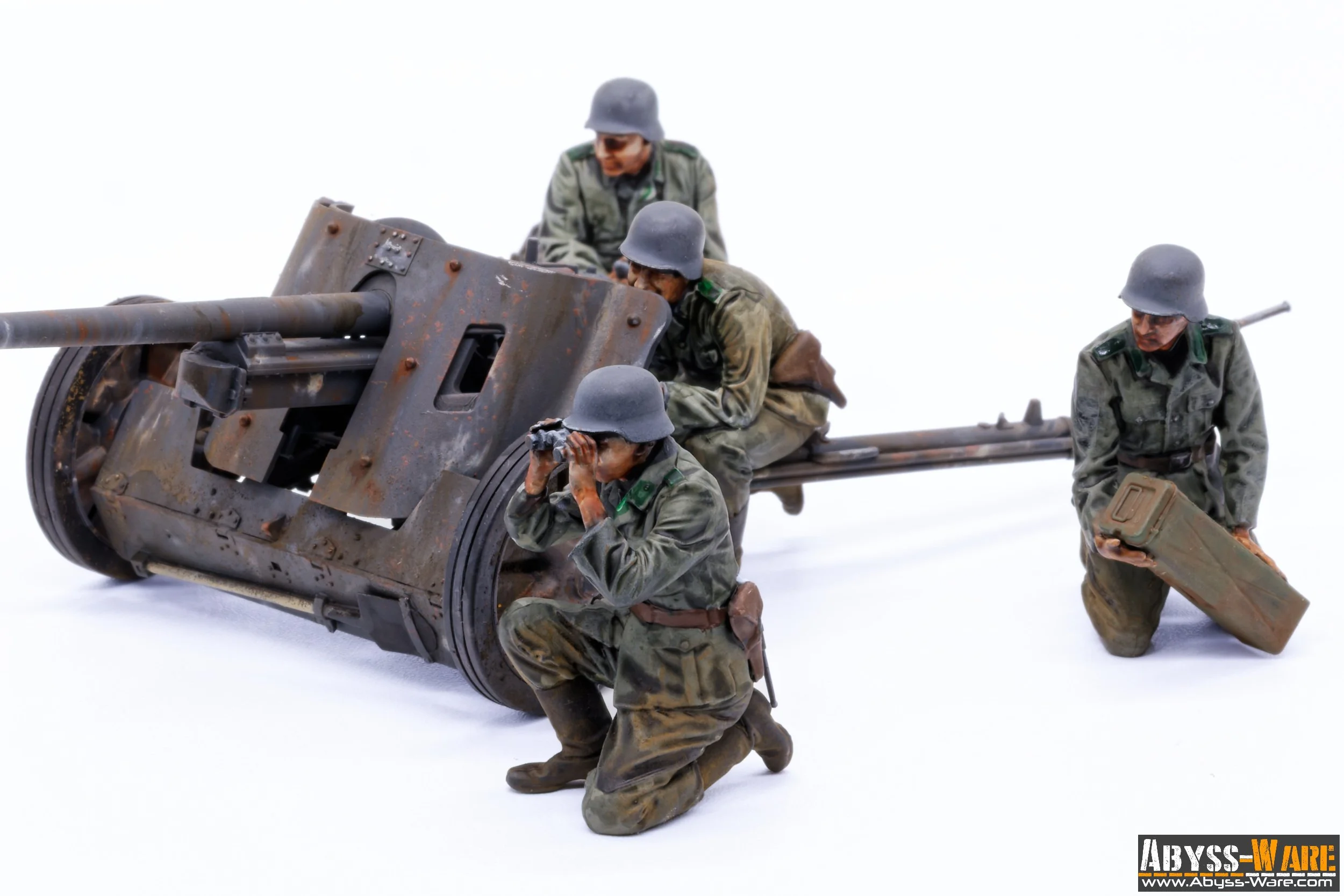
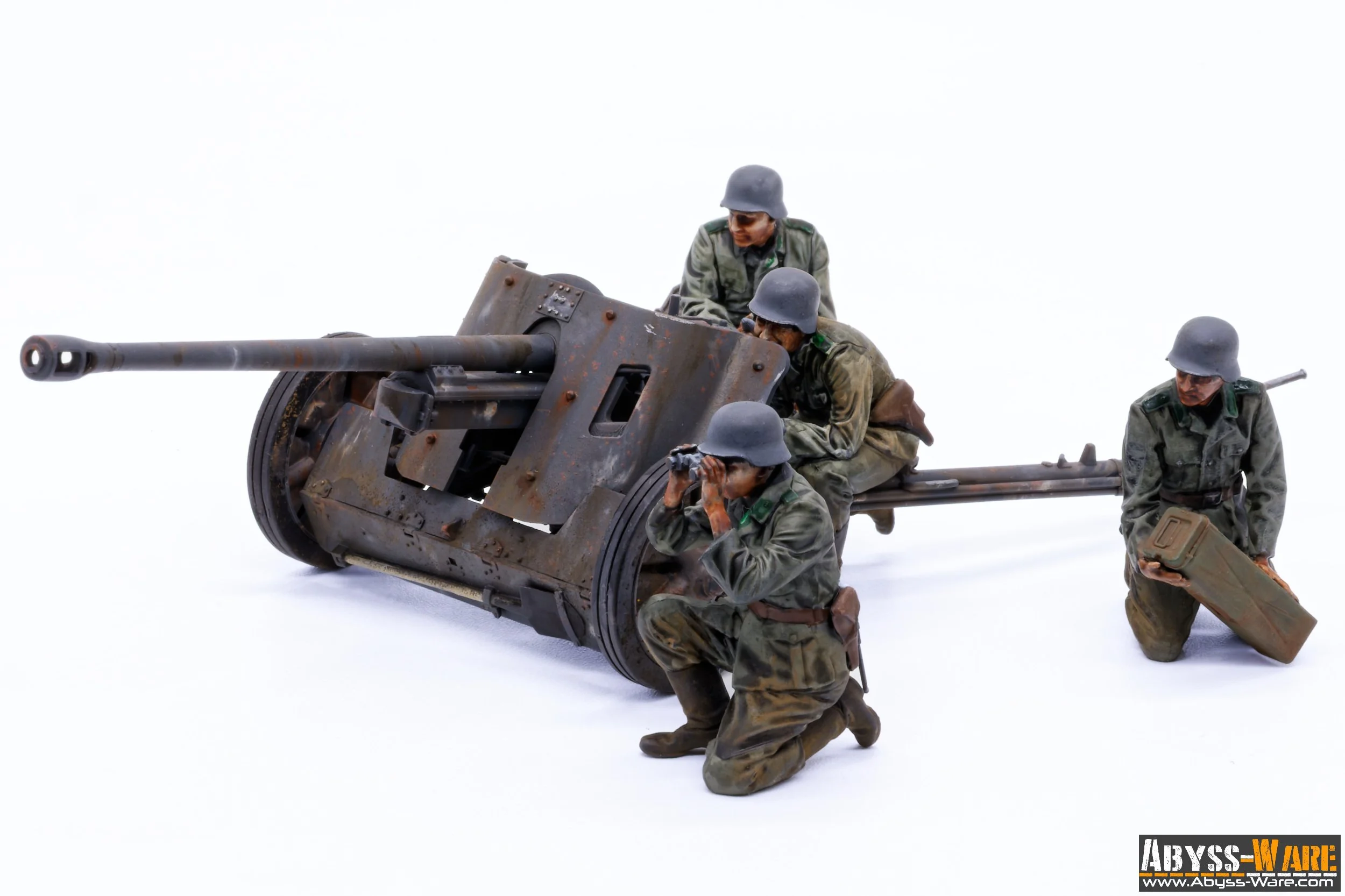
Note: The images presented bellow feature photographs of actual scale models, enhanced with AI-generated backgrounds and environments for visual effect. These visuals are intended for illustrative and artistic purposes only and should not be interpreted as real photographs or historical references.